Asparagus Shelf Life in the Refrigerator: A Practical Guide
Discover exactly how long asparagus lasts in the refrigerator, plus storage tips, signs of spoilage, and methods to extend freshness without waste.


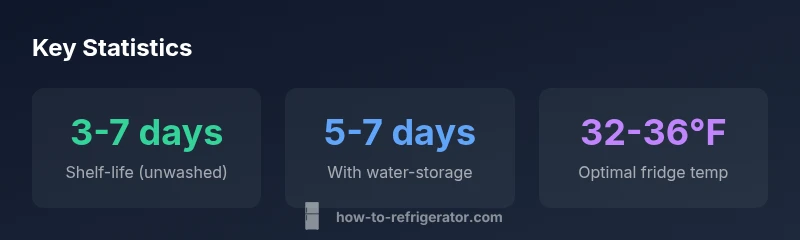
In a typical home refrigerator, fresh asparagus lasts about 3 to 7 days when stored properly. For best quality, trim the ends, keep them upright in a jar with an inch of water, and cover loosely to preserve moisture and prevent dehydration. Avoid washing until just before use to prevent spoilage.
Why asparagus longevity matters for home cooks
As a highly perishable vegetable, asparagus demands careful handling to maintain flavor and texture. According to How To Refrigerator, the speed of spoilage depends on freshness at harvest, how you store it, and how soon you refrigerate after purchase. If you're asking how long does asparagus last in the refrigerator, the answer is typically 3 to 7 days when stored properly. In homes where asparagus is promptly refrigerated and minimally handled, you can count on this usable window. The rest of this guide dives into practical storage strategies that maximize crispness without risking safety. We'll explore how different methods affect shelf life, and how small changes can buy you extra days before waste becomes a concern.
How storage methods affect shelf life
Effective storage is the biggest determinant of asparagus longevity. Keeping spears upright in a jar with a small amount of water, much like cut flowers, helps maintain hydration and prevents wilting. Wrapping loosely in a damp paper towel inside a perforated bag also works well to balance humidity. Do not wash until you plan to use; washing adds moisture that can promote bacterial growth if the vegetables are not dried. If you must refrigerate already washed spears, ensure they are thoroughly dried and stored in a sealed container with a paper towel to absorb excess moisture. These methods can push the usable window closer to the upper end of the 3–7 day range, especially when combined with dry storage practices and cold temperatures.
Temperature and humidity: Environment basics
Refrigeration temperature is a major lever on produce lifespan. The ideal range for asparagus is near the top of typical fridge temperatures: roughly 32–36°F (0–2°C). Store spears in the crisper drawer or in the main compartment away from the coldest spots to avoid freeze damage. Humidity matters too: high humidity reduces moisture loss, but excessive dampness invites rot. A simple in-drawer solution is to place asparagus in a tall glass of water with the stems trimmed and covered loosely with a plastic bag. This setup helps maintain turgidity without saturating the spears.
Practical storage steps you can implement today
To maximize shelf life, start with fresh asparagus from the store: look for bright green stalks, tight tips, and a firm snap. Immediately trim about 1 inch (2.5 cm) off the ends before storing. Stand the spears upright in a jar or glass with about an inch of water, then cover loosely with a plastic bag or breathable wrap. Do not wash until you plan to cook; when you do wash, dry thoroughly and refrigerate in a moisture-controlled container. For longer-term storage, you can blanch and freeze asparagus: blanch 2–3 minutes, cool rapidly, drain, dry, and freeze in airtight containers. This routine preserves flavor for several months, far beyond the typical 3–7 day window.
Signs of spoilage and food safety reminders
Despite careful storage, asparagus will eventually degrade. Look for woody, dry stalks; pale, mushy spears; or a strong sour or rotten odor. If you notice slime on tips or a false aroma, discard immediately. Always wash only before use, and keep the refrigerator at a safe temperature. If asparagus looks cloudy or discolored at the base, err on the side of caution and avoid consumption. When in doubt, rely on your senses and trust tested storage guidelines from How To Refrigerator.
Common scenarios and troubleshooting
If you bought a bunch that will take a few days to cook, prioritize quick storage: recut the ends, store upright in water, and keep away from ethylene-producing fruits. If you notice overnight moisture buildup in the storage container, transfer to a dry bag or wrap with a paper towel to reduce condensation. For households with variable fridge temperatures, test and adjust the crisper setting or rearrange shelves to prevent the coldest spots from freezing the spears. By applying these practical heuristics, you can extend the asparagus’s usable life toward the upper portion of the 3–7 day range.
Storage methods and shelf-life for asparagus in a refrigerator or freezer
| Storage Method | Shelf-Life (days) | Notes |
|---|---|---|
| Unwashed, upright in water | 5-7 | Maintains hydration; best balance |
| Unwashed, loose in crisper bag | 3-7 | Keeps moisture but risk of condensation |
| Washed and stored (drained) | 1-3 | Wash before use; dry thoroughly |
| Blanched & frozen | 8-12 months | Long-term storage; quality preserved |
FAQ
How long does asparagus last in the refrigerator?
Typically 3–7 days when stored properly in the refrigerator. Avoid washing until use to prevent moisture buildup.
Asparagus usually lasts about three to seven days in the fridge if you store it right.
Should I wash asparagus before storing it?
No. Wash only before cooking. Dry thoroughly and store unwashed to maximize shelf life.
Don't wash before storing; wash when you're ready to cook.
Can I freeze asparagus to extend shelf life?
Yes. Blanch spears for 2–3 minutes, cool, drain, dry, and freeze in airtight containers.
Yes, you can freeze asparagus by blanching first.
Does trimming the ends help asparagus stay fresh?
Trimming about 1 inch helps with water uptake and keeps spears firm.
Yes, trimming helps and keeps it fresher.
What are signs asparagus has gone bad?
Woody stalks, soft tips, off smell, or slimy texture indicate spoilage; discard.
Look for hard, dry stalks or a sour smell.
Is asparagus affected by ethylene or other fruits nearby?
Asparagus is not a heavy ethylene producer, but store away from strong ethylene sources to slow spoilage.
Keep asparagus away from other ethylene-producing produce.
“Proper storage can extend asparagus life without compromising safety, but freshness still hinges on harvest quality.”
Top Takeaways
- Store asparagus upright in water for best hydration.
- Do not wash until just before cooking.
- Keep fridge at 32–36°F to maximize freshness.
- Expect 3–7 days of fridge storage under proper conditions.
- Blanch and freeze for longer-term storage (months).