How to Choose and Use a Dorm Fridge with Freezer
Learn how to pick, place, and maintain a dorm fridge with freezer. Space planning, energy tips, safety steps, and a step-by-step setup for students living in limited dorm environments.


Goal: choose and set up a dorm fridge with freezer that fits your dorm space, power limits, and budget. You’ll learn how to measure space, compare models by size and energy use, evaluate freezer capacity, and complete a safe installation. This guide also covers noise, door swing, and basic maintenance for reliable everyday use.
Why a dorm fridge with freezer matters in student housing
For students sharing dorms, a compact fridge with a freezer is often the only reliable way to store snacks, perishables, and small meals without visiting a communal kitchen. A well-chosen dorm fridge with freezer saves trips to grocery stores and helps manage a tight budget by reducing waste. It also minimizes electric load compared with larger models, which matters in rooms with limited outlets and strict power rules. According to How To Refrigerator, choosing a dorm fridge with freezer that fits small spaces is essential for campus life. When you start, prioritize fit, organization, and safety to keep food fresh and reduce trips to the vending machine.
Key considerations when choosing a dorm fridge with freezer
When evaluating models, start with footprint, internal layout, freezer capacity, door swing, noise, and energy use. In dorms, you’ll want a unit that fits the available counter or cabinet space with a door that opens without blocking the doorway. Check the frost-free feature to minimize maintenance, and ensure the freezer compartment has enough shelf space for frozen meals and ice packs. Pay attention to energy labels (like Energy Star) and the expected annual cost, though exact numbers vary by model and local electricity rates. Also consider compatibility with shared outlets and surge protection. A quiet model with a compact footprint is ideal for shared rooms and study areas. Finally, confirm the warranty terms and service options in case of a quick repair needs.
Sizing and space planning for a dorm room
Dorm room sizes vary, but most students fit a compact unit under a desk or on a dresser. Start by measuring the available width, depth, and height, then compare to the fridge’s external dimensions including door swing clearance. Remember to leave at least a few inches of ventilation around the back and sides. Use a tape measure and a level to ensure the fridge sits evenly; an uneven unit can vibrate and produce more noise. Create a simple floor plan on paper or with a room layout app to visualize placement next to a power outlet and away from heat sources. If you share power strips, ensure your setup respects safety rules and nearby outlets. Finally, account for the extra space needed to load groceries and allow air to circulate when the door is open.
Energy efficiency and operating costs for dorm fridges
Energy efficiency is especially important in dorms where budgets are tight and space is limited. Look for compact fridges with frost-free cooling, adjustable shelves, and a well-insulated door. An Energy Star label is a helpful guide, but always compare the model’s claimed annual energy use and estimated run time. How To Refrigerator Analysis, 2026 notes that energy-efficient models can reduce power use in tight dorm environments, which translates into lower monthly electricity bills and less heat output in a small room. Remember that a freezer compartment that runs efficiently also minimizes frost buildup and preserves foods longer.
Safety basics and dorm-specific setup
Safety first: choose a model with a stable footing, avoid placing it on carpeting, and use a dedicated outlet or a protected strip. Keep vents clear, plug in the fridge away from direct sunlight or heat sources, and do not run cords under rugs. Never place the fridge in a dorm closet that is sealed or lacks ventilation. Make sure the door swing doesn’t interfere with a desk chair or door. Use a surge protector and avoid daisy-chaining outlets.
Step-by-step setup: unboxing, placement, and initial test
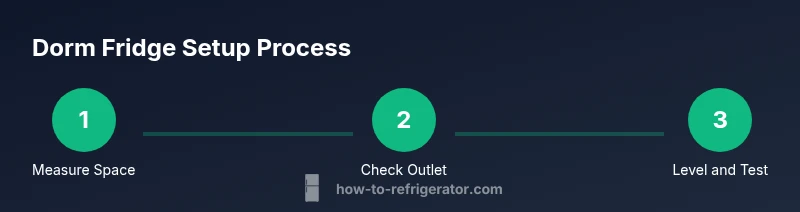
This section provides a practical sequence to set up a dorm fridge with freezer from unboxing to first cooling test. Start by inspecting the packaging, removing any protective materials, and confirming there’s no visible damage. Then, position the unit in the planned space, ensuring level contact with the floor and clearance for vents. Finally, plug in and run a quick test to verify cooling begins within a reasonable timeframe and that the door seals properly. If the fridge arrived on its side, allow it to stand upright for 2-4 hours before plugging in to avoid compressor damage.
Food safety and organization inside a dorm fridge with freezer
Keep dairy, meats, and perishables neatly organized on shelves and in bins. Use clear containers to maximize visibility and reduce food waste. Label leftovers with dates and practice strict cross-contamination precautions when storing raw proteins. A loader-friendly setup helps you quickly grab what you need during study breaks and late-night meals.
Common mistakes to avoid with dorm fridges
Avoid underestimating space needs, overloading shelves, or blocking vents with containers. Do not run a dorm fridge with a damaged door gasket or if the unit trips breakers frequently. Avoid placing hot foods directly into the fridge—cool them to room temperature first to prevent temperature spikes. Finally, don’t ignore defrosting needs if frost builds up—frost-free models reduce this work but still require occasional checks.
Semester end checklist and moving out tips
Before finals, plan a simple inventory and expiration check to minimize waste. Empty the fridge, unplug, and clean shelves with mild soap. If you’re moving rooms, pack the unit securely and transport it upright. Check campus move-out guidelines for appliance disposal or return programs.
Tools & Materials
- Measuring tape(to verify space against fridge width and depth)
- Pencil and masking tape(mark placement and footprint on the floor)
- Level(ensure even contact with floor for quiet operation)
- Surge-protected outlet strip(avoid daisy-chaining; use a dedicated outlet if possible)
- Damp cloth and mild soap(for initial wipe-down and post-move clean)
- Flashlight or headlamp(useful when checking behind and under the unit)
Steps
Estimated time: Total time: 60-90 minutes
- 1
Measure and plan space
Measure width, depth, and height of the intended spot, plus door swing clearance. Compare to the fridge’s external dimensions and account for airflow behind and around the unit.
Tip: Mark the footprint with painter's tape to visualize the footprint before moving furniture. - 2
Check outlets and cords
Identify a dedicated, accessible outlet. Ensure the cord length is sufficient and won’t trap the unit against a wall. Avoid using damaged cords.
Tip: If you must use a power strip, choose a surge-protected one and avoid exceeding its rated load. - 3
Choose door swing orientation
Confirm the fridge door clears nearby furniture when opened. If possible, select a model with reversible doors for flexible placement.
Tip: Rotate the fridge 90 degrees if needed so the hinge side doesn’t hit nearby items when opened. - 4
Unbox and inspect
Carefully remove packaging and inspect for dents, cracked shelves, or missing accessories. Report any damage to the seller before plugging in.
Tip: Keep packaging until the first test run is complete if you suspect transport damage. - 5
Position and level the unit
Place the fridge on a stable, level surface. Adjust feet or shims to minimize rocking and reduce noise.
Tip: Check for wobble by pressing on the top corners; re-level if you feel movement. - 6
Plug in and run a test
Plug the unit into the surge-protected outlet and listen for normal compressor cycles. Allow it to stabilize for a few hours before loading food.
Tip: Do not rush to load; give it time to reach target temperatures. - 7
Set temperatures and organize
Set fridge to a cool but safe temperature and a separate, slightly colder setting for the freezer. Organize items by type and use the middle shelves for daily staples.
Tip: Keep ready-to-eat items in the front for easy access; store raw items in sealed bins. - 8
Test daily use and safety
Monitor for unusual noises, frost buildup, or door leaks. Clean shelves periodically and check seals monthly.
Tip: If you notice frost buildup, reduce door openings and verify the door seals.
FAQ
Can a dorm fridge have a freezer?
Yes, many compact dorm fridges include a small freezer compartment. Check the model’s dimensions and energy use to ensure it fits your space and budget.
Yes, most dorm fridges include a small freezer; check size and energy use.
What should I look for besides size?
Look for frost-free cooling, adjustable shelves, a reliable door seal, and a reasonable energy rating. Noise level matters in quiet dorms, so choose a model noted for quiet operation.
Look for frost-free cooling, adjustable shelves, and a quiet operation.
Is it better to have a freezer or freezerless option?
A freezer helps store frozen meals and ice packs; a dedicated freezer space can reduce food waste. If you rarely use frozen items, a smaller fridge without freezer may save space and energy.
A freezer helps store frozen items; if you rarely use frozen food, you might opt for a smaller unit without freezer.
Can I put a dorm fridge in a closet?
Ventilation is crucial. A dorm fridge should have air flow around it and not be enclosed in a sealed closet. If you must place it in a closet, ensure gaps for air and leave the door open periodically.
Avoid tight closets; ensure ventilation and occasional door opening for air.
How do I know if the energy use is reasonable?
Compare the Energy Star label and the model’s estimated annual consumption. Remember, actual use depends on local electricity rates and how often you open the door.
Check the Energy Star label and estimate annual consumption to gauge efficiency.
What maintenance does a dorm fridge require?
Keep shelves clean, check seals monthly, and avoid overfilling. Frost-free models still need occasional checks for frost buildup and door alignment.
Keep it clean, check seals, and avoid overfilling to maintain efficiency.
How long should I keep a dorm fridge?
Most dorm fridges last several years with proper care, but performance varies with usage, temperature settings, and maintenance.
With proper care, a dorm fridge lasts several years.
Watch Video
Top Takeaways
- Choose a compact dorm fridge with freezer that fits your space
- Prioritize energy efficiency and quiet operation
- Place and level the fridge for best performance
- Organize contents for quick access and safe storage
- Plan end-of-term checks to minimize waste and energy use