Buy Refrigerator Online: A Step-by-Step Homeowner's Guide
Learn how to buy a refrigerator online with confidence. This guide covers measurements, space planning, energy efficiency, delivery, installation, warranties, and safe checkout practices for homeowners.


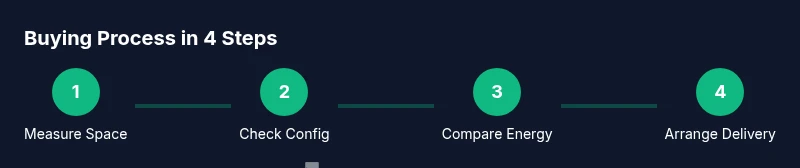
To buy a refrigerator online, identify your space, power needs, and budget, then compare models, check delivery options, and read warranty terms before checkout. Key requirements include measuring the space, knowing electrical standards, and confirming installation services. Look for energy-efficient features, DOE/ENERGY STAR compliance, and reliable retailer return policies. Keep a measurement checklist handy as you shop to avoid costly mistakes.
Start with clarity: define space, needs, and budget
Before you start shopping, set a clear plan for what you want to achieve by buying a refrigerator online. Determine the exact footprint you can accommodate, number of occupants, and typical grocery load to estimate capacity. Establish a price range and decide which features matter most (energy efficiency, door configuration, smart features). According to How To Refrigerator, a structured approach reduces impulse buys and post-purchase regret, especially when purchasing large appliances online. Keep this plan visible during research and revisit it if you find yourself overwhelmed by options. This frame will guide you through space constraints, energy requirements, and delivery logistics without sacrificing performance for price.
- Remember to check your space: height, width, depth, and clearance for doors and ventilation.
- Write down measurements and model requirements in a dedicated checklist for quick reference while browsing.
Measure space, doors, and installation clearance
Successful online fridge shopping starts with precise measurements. Measure from the floor to the ceiling in the intended location, then assess width, depth, and door swing. Don’t forget to account for protrusions like baseboards, countertops, and adjacent appliances. A common pitfall is choosing a model that fits on paper but cannot be maneuvered through doors or hallways during delivery. Use painter’s tape to map the footprint and door swing on the floor to visualize clearance. If the space is tight, consider a slim or counter-depth model and verify if the retailer offers in-home delivery and installation. A small miscalculation can mean a return shipping headache and delayed setup, so invest time in precise planning.
- Pro tip: create a simple sketch with dimensions and annotates for reference.
Define size, configuration, and layout requirements
Refrigerator configurations come in various layouts: top-freezer, bottom-freezer, side-by-side, French-door, and compact under-counter options. Based on your space and kitchen workflow, prioritize the most convenient layout for your cooking routine. Capacity is not just liters or cubic feet; consider shelf height, bin space for tall items, and perimeter space for airflow. If you frequently host or shop for large groceries, a wider-door model with flexible shelving can be worth the extra cost. Be mindful of interior lighting, humidity controls, and door shelves that affect daily use. When online, confirm exact interior dimensions and compare them to your storage needs.
- Tip: stock up on tall beverages and large containers to test fit in the recommended configuration.
Energy efficiency and running costs
Energy efficiency is a critical long-term consideration when you buy refrigerator online. Look for the ENERGY STAR label and compare annual energy consumption figures across models. Online listings may show annual kWh usage; use this to estimate running costs over the appliance’s lifetime. Inverter compressors, smart defrost systems, and precise temperature controls can significantly reduce energy use. If you live in a hot climate, energy efficiency often translates into substantial savings on electricity bills. Remember that initial price is only part of the cost—the running costs over 10–15 years matter more. How To Refrigerator analysis shows that shoppers who prioritize energy performance save money long term and reduce environmental impact.
- Compare a few models side-by-side to see how energy usage varies with size and features.
Budgeting, price ranges, and value online
Online prices for refrigerators span a broad spectrum depending on size, configuration, and features. When you buy refrigerator online, look beyond sticker price and factor in delivery, installation, and potential haul-away fees. Some retailers offer bundling discounts or seasonal promotions; others provide financing options. To maximize value, identify models with durable components, good warranty terms, and accessible spare parts. Budget-conscious buyers should compare mid-range models with solid energy efficiency and reliable performance to premium models with advanced tech. Always verify what is included in the price so you aren’t surprised by unexpected charges at checkout.
- Use price trackers and saved searches to spot genuine discounts rather than ephemeral deals.
How to compare models effectively: specs, energy, and reliability
A robust comparison goes beyond flashy photos. Create a model-by-model spec sheet including dimensions, capacity, configuration, shelves, bins, door adjustability, and energy ratings. The DOE/ENERGY STAR website provides authoritative guidance on energy performance, which you should apply when evaluating options online. Check warranty coverage, service accessibility, and whether the retailer offers easy returns and timely repair options. Read customer reviews focusing on real usage and long-term reliability rather than marketing copy. How To Refrigerator recommends building a shortlist of 3–5 models that fit your space and energy goals, then testing them against your daily routines to identify the best overall value.
- Pro tip: download spec sheets from manufacturers for precise interior measurements and feature lists.
Delivery, installation, and haul-away: planning the logistics
Delivery timing and installation availability can make or break an online purchase. Verify delivery windows and ensure the retailer can maneuver the fridge through entryways and stairs if required. Some regions require professional installation; check if the retailer includes or offers this service, plus haul-away of the old unit. Confirm the electrical requirements—many refrigerators need a dedicated 110–120V circuit—and whether a qualified technician is available for hookup. If you’re responsible for installation, prepare the space by clearing pathways, plugging in the unit, and testing the door alignment before signing off. Clear communication with the retailer about delivery dates, service windows, and post-delivery cleanup reduces last-minute hassles.
- Pro tip: schedule installation sooner rather than later to avoid stock delays and ensure timely setup.
Warranties, returns, and service quality
Warranty terms are a critical component of online appliance shopping. Look for a minimum 1-year manufacturer's warranty and consider extended coverage that includes in-home service. Understand what the warranty covers (compressor, sealed system, etc.), how to file a claim, and what documentation is required. Read the retailer’s return policy, especially for large appliances, including eligibility windows, restocking fees, and whether you must ship the unit back or if exchange is allowed via courier. For peace of mind, choose retailers with established service networks and quick-response repair options. How To Refrigerator notes that a strong warranty and clear service terms often save time and money after delivery.
- Pro tip: keep purchase receipts, model numbers, and serials organized for easy reference.
Safety, scams, and smart shopping online
Shopping for a refrigerator online requires vigilance to avoid scams and misleading listings. Stick to reputable retailers with clear contact information, trackable orders, and transparent return policies. Be wary of prices that seem too good to be true, as these can indicate fake listings or refurbished units sold as new. Verify that the retailer offers secure checkout (https), legitimate payment options, and a dedicated customer support channel. Compare seller ratings, verify warranty terms, and review third-party guidance on retailer reliability. How To Refrigerator encourages shoppers to use a checklist when evaluating listings and to read the fine print before committing.
- Warning: never provide sensitive data on unsecured pages, and avoid sellers that pressure you to rush checkout.
Ready to checkout: final checklist and setup tips
Before finalizing the purchase, recheck dimensions, energy rating, and delivery constraints. Confirm the exact model, color, and interior layout. Ensure delivery teams have access to the installation space and know about any stairways or tight corners. After delivery, inspect for cosmetic damage and verify that the compressor runs smoothly during initial tests. Save all documentation and take photos of the setup for your records. Following this disciplined approach minimizes the risk of post-purchase surprises and helps you enjoy your new refrigerator online purchase sooner.
- Pro tip: keep a screenshot of the order summary and delivery window for reference.
Post-purchase setup, testing, and optimization
Once the fridge is installed, allow the appliance to settle for a few hours before loading groceries to avoid cooling issues. Run a quick test: check temperature settings, door seals, and proper drainage. Clean interior surfaces and organize shelves to maximize efficiency and accessibility. Monitor energy use over the first weeks and adjust temperature to balance food safety with energy savings. If you notice persistent issues (not cooling, frost buildup, or unusual noises), contact the retailer’s support immediately with your order details. How To Refrigerator emphasizes documenting every step of the setup to facilitate future maintenance or returns if needed.
Real-world tips and case studies: learning from others' experiences
Online refrigerator shopping is a practical skill, and real-world experiences can illuminate less obvious pitfalls. A few homeowners found success by taking a measured approach: they measured first, searched for energy-efficient top-freezer models, and prioritized retailers with clear installation policies. Others learned the hard way to confirm delivery accessibility in their building and to budget extra time for deliveries that required multi-story moves. These anecdotes reinforce the idea that a well-planned purchase leads to smoother installation, reliable performance, and lower electricity costs over time. How To Refrigerator encourages readers to use these examples to refine their own buying checklist and avoid common missteps.
Tools & Materials
- Internet-connected device (computer, tablet, or smartphone)(Required for research, model comparison, and checkout.)
- Measuring tape(Accurate space measurements for width, depth, and height.)
- Notebook or digital notes app(Record model specs, dimensions, and energy ratings.)
- Delivery address and installation details(Needed to schedule delivery and potential professional install.)
- Credit card or payment method(Used for online checkout, consider financing options.)
- Manufacturer spec sheets (optional)(Useful for precise interior dimensions and features.)
Steps
Estimated time: 1-2 weeks
- 1
Identify space and layout
Measure the intended installation area (width, height, depth) and assess doorways and hallways for clearance. Mark the footprint with tape and visualize any potential obstacles so delivery can be planned accordingly.
Tip: Use a simple sketch with dimensions to reference during shopping. - 2
Define size, configuration, and features
Decide on capacity, door configuration (top-bottom, French door, side-by-side), and interior features (shelf adjustability, crisper clarity, lighting). Align choice with your kitchen workflow and household needs.
Tip: Test-fit tall items in the interior to ensure ample clearance. - 3
Check energy efficiency and performance
Filter options by energy ratings (ENERGY STAR), compressor type, and defrost system. Compare estimated annual running costs to understand long-term value beyond upfront price.
Tip: Note annual kWh when comparing similar models. - 4
Research models and create a shortlist
Search multiple reputable retailers for the same model specifications, prices, and delivery terms. Build a shortlist of 3–5 models that fit your space and energy goals.
Tip: Save screenshots or links for side-by-side comparison. - 5
Evaluate delivery, installation, and haul-away
Confirm delivery windows, apartment access, and whether installation is included. Check haul-away options for the old unit and any associated fees.
Tip: Ask about removal of packaging materials to avoid clutter. - 6
Review warranties and service terms
Read warranty coverage, durations, and who covers in-home repairs. Understand return policies if the unit arrives damaged or defective.
Tip: Keep order numbers and warranty documents organized. - 7
Proceed to checkout with confidence
Double-check model, color, features, and delivery address. Choose a payment method with buyer protections and review return and installation terms before finalizing.
Tip: Use a secure checkout and save proof of purchase. - 8
Prepare space for delivery and setup
Clear access paths, unplug existing units if replacing, and ensure electrical outlets meet the fridge’s requirements. Designate a staging area for unboxing and inspection.
Tip: Coordinate a contingency plan for unexpected delays. - 9
Test run and finalize post-purchase tasks
Test cooling after installation, verify door seals, and document any issues. Keep all documentation and schedule any needed follow-up service.
Tip: Take photos of the setup for future reference.
FAQ
Is it safe to buy a refrigerator online?
Yes, you can buy online safely by shopping with reputable retailers, using secure checkout, and verifying warranty terms. Look for clear contact information and a trackable order number. Always review return policies and delivery terms before purchase.
Yes—shop with reputable retailers, use secure checkout, and check warranties and return policies before buying.
What should I check before purchasing a refrigerator online?
Check dimensions, energy rating, door configuration, and interior layout. Verify delivery feasibility, installation options, and warranty coverage. Read customer reviews for real-world performance and ensure the model fits your space and budget.
Check dimensions, energy rating, and delivery terms, plus warranty and reviews before buying.
How long does delivery typically take after online purchase?
Delivery times vary by retailer and location, typically ranging from a few days to a couple of weeks. Check the estimated delivery window during checkout and keep an updated contact method in case scheduling changes occur.
Delivery usually takes several days to a couple of weeks; confirm the window at checkout.
Can I install a refrigerator myself after it’s delivered?
Many units require professional installation or at least a licensed technician for proper connection and warranty validity. If you choose DIY, ensure you follow manufacturer guidelines and local electrical codes.
Some installations require professionals for proper hookup and to maintain warranty; read the manual first.
What should I do if the refrigerator arrives damaged?
Document damage with photos, contact the seller immediately, and follow the retailer’s return or exchange process. Do not sign for delivery if there’s visible damage.
Take photos, contact the seller right away, and follow their return process.
How can I verify energy efficiency beyond the label?
Cross-check the energy rating with ENERGY STAR resources and compare annual running costs across models with similar capacity. Look at insulation and compressor efficiency as practical indicators.
Check ENERGY STAR details and compare running costs to assess true efficiency.
Watch Video
Top Takeaways
- Measure space before shopping and confirm door clearance
- Prioritize energy efficiency and reliable warranties
- Clarify delivery, installation, and haul-away options
- Compare at least 3 models to maximize value
- Keep documentation organized for post-purchase support