48 Inch Wide Refrigerator: Buying, Sizing, and Maintenance Guide
A comprehensive guide to selecting and maintaining a 48 inch wide refrigerator for large kitchens, with buying tips, installation considerations, and maintenance steps. Learn layout options, energy efficiency, and practical maintenance tips from How To Refrigerator.


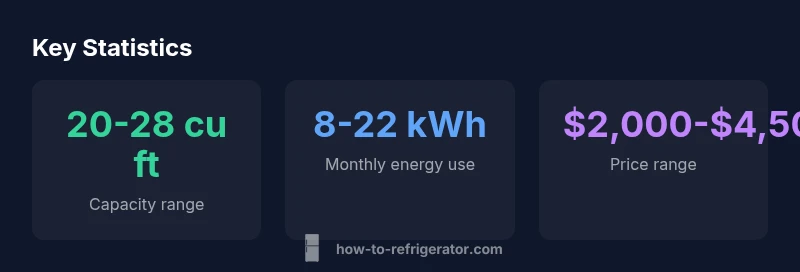
A 48 inch wide refrigerator typically measures 48 inches across and provides substantial capacity, usually in the 20–28 cubic feet range, depending on configuration. Common layouts include French-door, side-by-side, and bottom-freezer styles. These models suit large households with roomy kitchens, but they demand adequate floor space and proper ventilation for optimal performance.
What makes a 48 inch wide refrigerator different
The 48 inch width is a design constraint that influences capacity, door swing, and installation space. In a real 48 inch wide refrigerator, the interior layout often prioritizes wider shelves, taller crisper drawers, and versatile door storage to maximize usable space. When evaluating models, homeowners should compare exterior dimensions, interior configuration, and hinge design to ensure doors won’t crowd nearby cabinets. The How To Refrigerator team notes that measuring not just the width but also the required clearance for doors and handles helps prevent installation surprises and ensures smooth operation in busy kitchens.
Popular layouts for 48 inch wide refrigerators
Large kitchens favor layouts that balance capacity with accessibility. Common configurations include French-door models with two vertical doors and a bottom freezer, side-by-side designs that emphasize a tall, open pantry area, and bottom-freezer formats with a wide top section. Some 48 inch wide refrigerators offer four doors or triple-zone layouts for dedicated deli, produce, and beverage zones. Each layout affects interior organization, energy efficiency, and door swing, so study the door clearance and hinge placement on the specific model you’re considering.
Capacity, energy use, and feature trade-offs
Capacity is typically the first consideration for a 48 inch wide refrigerator, with usable space usually ranging from about 20 to 28 cubic feet depending on configuration. Energy efficiency varies by compressor type, insulation, and LED lighting. High-end models may include features like smart temperature control, dual evaporators, and advanced defrost systems, which can improve long-term energy usage but add upfront cost. When comparing models, balance capacity and layout against estimated annual energy use and potential savings on utility bills over time.
Installation spacing, ventilation, and electrical considerations
A 48 inch wide refrigerator needs adequate clearance on all sides for proper airflow and door operation. Plan for at least a few inches of space behind and beside the unit, and ensure the ventilation grille isn’t obstructed by walls or cabinetry. A dedicated 120-volt outlet on a dedicated circuit is typical for most residential builds; verify amperage requirements from the manufacturer. If you’re installing behind cabinetry, confirm clearance for door swing and any panels or toe-kick adjustments. Poor ventilation or cramped spaces can reduce efficiency and shorten compressor life.
Maintenance and troubleshooting tips for large fridges
Regular maintenance helps preserve performance in large refrigerators. Clean condenser coils every 6–12 months or as recommended by the manufacturer to keep the compressor from overworking. Check door seals for gaps and replace worn gaskets to maintain proper cooling. Clear the defrost drain and avoid overfilling shelves to prevent airflow blockages. If the ice maker or water dispenser misbehaves, inspect water lines for leaks or kinks and replace filters per the manufacturer’s schedule.
How to compare models and brands
Focus on three pillars when evaluating 48 inch wide refrigerators: interior layout that fits your groceries, energy performance per year, and reliability/warranty coverage. Read independent reviews and verify service availability in your area. Compare exterior materials, such as stainless steel vs. panel-ready fronts, and consider installation services offered by the retailer. Keep your long-term costs in view by estimating energy usage and maintenance needs over a 5–10 year horizon.
Before you buy: quick buying checklist
- Confirm kitchen opening is exactly 48 inches wide and measure clearance for doors and handles.
- Decide on layout: French-door, side-by-side, or bottom-freezer based on your family’s eating patterns.
- Check energy ratings (look for Energy Star or equivalent) and estimated monthly energy use.
- Assess installation needs, including outlet type, ventilation space, and potential cabinetry modifications.
- Review warranty terms and available service options in your area to minimize post-purchase risk.
Representative configurations for 48 inch wide refrigerators
| Model Type | Width | Net Capacity | Typical Energy Use (kWh/mo) |
|---|---|---|---|
| French-door 4-Door | 48 in | 22-28 cu ft | 8-18 |
| Side-by-Side | 48 in | 20-26 cu ft | 10-22 |
| Bottom-Freezer w/ French Door | 48 in | 20-24 cu ft | 8-16 |
FAQ
Is a 48 inch wide refrigerator the right size for my kitchen?
A 48 inch wide refrigerator is ideal for spacious kitchens with wide openings and active households. It can maximize storage without feeling cramped, but ensure your space allows for door clearance and ventilation.
A 48 inch wide refrigerator is great for large kitchens, but measure for door swing and airflow first.
What configurations are available in 48 inch wide models?
Common configurations include French-door, side-by-side, and bottom-freezer with a French-door top. Some models offer four-door layouts for separate zones. Your choice should align with how you shop, store, and access groceries.
Options include French-door, side-by-side, and bottom-freezer—pick what fits your groceries best.
What ventilation clearance do I need around a 48 inch fridge?
Provide several inches of clearance on all sides to allow heat to escape and airflow to circulate. Avoid wall obstructions behind the unit and ensure the back vents aren’t blocked by cabinetry.
Give the fridge space on all sides for airflow and avoid blocking the back vents.
Do 48 inch fridges require special outlets?
Most installations use a standard 120-volt household outlet on a dedicated circuit. Some high-end units with extra features may require higher amperage; always check the manufacturer’s specifications.
Usually a standard outlet on a dedicated circuit; check your model’s specs.
Can I panel-match a 48 inch wide fridge with existing cabinetry?
Yes, panel-ready models exist and can be integrated with custom cabinetry. This offers a seamless look but may increase installation complexity and cost.
Panel-ready fridges blend with cabinetry, but install may be more involved.
What maintenance tasks are most important for long-term performance?
Prioritize cleaning condenser coils, checking door seals, clearing the defrost drain, and replacing filters on schedule. Regular checks help maintain efficiency and prevent unexpected failures.
Keep coils clean, seals tight, drains clear, and filters replaced on schedule.
“Choosing a 48 inch wide refrigerator requires balancing capacity, layout flexibility, and energy efficiency to deliver reliable performance in a large kitchen.”
Top Takeaways
- Plan installation space and ventilation before buying.
- Target 20–28 cu ft capacity for large households.
- Compare energy use across models for long-term savings.
- Verify hinge type and door clearance before purchase.