Where Manufacturers Use Magnetic Strips in Refrigerators
Explore where magnetic strips are used in refrigerators, how they work, and what homeowners should know about maintenance, compatibility, and safety.


The magnetic strip in most refrigerators is used in the door gasket to create an airtight seal when the door closes. Some models also incorporate magnetic strips to align ice maker components or hold interior accessories in place. This article explains where these strips appear, how they work, and what to watch for during maintenance.
where do the manufacturers use a magnetic strip in the refrigerator
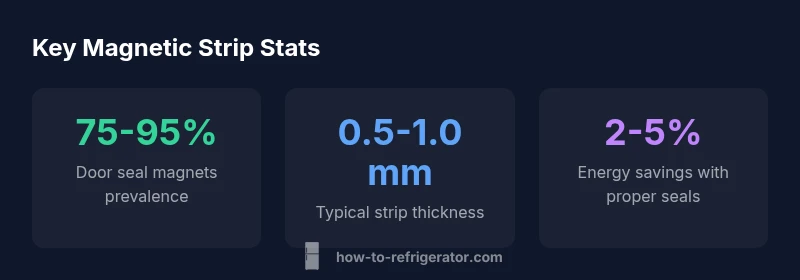
The direct question this article answers is where do the manufacturers use a magnetic strip in the refrigerator, and the answer is that the vast majority of modern models place the strip in the door gasket to create a reliable, airtight seal. According to How To Refrigerator, this simple component dramatically reduces air leakage every time the door closes, which in turn helps maintain stable temperatures and lower energy use. In addition to door seals, several manufacturers have adopted magnetic strips in ice maker assemblies or interior panel mounts to ensure consistent alignment of moving parts. The common thread across these applications is reliability, affordability, and ease of manufacturing. The How To Refrigerator team found that while not every model uses magnets in the same way, the door gasket remains the dominant and most visible implementation. This section will unpack the why and how behind that usage, with practical guidance for homeowners.
How magnetic strips work in door seals
Magnetic strips in refrigerator door seals are typically composed of a flexible magnet embedded in the gasket lip or an attached magnetized strip that clicks against a metal or ferrous frame when the door is shut. The magnet provides a continuous pull that keeps the door edge pressed against the cabinet, preventing warm air from sneaking in. Over time, a gasket with a magnet can wear where the lip seals against the frame, leading to air leaks, frost buildup, or uneven cooling. Understanding this mechanism helps homeowners diagnose problems quickly: if the door feels loose or you hear a faint air leak, inspect the gasket for a damaged magnet, torn edge, or loose attachment. Regular cleaning with mild soap and water helps preserve the magnetic performance by removing oils and debris that can degrade the seal’s surface. Remember the goal: a consistent, uniform seal around the entire door periphery.
Variations across fridge types
Different refrigerator configurations influence how magnets are applied. In French-door models, magnetic strips often run along the main doors to ensure alignment with the bottom freezer and to support a tighter seal around large, wide openings. Side-by-side units may use magnets in the vertical door edges to minimize warping and maintain balance as doors swing. Top-freezer and bottom-freezer designs can feature magnets in the gaskets too, but the emphasis is frequently on durability and resilience against door slam. Regardless of the design, manufacturers aim for a seal that remains effective through temperature cycling, door usage, and occasional minor misalignments. If you’re comparing models, look for gasket materials rated for low-temperature flexibility and magnets that are integrated rather than attached with weak adhesive.
Magnetic strips in ice maker and dispenser assemblies
Some models extend magnetic strip use into the ice maker and water dispenser modules. Magnets can help align the ice chute, secure the housing, and keep dispenser panels from rattling during operation. In these layouts, you’ll notice magnets near the dispenser opening or along the interior walls that hold covers in place when the unit is in use. Because these magnets interact with moving parts, design quality matters: high-end models often feature stronger magnets, better housing fit, and smoother operation. If you notice misalignment or unusual dispenser movement, the culprit could be a displaced magnetic strip or a shifted component around the assembly.
Interior mounting and accessory alignment
Beyond doors and dispensers, some manufacturers rely on magnets to mount interior accessories such as shelves, bins, or light panels. These magnetic strips provide tool-free adjustability, allowing you to reposition shelves or attach lightweight organizers without hardware. The advantage is quick customization and a cleaner interior without protruding fasteners. The trade-off is ensuring magnets are strong enough to hold items but not so strong that shelves are difficult to reposition. When shopping, check for accessories designed to snap into place using the magnet strip, and confirm compatibility with your refrigerator’s internal walls and panels.
Maintenance and replacement considerations
Maintaining magnetic strips starts with visual inspection: look for torn edges, cracks in the gasket, or loose magnet segments. Clean seals with a mild soap solution rather than abrasive cleaners that could erode the matte surface or weaken the magnetic lip. If you notice persistent leaks, a DIY gasket replacement might be feasible if your model supports magnet-integrated seals; otherwise, professional service is recommended. Replacement strips should match your model’s gasket profile and magnet type; generic magnets can fail to seal properly or interfere with sensor readings. Keep model-specific parts on hand and follow manufacturer guidance to avoid compromising the integrity of the door seal. Proper maintenance preserves energy efficiency and the longevity of the unit.
Safety and sensor interactions
Magnets used in refrigerator components are generally safe and sealed within housings, but it’s reasonable to check that magnets do not interfere with nearby sensors. In most cases, sensors are shielded or positioned away from the magnet strips; however, aggressive cleaning or aggressive force near the door edge can dislodge magnets and cause misreads or door misalignment. If your fridge has a door-open alert that seems overly sensitive or inconsistent, inspect the proximity of magnets to the sensor and consult the manual for safe replacement practices. In short, normal magnet use does not pose a risk to food safety or electronics when properly installed.
Common myths and misinterpretations
A common misunderstanding is that magnets can “affect” refrigeration directly by changing temperatures inside the cabinet. In reality, the magnetic strips influence seals and alignment rather than cooling chemistry. Another myth is that magnets draw additional electrical power; while a well-sealed door saves energy, the magnet itself does not consume power. Finally, some buyers fear magnets near food; magnets used in refrigeration components are sealed and pose no health risk when the unit is operated normally. If you have concerns about magnet placement, review your model’s documentation or contact a qualified technician for model-specific guidance.
Replacing a magnetic strip: step-by-step guide
- Confirm model compatibility and locate the gasket profile with the magnetic lip. 2) Purchase a manufacturer-approved gasket or magnet strip designed for your model. 3) Remove the old gasket by loosening screws or peeling away retaining clips, taking care not to damage the door frame. 4) Clean the door edge and frame; dry completely. 5) Fit the new gasket, aligning the magnet lip with the frame and securing with screws or clips as directed. 6) Close the door and perform the seal check; use the dollar-bill test or a simple feel test to ensure resistance across the entire edge. 7) Monitor for frost or air leaks and adjust as needed.
Magnetic strips usage across refrigerator components
| Application Area | Magnet Type | Typical Function | Notes |
|---|---|---|---|
| Door Gasket Seals | Flexible magnetic strip | Seals door edges to improve airtightness | Common in most models |
| Ice Maker/Dispenser Modules | Magnetic mounting strip | Aligns ice chute and dispenser | Model dependent |
| Interior Mounts for Shelves/Accessories | Flat magnets or magnetic-backed strips | Securely positions removable components | Some adjustable designs |
| Soft-Close/Alignment Features | Magnetic lip or coil activation | Assists in smooth closing and alignment | Higher-end models |
FAQ
What exactly is a magnetic strip in a refrigerator?
A magnetic strip is a flexible magnet embedded in the door gasket or interior panels that helps create a tight seal and guides certain components. It’s designed to resist wear from regular door use while remaining sealed from food contact.
A magnetic strip is a flexible magnet in the door seal or interior panels that helps the fridge seal properly.
Do magnets affect fridge sensors or electronics?
In most modern refrigerators, sensors are designed to ignore small magnets used in gaskets and mounts. Properly installed magnets should not interfere with electronics, but misalignment or damaged housings can trigger sensor readings.
Generally no, magnets in the gasket or interior mounts don’t affect the fridge sensors unless components are damaged.
Can I replace just the magnet strip, or do I need a full gasket?
Some models allow replacing just the magnet strip, but many use integrated gasket designs that require a full gasket replacement. Check your model’s manual or contact support for model-specific guidance.
It depends on your model—some allow magnetic strip replacement, others need a full gasket change.
How can I tell if a magnetic strip is worn?
Look for gaps along the seal, torn gasket edges, frost buildup near the door edge, or doors that don’t seal evenly. A simple test is to try a dollar bill test to see if the seal holds uniformly.
If the door leaks air or feels lighter at certain spots, the magnetic seal may be worn.
Is it safe to clean magnets with metal tools?
Use mild soap and water on the gasket and magnet surfaces; avoid abrasive cleaners or metal tools that could scratch or dislodge the magnet.
Gently clean with mild soap and water, avoid metal tools.
“Magnetic strips are a practical, low-maintenance solution that helps fridges achieve tight seals and reliable dispenser alignment without adding complex moving parts.”
Top Takeaways
- Inspect door gaskets for wear; magnetic strips ensure airtight seals.
- Expect additional magnets in ice dispensers and interior mounting.
- Clean seals regularly to extend life and efficiency.
- Replace worn magnets with manufacturer-approved strips.
- Magnets generally don’t affect food safety or electronics.