What to Do When You Move a Refrigerator: A Step-by-Step Guide
A comprehensive, expert guide on safely moving a refrigerator, from prep to reinstallation. Learn unplugging, defrosting, securing, transporting upright, leveling, and post-move checks for a hassle-free relocation.


You can safely move a refrigerator by unplugging it, emptying and securing contents, disconnecting water lines, and keeping the doors taped closed. Transport the unit upright, avoid tilting more than 45 degrees, and cushion it during relocation. When re-installing, give the floor a firm, level base, wait for it to settle, then reconnect power and water. Once powered, listen for unusual sounds and check for leaks.
Preparing to Move Your Refrigerator
Moving a refrigerator safely starts with planning. According to How To Refrigerator, begin by auditing what will travel with the fridge and what can be removed for easier handling. This minimizes the risk of spills and damage during transport. Next, assemble a simple checklist: unplug the unit, empty the interior, secure the doors, and protect any glass shelves. Clear a path from the kitchen to the moving area, and ensure you have help if the appliance is heavy. A well-prepared move reduces reassembly time and prevents injuries.
Inventory and Cleaning Before Move
Before you disconnect, take stock of everything inside and around the fridge. Remove perishable items, then wipe down shelves and drawers to prevent spills during transport. If possible, remove adjustable shelves and drawers and wrap them in towels or bubble wrap to keep them from shifting. Lay a soft rug or mat in the doorway to protect floors and collect stray items that might fall during the move. Document any loose parts to reinstall later.
Defrosting and Drying for Leak Prevention
Defrosting is critical for the freezer section if ice forms. Plan to defrost if frost buildup is noticeable, and dry all interior surfaces thoroughly. Leaving moisture increases the chance of leaks on the floor and inside the compressor housing. After drying, recheck for any water droplets around the drain hole. This step reduces water damage and cleanup in your new kitchen. Based on How To Refrigerator research, a thorough dry run helps prevent cleanup headaches after relocation.
Disconnecting Power and Water Lines
Unplug the refrigerator from the wall outlet before touching any wiring. If your model has an ice maker or water dispenser, locate and disconnect the water line at the inlet valve. Keep a shallow pan ready to catch residual water. Cap the line to prevent spills and connect a short piece of tubing to keep the open end safe during transport. If you are unsure, consult the user manual or a technician for model-specific guidance.
Securing Internal Components and Doors
Secure loose items inside the fridge by taping shelves and drawers in place. Use painter's tape or straps on the doors so they won't swing open during movement. Remove or secure crisper drawers and freezer baskets to prevent shifting. This reduces damage to gaskets and interior finishes. The goal is to keep everything in place so a jolt or tilt doesn't scatter contents.
Protecting During Transport
Wrap the refrigerator with moving blankets or thick towels to shield doors and surfaces. Use a sturdy appliance dolly and strap the unit to the dolly for stability. Keep the fridge upright; avoid placing it on its side. Create a clear path and have at least two capable movers to keep the load balanced and controlled. Protective padding minimizes dents and protects the flooring during navigation through doorways.
Transport Upright Position and Handling
Maintain an upright position during loading, unloading, and transport. If you must tilt, keep tilt to a minimum and never exceed a gentle angle. Move slowly and steadily, using a wide stance to maintain balance. Place the fridge on a protective mat at the destination, away from walls and corners that could damage doors. Keeping it vertical reduces oil migration and compressor stress.
Setting Up in the New Location
Clear the final space, confirm there is an electrical outlet nearby, and ensure space for air circulation around the condenser. Move the fridge into place carefully, avoiding contact with walls. Leave the back clearance as recommended in the manual and align the unit with nearby cabinets. Keep doors open for a few minutes to adjust to the new atmosphere and prevent mold in damp environments.
Leveling and Anchoring for Stability
Use a level to check front-to-back and side-to-side alignment. Adjust front feet or shims to achieve a perfectly level unit. A level refrigerator prevents doors from misaligning and reduces vibrations. If you live in a high-wind or earthquake-prone area, consider anchoring the unit following local codes. A stable setup also improves door seals and energy efficiency.
Reconnecting Power and Water and First Run
Reconnect the power cord to the outlet and reattach the water line if used. Plug the fridge in and listen for the compressor start. Run a test cycle with the doors closed and observe for unusual noises or leaks. If your model has a frost-free feature, monitor for condensation during the first few hours to confirm proper operation.
Post-Move Checks and Maintenance
Check door seals, temperature settings, and ventilation at the back. Clean up any residual moisture around the base and ensure there is no pooling water. Inspect the water line connection for leaks after use. Read your user manual for any model-specific steps and schedule regular maintenance to extend the appliance life. Regular checks help prevent unexpected failures and save energy.
Common Pitfalls and Quick Fixes
Avoid tilting the fridge more than necessary; never lay it flat on its side unless the manual allows it. Do not rush the setup; take time to level properly. If you hear buzzing or humming, pause and recheck the connections and floor level. Keep a spare towel for leaks and have a plan for immediate cleanup to minimize damage.
Final Note on Preparation and Safety
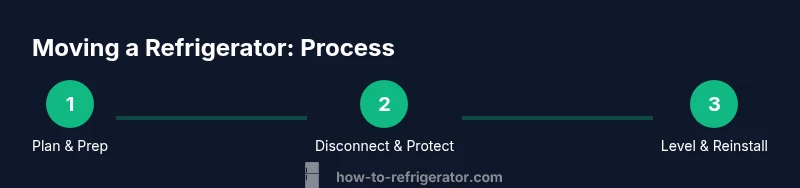
A careful, methodical approach minimizes damages, protects your home, and keeps your family safe during a move. The goal is a smooth transition with minimal downtime for your cold storage. Following a logical sequence—prep, disconnect, protect, transport upright, install, and verify—reduces the risk of costly mistakes.
Tools & Materials
- appliance dolly(Heavy-duty wheeled dolly rated for appliance weight; secure with straps)
- moving blankets(Protect surfaces and doors during transport)
- straps or tie-downs(Anchor fridge to dolly and prevent shifting)
- towels or absorbent mats(Capture residual water and protect floors)
- screwdriver or adjustable wrench(Disconnect water line fittings if present)
- duct tape or painter’s tape(Secure doors and drawers without leaving residue)
- level(Used during reinstallation to ensure proper alignment)
- water line caps or short section of tubing(Cap the water inlet when disconnected to prevent leaks)
- pan or towel tray(Catch residual water during water line disconnect)
Steps
Estimated time: 2-3 hours
- 1
Power Down and Prep
Power down the unit and unplug from the wall outlet to eliminate any electrical hazards. Remove all power strips or extension cords to prevent accidental energizing during handling.
Tip: Label the outlet if multiple circuits exist so you reconnect correctly. - 2
Empty Interior
Remove all perishables and transfer any movable shelves to a safe area for transport. Secure drawers and baskets to prevent shifting.
Tip: Wrap removable shelves in towels to protect glass edges. - 3
Defrost and Dry
If frost buildup is present, defrost the freezer section and wipe dry interior surfaces. Ensure no standing water remains before moving.
Tip: Use towels to absorb moisture and reduce drips on the path. - 4
Disconnect Water Line
If your model has a water line, shut off the supply at the valve, disconnect the line at the inlet, and cap the end to prevent leaks during transport.
Tip: Have a pan ready to catch residual water and avoid slips. - 5
Secure Interior Components
Tape shelves and drawers in place or remove them and wrap separately to prevent movement. Secure heavy items that could shift.
Tip: Avoid tape on gaskets to prevent sticking. - 6
Protect Exterior
Cover doors and surfaces with moving blankets or thick towels. Ensure corners are cushioned to prevent dents.
Tip: Fold blankets to create a snug padding layer at vulnerable edges. - 7
Use the Dolly
Wheel the unit onto a dolly, keeping it upright. Secure with straps to prevent rolling or tipping on stairs and turns.
Tip: Have a second person guide and support the base during transitions. - 8
Transport Upright
Keep the fridge in a vertical orientation throughout the move. If you must tilt, do so minimally and never lay it flat.
Tip: Avoid sudden jolts or fast maneuvers that could damage the compressor. - 9
Set Up in New Space
Place the fridge in the target area with clear access to power and, if applicable, the water line. Leave sufficient space for airflow around the condenser.
Tip: Do not push tight against walls; allow a few inches for cooling air. - 10
Level and Align
Use a level to check front-to-back and side-to-side. Adjust feet or add shims until perfectly level to ensure proper door seals.
Tip: If the floor is uneven, place shims behind the feet for stability. - 11
Reconnect Power and Water
Reconnect the power supply and reattach the water line if used. Plug in and start a test run while doors are closed.
Tip: Listen for compressor cycling; a prolonged hum may indicate misalignment. - 12
Test Run and Final Checks
Monitor the unit for leaks, unusual noises, and proper temperature. Confirm door seals seal well and there is no excessive condensation.
Tip: Keep an eye on performance for the first 24 hours after move.
FAQ
Is it necessary to unplug and defrost before moving?
Yes. Unplug the unit and remove contents; defrost if there is frost buildup to prevent leaks and damage during transport.
Yes—unplug and defrost as needed to prevent leaks during transport.
Can I move a fridge on its side?
Not recommended. Keeping it upright protects the compressor and oil, reducing the risk of damage.
Keep it upright; avoid laying it on its side.
How long should I wait before plugging in after moving?
Allow the unit to settle in its new space for several hours, then plug in and run a test cycle.
Give it several hours to settle, then plug in and test.
What should I do with the water line?
Shut off the water supply, disconnect the line, and cap the inlet to prevent leaks during transport.
Shut off and cap the water line to prevent leaks.
How do I secure doors during transport?
Close the doors and tape or strap them shut so they do not swing open during transit.
Tape or strap the doors closed for safety.
What equipment helps move safely?
A dolly, moving straps, and blankets protect the unit and reduce risk during lifts and turns.
A dolly, straps, and blankets help protect it.
Watch Video
Top Takeaways
- Plan ahead and inventory items before moving.
- Keep the fridge upright and secure to avoid damage.
- Defrost and dry to prevent leaks and mold.
- Disconnect water lines and cap ends to prevent spills.
- Level the unit after installation for proper seals and efficiency.