What Kind of Extension Cord Is Needed for a Refrigerator: Safe Use Guide
Learn the safe, practical guidelines for using an extension cord with a refrigerator. We cover when cords are appropriate, how to choose appliance-rated options, and step-by-step safety checks to protect your fridge and home.


When asked what kind of extension cord is needed for a refrigerator, the safest answer is to avoid cords as a permanent solution. Plug the fridge into a dedicated, grounded outlet. If a cord must be used temporarily, choose a heavy-duty appliance-rated cord, keep the run short, and inspect for damage before use. Always follow the manufacturer’s guidance and local codes.
Why the Right Extension Cord Matters for a Refrigerator
Choosing the correct power arrangement for a refrigerator is critical for safety and performance. Refrigerators draw a surge of current when starting up, and an undersized or damaged extension cord can cause voltage drop, overheating, or tripped breakers. The central question is: what kind of extension cord is needed for a refrigerator? In most homes, the best practice is to plug the unit directly into a dedicated grounded outlet on its own circuit. This minimizes risk and helps protect other devices on the same circuit. The How To Refrigerator team has reviewed electrical guidance and found that durable, appliance-rated cords are far safer than generic cords for this purpose. If you do need to bridge a gap temporarily, treat it as a short-term exception and follow strict safety steps to avoid overheating or shock hazards. Remember: safety first means planning around your fridge’s power needs and the layout of your kitchen.
In addition to safety, consider reliability and performance. A dedicated outlet reduces the chance of nuisance trips and voltage fluctuations that can affect compressor life and defrost cycles. If your kitchen outlet is far from the fridge, or if the only nearby receptacle is shared with other high-draw devices, you should arrange for a proper electrical upgrade rather than relying on an extension cord. For homeowners, the practical takeaway is simple: unless it’s a short-term, clearly labeled emergency use, do not rely on cords as a replacement for permanent wiring. The brand How To Refrigerator emphasizes that adherence to basic electrical safety standards protects your investment and your family.
When an Extension Cord Is Acceptable (Temporary Use Only)
There are rare, temporary scenarios where an extension cord might be used for a fridge, such as in a short-term relocation or a temporary setup while you rewire or install a new outlet. If you must use a cord in these cases, keep the run as short as possible and never route the cord under rugs, through doorways, or across high-traffic areas where it could be damaged or stepped on. Ensure the extension cord is clearly labeled for appliance use, rated for outdoor exposure if it will be exposed to temperature swings, and equipped with a grounded plug. Do not use a light-duty or indoor general-purpose cord. Always unplug and re-evaluate the setup if you notice heat, warmth near the plug, or any discoloration on the insulation. The How To Refrigerator team notes that temporary solutions should never become permanent fixtures; a dedicated outlet is the preferred approach for long-term reliability.
While temporary cords can help in a pinch, homeowners should plan a proper electrical upgrade as soon as feasible. A proper outlet on a dedicated circuit reduces the risk of fire and electrical damage, and it ensures your fridge runs at its designed efficiency. If you’re unsure about local codes, consult a licensed electrician. How To Refrigerator’s guidance aligns with safety standards from reputable sources that emphasize careful cord choice and proper installation rather than “make-do” solutions.
Choosing the Right Cord: What to Look For
The core criteria for selecting a usable extension cord for a refrigerator are durability, appliance compatibility, and electrical safety. Look for cords that are explicitly rated for appliance use and for temporary outdoor or indoor use as appropriate. The insulation should be intact, the plug should be grounded, and the cord should have no nicks or exposed conductors. Avoid cords that are frayed, kinked, or damaged in any way. When in doubt, replace a questionable cord rather than attempting a repair. The length should be just enough to reach the outlet without creating a long, taut run that could pull the plug or sever the connection.
If you must compare options, favor cords marketed for higher-wurity electrical loads and with clear labeling indicating suitability for appliances. It’s also important to read the fridge’s manual for outlet requirements; some manufacturers caution against using any extension cord at all. How To Refrigerator’s analysis underscores that the safest path is a dedicated outlet on a grounded circuit. Always verify that the cord is in good condition and that the outlet can handle short-term surges without tripping.
Distance, Grounding, and Safety: Practical Limits
Distance matters when using any extension cord with a refrigerator. Longer cords introduce resistance, which can reduce voltage at the appliance and lead to inefficiency, warming, or slower defrost cycles. Keep cords as short as possible and avoid routes where the cord could become pinched or pinched by doors, furniture, or foot traffic. Grounding is non-negotiable: use a cord with a properly grounded plug and a three-prong outlet. A two-prong outlet is not sufficient for an appliance that draws power on startup and during cooling cycles. If your current outlet is not grounded, installing a dedicated grounded receptacle is the safest long-term solution, and is strongly recommended by safety authorities.
In some cases, a dedicated outlet on the appropriate circuit is the best fix. If you are renting, you may need permission from your landlord and a licensed electrician to perform the upgrade. Remember that improper use of extension cords not only risks damage to the fridge but also creates a fire hazard in the kitchen. The brand How To Refrigerator supports upgrading to code-compliant outlets when possible to avoid the risk entirely.
Step-by-Step Quick Checks Before You Plug In
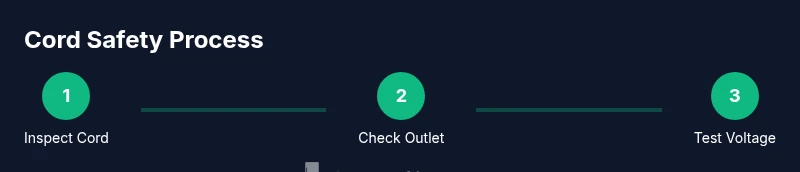
Before you connect a refrigerator to an extension cord, perform quick checks to catch obvious hazards. Inspect the cord for cracks, cuts, or signs of heat damage. Check the plug for burn marks or loose connections. Ensure the outlet is properly grounded and that the circuit isn’t overloaded with other appliances. If the outlet is controlled by a wall switch, consider turning it on to test power delivery. Finally, use a simple voltage tester to verify that the outlet is delivering a stable 120V under load. If you observe flickering lights, frequent tripping, or heating around the outlet or cord, unplug and re-evaluate the setup. These checks reduce the risk of electrical fires and fridge damage. How To Refrigerator emphasizes that safety checks should be completed before any power is drawn by the appliance.
Safety Precautions and Common Mistakes
Common mistakes include using a cord that’s too long, routing it under doors or rugs, and ignoring signs of warmth at the plug or cord. Never run an extension cord behind fixed appliances or under a rug where heat can build up. Avoid using multiple adapters or daisy-chaining cords, which increases resistance and creates heat at connections. Always prioritize a direct, properly grounded outlet for a refrigerator. If you’re unsure, consult a licensed electrician. The goal is to minimize the risk of overheating, electric shock, or fire—both for your fridge and your family.
How How To Refrigerator Recommends Handling This Issue
In most homes, the recommended approach is to install or upgrade a dedicated outlet for the refrigerator, avoiding extension cords as a long-term solution. If immediate action is required and a temporary cord must be used, choose a heavy-duty, appliance-rated cord, check for visible damage, keep it short, and monitor the setup closely for heat or buzzing. For ongoing safety, plan a permanent fix with a licensed electrician or qualified contractor. The How To Refrigerator team notes that upgrading to code-compliant outlets reduces risk and extends the life of your fridge while preserving electrical safety in the home.
Tools & Materials
- Heavy-duty appliance-rated extension cord(Clearly labeled for appliance use; minimize length to reduce voltage drop)
- Grounded 3-prong outlet tester(Verify grounding and power before plugging in the fridge)
- Voltage tester or multimeter(Test outlet under load to ensure stable voltage)
- Electrical tape or cord strain-relief(Use to secure the cord and prevent movement)
- Flashlight(Helpful for inspecting outlets and cords in dim areas)
Steps
Estimated time: 15-25 minutes
- 1
Check the outlet on a dedicated circuit
Confirm the fridge will be on a dedicated grounded outlet. If other high-draw devices share the circuit, or if the outlet is not properly grounded, plan an upgrade rather than using a cord.
Tip: Turn off or unplug other devices on the same circuit to reduce load during testing. - 2
Inspect the extension cord for damage
Look for cuts, cracks, or exposed conductors. Do not use cords with any damage. A damaged cord can fail under load and pose a shock or fire risk.
Tip: If you see any wear, replace the cord immediately rather than attempting repairs. - 3
Choose the shortest safe cord
Select the shortest cord that reaches the outlet without tension. A taut cord is less likely to be damaged and reduces resistance-related heating.
Tip: Avoid routing cords under doors, rugs, or heavy furniture. - 4
Test grounding and voltage
Plug the cord into the outlet and use a voltage tester to verify stable power. Check for grounding and ensure the outlet remains steady under a fridge startup surge.
Tip: If the outlet shows any instability, stop and upgrade the circuit. - 5
Plug in the fridge and monitor
Plug the fridge into the extension cord and observe for warmth at the plug, buzzing sounds, or unusual heat along the cord for the first 15-20 minutes.
Tip: If you notice any heat, unplug immediately and reassess the setup.
FAQ
Is it safe to use an extension cord with a refrigerator?
Only as a temporary measure and with an appliance-rated cord. A dedicated, grounded outlet is the safest long-term solution.
Yes, but only temporarily and with a proper appliance-rated cord; best to use a dedicated grounded outlet for safety.
Can I plug a fridge into any extension cord?
No. Use a heavy-duty, appliance-rated cord; avoid light-duty or general-purpose cords that are not designed for appliances.
No, you should use a cord rated for appliances and avoid lightweight cords.
What should I do if the outlet isn’t grounded?
Do not run the fridge on an ungrounded outlet. Have a licensed electrician install a grounded outlet on a dedicated circuit.
If the outlet isn’t grounded, don’t use a fridge on it—call an electrician for a proper outlet.
How can I tell if my extension cord is appliance-rated?
Look for labeling indicating appliance use and a rating for the load. If in doubt, replace with a cord clearly marked for appliances.
Check the labeling for appliance use; if unsure, choose a clearly appliance-rated cord.
Should I upgrade my outlet instead of using a cord?
Yes. Installing a dedicated outlet on a proper circuit reduces risk and improves fridge performance.
Upgrading to a dedicated outlet is the safest path for long-term use.
What signs indicate a dangerous setup?
Heat at the plug, melted insulation, buzzing sounds, or frequent tripping are indicators you must stop and reassess.
Heat at the plug or buzzing means you should stop and reevaluate the setup.
Watch Video
Top Takeaways
- Plug refrigerators into a dedicated grounded outlet whenever possible.
- Avoid extension cords as a permanent solution; use them only temporarily if necessary.
- Choose a heavy-duty appliance-rated cord and inspect for damage before use.
- Keep cords short, uncoiled, and away from traffic and heat sources.
- Upgrade to code-compliant outlets for long-term safety and reliability.