Restaurant Refrigerator Troubleshooting for Home Kitchens
Learn how to troubleshoot a restaurant refrigerator in a home kitchen with practical steps, safety tips, and maintenance routines to DIY or hire a pro, plus energy and replacement guidance.


By the end of this guide, you’ll be able to troubleshoot a restaurant-style refrigerator in a home kitchen. You’ll learn how to identify common issues, verify temperatures, inspect seals, and perform safe, kitchen-friendly fixes. We’ll cover when a home remedy is enough and when professional service is required, plus practical maintenance routines to extend life.
Understanding restaurant refrigerators: types and differences
Restaurant refrigerators are built for high-demand, continuous operation and often feature heavier insulation, sturdier doors, and more powerful condensers than typical home models. In a home kitchen, you may encounter a compact reach-in, a tall merchandiser, or a compact undercounter unit that mimics commercial styling. The How To Refrigerator team notes that these units prioritize airflow and robust cooling cycles, which can make maintenance feel more complex for DIY enthusiasts. When diagnosing issues in a home setting, start by identifying the exact model family and comparing it to the unit you own. Keep in mind that commercial-style refrigerating equipment may have different defrost mechanisms, condensers, and access panels. According to How To Refrigerator, restaurant-grade units are designed for long hours of operation, which means small problems left unattended often escalate faster than in residential units. This makes early detection and routine upkeep especially important for longevity and reliability.
Safety basics before you start
Safety should come first when working with any powered appliance, especially larger, heavy units that live in kitchens. Before touching any controls, unplug the unit and, if feasible, switch off the circuit at the breaker. Use insulated gloves when handling doors, shelves, or exposed metal, and keep a clear, dry workspace. Do not attempt refrigerant work or disassembly that exposes sealed lines; those actions require licensure and specialized equipment. If you plan to move the unit for cleaning, enlist help to avoid injuries and damage. Finally, never spray water directly into electrical components or onto the compressor housing. A quick safety checklist at the outset saves time and prevents common mishaps later.
Common issues you can identify and verify
Typical symptoms include unusual warmth inside the cabinet, frost buildup, moisture pockets on shelves, or audible buzzing and humming. Start with straightforward checks: confirm the thermostat is set correctly, verify the door is sealing, and inspect the condenser coils for dust. For home users, it helps to take temperature readings at several interior shelves and compare with the thermostat setting. If temperatures stay well above the target range despite proper settings, you may be facing airflow restrictions, degraded door seals, or dirty coils. The How To Refrigerator team highlights that understanding whether the issue is airflow or sealing helps narrow potential fixes and reduces unnecessary part replacements.
Maintenance routines you can implement today
Develop a simple weekly to monthly maintenance calendar. This should include wiping down gaskets, cleaning the condenser coils (with the unit unplugged), and ensuring unrestricted airflow to the condenser. Schedule a thorough defrost drain check if frost accumulates. For restaurant-style units that operate with more intense cycles, quarterly coil cleaning and gasket inspections are reasonable targets. Documenting maintenance in a log helps you spot trends and catch issues before they impact performance. Always use non-abrasive cleaners and dry all surfaces completely before powering the unit back on.
Step-by-step diagnosis for home DIY fixes
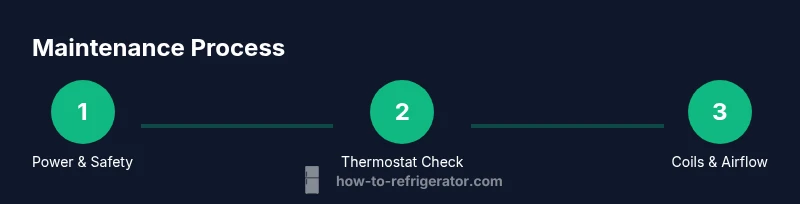
Begin with a structured approach: first confirm power and temperature, then inspect seals and airflow, followed by coil cleanliness and defrost components. If the unit remains non-cooled after these checks, the problem is more likely related to compressor efficiency or refrigerant issues, which require professional service. Remember, many commercial-grade refrigerators rely on components that aren’t present in home units, so don’t assume a single fix will work across all models. The goal is to identify the symptom, isolate the cause, and implement a safe, appropriate solution.
When to call a professional and what to expect
If you observe persistent warm temperatures, refrigerant smells, oil residue, or audible hissing sounds, these are signals that professional intervention may be needed. Refrigerant work, line leaks, and major compressor issues require licensed technicians. When you contact a pro, provide model details, observed symptoms, and any maintenance you’ve already performed. A technician can perform leak tests, verify refrigerant charge, and check electrical connections with calibrated equipment. For homeowners, scheduling routine maintenance with a qualified technician can prevent major breakdowns and extend the life of a restaurant-style refrigerator in your home kitchen.
Quick-start troubleshoot checklist
- Confirm power at the outlet and that the breaker is not tripped
- Check thermostat setting and actual interior temperatures
- Inspect door gaskets for cracks or warping and ensure a clean seal
- Clean condenser coils and ensure air can flow freely around the unit
- Look for frost buildup and address defrost drain blockages if comfortable to do so
- If issues persist, contact a licensed technician for refrigerant or compressor concerns
Tools & Materials
- Phillips screwdriver(Medium-size #2 preferred; for interior panel screws)
- Flathead screwdriver(Useful for prying panels gently)
- Multimeter or voltage tester(Check electrical connections safely)
- Soft brush or microfiber cloth(Clean coils and gaskets without scratching)
- Vacuum with brush attachment(Remove dust from coils more efficiently)
- Bucket and mild detergent(Interior cleaning and spillage control)
- Gloves and safety glasses(Personal protection during service)
- Flashlight or headlamp(Inspect tight spaces and coils clearly)
- Non-abrasive cleaner(Avoid corrosive residues on metal surfaces)
- Replacement door gasket (if worn)(Only if you find obvious damage)
- Leak sealant or refrigerant handling guide (for pros)(Do not attempt refrigerant work yourself)
Steps
Estimated time: 60-120 minutes
- 1
Power down and prep
Unplug the unit and clear the area. Put on gloves and safety glasses. This removes the risk of electrical shock and allows you to inspect panels safely.
Tip: Double-check that the floor is dry and that you can access the plug without stretching cords. - 2
Check power, breaker, and thermostat
Verify that power is reaching the unit by testing outlet with a meter. Confirm the breaker hasn’t tripped and that the thermostat is set correctly for the desired interior temperature.
Tip: If the outlet shows power but the unit doesn’t run, test another nearby appliance to confirm the circuit is healthy. - 3
Inspect door seals and hinges
Look for cracks, gaps, or misalignment in gaskets. Clean the seals with a mild cleaner and test the door closing efficiency by closing it on a paper strip.
Tip: A poor seal can cause warm air leaks and compressor overwork; replace damaged gaskets promptly. - 4
Clean condenser coils
With the unit unplugged, access the condenser coils and remove dust and debris using a soft brush or vacuum. Reassess airflow around the unit after cleaning.
Tip: Do not use water directly on electrical components; keep your cleaning motion gentle and thorough. - 5
Check defrost drainage and frost
Inspect the defrost drain for blockages and clear obstructions. If frost accumulates excessively, allow natural defrost if feasible or gently remove frost with a plastic scraper.
Tip: Frequent frost can signal airflow issues or door leaks; verify gaskets after clearing frost. - 6
Test refrigeration function
Plug the unit back in and monitor interior temperatures over 30-60 minutes. Confirm the compressor cycles normally and the freezer/evaporator sections maintain consistent cooling.
Tip: If temperatures remain high, avoid adding perishable items and escalate to a professional assessment. - 7
Document findings and next steps
Record what you checked, what you found, and any parts you replaced. If issues persist, schedule professional service and provide model information.
Tip: A clear report helps the technician diagnose faster and saves you time.
FAQ
Why isn’t my restaurant-style refrigerator cooling at home?
Common causes include a tripped breaker, incorrect thermostat settings, dirty condenser coils, or blocked vents. Start by confirming power, then check the thermostat and airflow. If temperatures stay warm, inspect the door seals for leaks and measure interior temps over time.
Check the power and thermostat, then inspect airflow and seals. If it remains warm, seek professional help.
Can I fix a leaky defrost drain myself?
Small clogs can often be cleared with warm water and a flexible tool. Avoid chemical cleaners on refrigeration lines, and stop if you detect a refrigerant smell. If leaks persist, contact a professional technician.
You can try clearing minor clogs with warm water, but stop if you detect gas smells and call a pro.
Are restaurant refrigerators energy efficient for home use?
Commercial-style units vary in energy use. Efficiency depends on size, insulation, defrost method, and how well the unit is maintained. Compare energy ratings and ensure proper airflow to maximize efficiency.
Energy use varies by model; maintain it well for best efficiency.
When should I replace vs repair a restaurant fridge?
If repair costs approach or exceed a significant portion of replacement, or if efficiency has declined notably, replacement may be more economical long-term. Consider energy efficiency and compatibility with your home kitchen setup.
If repairs are costly or efficiency is poor, replacement might be best.
Is it safe to unplug and clean inside while plugged in?
No. Always unplug before cleaning or inspecting interior components. Do not spray water into electrical parts, and keep liquids away from the compressor and wiring.
Unplug first, then clean. Don’t spray water near electrical parts.
Who should handle refrigerant work or major compressor repairs?
Refrigerant work and major compressor repairs require a licensed HVAC technician. Attempting to handle refrigerants without certification is dangerous and illegal in many areas.
Only a licensed technician should handle refrigerants and major repairs.
Watch Video
Top Takeaways
- Identify unit type and key differences from home fridges.
- Always start with power, thermostat, and seals checks.
- Regular coil cleaning extends efficiency and life.
- Defrost drain maintenance prevents frost-related issues.
- Know when to DIY and when to call a licensed pro.