Repair of Samsung Refrigerator: A Practical Guide
Learn to diagnose and repair common Samsung refrigerator issues with clear, safe steps. This How To Refrigerator guide covers tools, step-by-step tasks, and essential maintenance.


On this page you will learn how to diagnose and repair common Samsung refrigerator problems, safely and with common tools. According to How To Refrigerator, we'll cover steps to check cooling, defrost drain, and door seals, plus safety tips and when to call a pro. The How To Refrigerator team found that many home repairs are doable with clear, actionable instructions.
Common Samsung Refrigerator Issues
According to How To Refrigerator, many Samsung refrigerator problems originate from door seals, defrost systems, or compressor wear. Not cooling can result from a faulty thermostat, a dirty condenser coil, or a blocked defrost drain. Frost buildup in the freezer is a frequent symptom of an evaporator unfrosting problem; ice on the freezer wall blocks airflow. Water leaks around the fridge can indicate a damaged defrost drain or a clogged drip pan. Noisy operation often points to a failing fan motor, loose fan blade, or compressor vibration. Ice maker issues may stem from a blocked water line, frozen filter, or incorrect water pressure. Understanding these categories helps you narrow down the repair path. For the homeowner facing a repair of samsung refrigerator, the goal is to identify the root cause and decide between DIY fixes or professional service. A careful, methodical approach reduces cost and downtime while protecting your appliance’s efficiency.
Safety First: Before You Start
Safety is non-negotiable. Unplug the refrigerator and switch off the circuit at the panel. Do not attempt repairs while the unit is plugged in; electrical shock or refrigerant exposure can occur. Use insulated gloves and safety glasses when handling sharp metal panels or exposed wiring. Keep children and pets away. If the compressor has started overheating, allow the unit to cool before inspecting. Read model-specific manuals to locate service panels. How To Refrigerator emphasizes following manufacturer guidelines and never modifying a sealed refrigerant system yourself.
Diagnostic Checklist and Tools
Before touching any components, gather the right tools and a simple diagnostic plan. How To Refrigerator recommends a baseline inspection: verify the unit is plugged in and receiving power, check thermostat settings, and listen for unusual noises. Use a multimeter to test outlet voltage and control board continuity where indicated. Inspect door gaskets for gaps, ensure proper level installation so doors seal, and look for frost on evaporator to gauge defrost function. Finally, inspect the condenser coils for dust buildup, as dirty coils reduce cooling efficiency. A disciplined, evidence-based approach prevents unnecessary part replacements and saves time. This section also helps you identify whether the issue falls under not cooling, defrost, or refrigerant-related concerns—key categories in any repair of samsung refrigerator.
Common Repair Scenarios You Can Tackle (with caveats)
- Replacing a failed door gasket: A worn gasket causes cooling loss and excess condensation. Clean the surface, apply a gasket sealant if recommended by Samsung, and replace if pitting is present.
- Defrost drain clogs: If you notice standing water on the bottom of the fridge, thaw the defrost drain and clear any ice plugs using a pipe cleaner.
- Condenser coil cleaning: Unplug, vacuum the condenser area, and wipe dust from coils. This improves airflow and cooling performance. Note: If the evaporator coil or sealed system shows signs of damage, call a professional.
- Water line issues for ice maker: Inspect water line for kinks, leaks, or ice blocks; replace a kinked line and test water pressure. For many homeowners, these repairs are doable with the right instructions, but refrigerant handling or compressor work requires a pro.
Maintenance to Prevent Future Breakdowns
Schedule a quarterly check of door seals, clean coils twice a year, ensure proper ventilation, and keep the fridge level. Wipe door gaskets with mild soap and water to maintain flexibility. Replace filters according to Samsung’s guidelines and ensure the ice maker line remains clear. Regular maintenance reduces the likelihood of unexpected breakdowns and extends the appliance life.
When to Replace vs Repair and Cost Considerations
Repair viability depends on appliance age, the extent of damage, and expected lifespan remaining. A newer unit with typical wear is often worth repairing; a unit that is several years old with multiple issues may be a better candidate for replacement if repair costs approach or exceed a significant portion of a new unit’s price. Without providing prices, consider energy efficiency improvements, warranty status, and long-term maintenance costs. The How To Refrigerator team notes that evaluating total ownership cost—not just the repair bill—helps homeowners choose wisely.
Final Plan: Your Next Steps
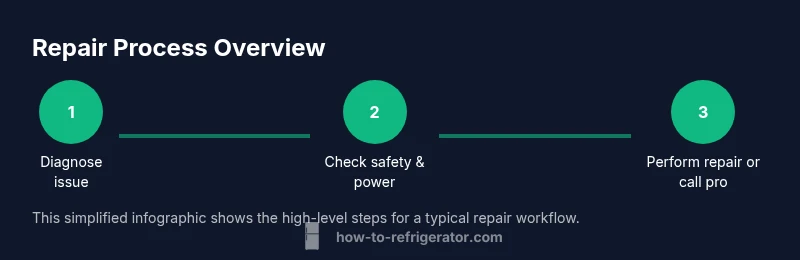
Based on your diagnosis, decide whether to proceed with DIY fixes for simple issues or contact a Samsung-certified technician for complex problems. If you’re not comfortable with electrical work, refrigerant handling, or testing control boards, stop and schedule professional service. Keep a record of parts replaced and service dates to track performance and plan future maintenance.
Tools & Materials
- Multimeter(to test electrical components)
- Phillips and flat-head screwdriver set(various screw sizes in service panels)
- Nut driver bit set(for hex-head fasteners on panels)
- Needle-nose pliers(for clips and connectors)
- Panel removal tool(plastic pry tools reduce panel damage)
- Torch/flashlight(illuminate dark areas)
- Towels and bucket(for spills during defrost or drainage)
- Safety gloves & eyewear(personal protection)
- Vacuum with crevice tool(dust and debris in coils)
- Cleaning brushes(coil and panel cleaning)
Steps
Estimated time: 60-90 minutes
- 1
Power down and unplug
Ensure the unit is unplugged and the circuit is switched off. If the power cord is hard to reach, switch off the corresponding circuit breaker. Confirm the compressor is not energized by feeling for vibrations after unplugging. This step reduces the risk of electric shock and accidental starting.
Tip: Label the plug location and keep it in sight during the repair. - 2
Access service panels and document connections
Remove the rear or interior service panels to access electrical connections. Take clear photos or sketch wiring before disconnecting anything, so you can reassemble correctly.
Tip: Use a magnetic tray or labeled containers for screws. - 3
Test power and thermostat function
With power off, check the thermostat wiring and any control boards as you restore power in short bursts to observe if the unit responds.
Tip: Use a multimeter to verify correct voltage and continuity where indicated by the service guide. - 4
Inspect door seals and alignment
Check door gaskets for cracks or stiffening. Perform the dollar bill test to ensure a tight seal and verify doors close squarely on the frame. Misaligned doors can cause cooling inefficiency and frost buildup.
Tip: If gaskets are worn, replace with genuine Samsung parts. - 5
Inspect defrost system and evaporator
Look for signs of frost buildup or ice plugging in the defrost drain. Thaw ice gently with warm water and a pipe cleaner to clear obstructions. Inspect the evaporator for consistent airflow.
Tip: Avoid metal tools that could damage evaporator tubing. - 6
Check condenser coils and airflow
Unplug and access the condenser coils at the back or underneath. Vacuum dust and debris, then ensure there is at least a couple inches of clearance around the unit for proper airflow.
Tip: Clean coils every 6-12 months or when you notice reduced cooling.
FAQ
Is it safe to repair a Samsung refrigerator myself?
Some repairs are safe for homeowners, especially non-electrical tasks like gasket replacement or coil cleaning. Always unplug first and avoid refrigerant work.
Some fixes are okay for DIY, but avoid refrigerant work and high-voltage components.
What are the most common issues that cause a refrigerator not to cool?
Common causes include door seals, defrost problems, dirty condenser coils, faulty thermostats, and control board issues.
Door seals and dirty coils are frequent culprits when a fridge stops cooling.
How can I tell if the defrost drain is clogged?
Water pooling inside the fridge or a freezer that frosts abnormally can indicate a clogged defrost drain. Perform a careful thaw and clear the line.
Pool of water or unusual frost can mean the defrost drain is blocked.
Should I repair or replace a fridge that’s several years old?
Weigh the repair cost against the age and energy efficiency of the unit. If repairs approach replacement costs or efficiency losses, replacement may be wiser.
Consider age, cost of repairs, and energy savings when deciding.
How long do typical repairs take?
Most DIY fixes take between 30 minutes and a couple hours depending on the task and your access to parts.
A typical repair could take from half an hour to a few hours.
What maintenance helps prevent future breakdowns?
Regularly clean coils, check door seals, and replace filters on schedule to reduce the likelihood of future failures.
Keep up with coil cleaning and door seals to prevent issues.
Watch Video
Top Takeaways
- Identify safety first and unplug
- Focus on common failure points: seals, defrost, coils
- Many repairs are DIY-friendly with a guide
- Know when to stop and call a professional
- Keep up regular maintenance to prevent failures