How to Fix a Refrigerator That Is Making a Loud Humming Noise
Learn how to diagnose and fix a refrigerator that is making a loud humming noise. Step-by-step checks, safe diagnostics, when to replace parts, and tips to prevent future hums. How To Refrigerator explains practical home fixes and safety considerations.


The most likely cause of a loud humming refrigerator is the condenser fan or compressor running improperly. Start by unplugging the unit, then inspect the condenser fan for debris or loose blades and test that it spins freely. Clean coils if needed, level the fridge, and reseat any loose panels. If the hum persists or you suspect a faulty motor, call a professional for a safe repair.
Why a refrigerator is making a loud humming noise
When a refrigerator is loud, it’s easy to panic, but most cases boil down to a few mechanical culprits rather than a mysterious electrical fault. According to How To Refrigerator, the phrase refrigerator is making a loud humming noise often points to the condenser fan, which sits behind the back grille and keeps coils cool. If the fan blades strike debris, become bent, or loosen from vibration, the hum can spike in pitch and duration. In some models the compressor can also emit a deeper, constant hum when failing to compensate for pressure changes or when components loosen. Regular maintenance—like coil cleaning, level adjustments, and securing panels—can significantly reduce or silence the noise. Readers should approach the issue with a systematic plan, starting with the simplest checks before moving to more involved fixes. A calm, methodical approach saves time and minimizes risk to you and the appliance.
Brand context: How To Refrigerator emphasizes that most humming issues are solvable with home-safe steps, reducing unnecessary service calls and extending appliance life. Incorporate these checks into a weekend maintenance routine and you’ll likely identify the source without disassembly. This guidance is designed for homeowners troubleshooting appliance issues and aims to empower you with clear, actionable steps to restore quiet operation. The techniques described here also help preserve energy efficiency by ensuring components run smoothly rather than laboring under fault conditions.
Common culprits in modern refrigerators
The most frequent sources of a loud humming include the condenser fan motor catching on ice, dust, or misalignment; the evaporator fan if the freezer compartment is noisy when cooling cycles kick in; and the compressor when it runs longer or vibrates against the cabinet. Insufficient airflow caused by dirty condenser coils or a blocked grille also increases motor load and creates louder-than-usual sounds. Other potential contributors are loose mounting screws, a damaged fan blade guard, or a defrost timer that cycles abnormally. While the noise can be alarming, these issues are typically straightforward to diagnose with a careful listening test and a visual inspection. In some cases, the hum is normal operation, but a dramatic change in pitch or volume warrants attention to prevent longer-term damage.
A practical diagnostic starting point is to locate the source of the hum: the back of the unit (condenser), the bottom grille (coils), or inside panels near the freezer (evaporator). Understanding the origin helps you choose the right fix and avoid unnecessary disassembly. How To Refrigerator’s research shows that owners who track when the hum occurs—during defrost, cooling, or idle periods—are more likely to pinpoint the culprit quickly and safely. If you notice overheating or warm air from vents, stop and reassess, as cooling irregularities may indicate a more serious compressor or refrigerant issue.
How to safely check and isolate the noise
Before you touch any appliance, safety comes first. Always unplug the refrigerator and switch off any nearby circuit breakers if needed to remove all power. Begin with a quick visual sweep: inspect the back panel and the bottom grille for visible debris, ice buildup, or loose screws. Clean dust and lint from condenser coils using a soft brush or vacuum with a brush attachment; blocked coils cause the compressor to work harder and hum louder. Gently wiggle the condenser fan while the unit is unplugged to check for binding or wobble; if the blades don’t spin freely, the fan may need realignment or replacement. If you hear the noise only when the door is open or closed, the evaporator fan may be the culprit. Remember, never attempt refrigerant work unless you’re trained—leave those tasks to a pro.
If the hum persists after cleaning and tightening, check that the fridge is level. A unit that rocks or vibrates on an uneven floor can amplify motor noise. Place a carpenter’s level on top and adjust feet as needed, rechecking after a short run cycle. Finally, listen again with the grille removed to confirm whether the noise is emanating from the motor housing, the fan blades, or the compressor package. If you’re unsure at any point, safe practice is to pause and consult a professional.
Diagnostic flow: symptom → diagnosis → solutions
Symptoms drive the diagnosis. Start with the most common, easiest checks, such as listening for where the hum originates and confirming the unit’s level. If the sound comes from the back, focus on the condenser fan and coils. If it’s inside the freezer compartment, the evaporator fan or defrost components may be involved. If the hum seems tied to compressor cycling or startup, you’re likely dealing with a component in the refrigerant circuit. Use the following flow to steer toward the right solution:
- Symptom: Loud humming or buzzing that’s constant or changing pitch.
- Likely causes: Condenser fan issues (high likelihood), installed vibration, dirty or blocked condenser coils.
- Potential fixes: Clean coils, secure mounting, replace a faulty fan, or call a pro if compressor issues are suspected.
If none of the quick checks solve the issue, it’s time for the STEP-BY-STEP fix detailed later. In all cases, if you smell burning, see smoke, or notice refrigerant signs, power down and call a professional immediately.
STEP-BY-STEP: Fix for the most common cause
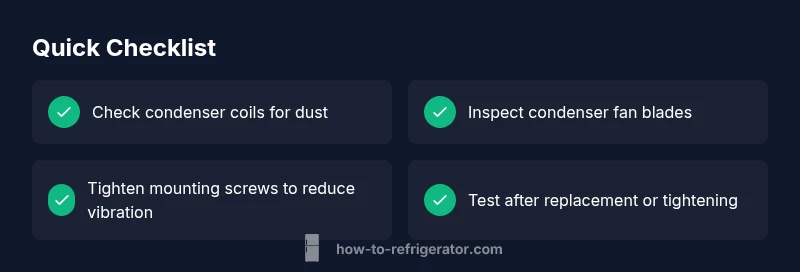
- Safety check and power down: Unplug the fridge and switch off the circuit. 2) Access the condenser: Remove the back access panel or front grille as needed to reach the condenser coils and fan. 3) Inspect the condenser fan: Look for bent blades, debris, or ice buildup around the fan. 4) Clean and free the path: Clear dust, hair, and debris from the fan and coils; vacuum or brush gently. 5) Realign or secure: If the fan is loose, reseat and tighten mounting screws; ensure there is no interference from wires. 6) Test run: Plug back in and listen at a distance to confirm the hum is reduced; reassemble panels if quiet. If the fan spins but the hum persists, the compressor or motor bearings may be failing. In that case, stop and call a professional to avoid risk of refrigerant exposure or electrical shock. Tip: Keep a service log and note any changes in noise after each step.
This sequence reflects the most common root cause—condenser fan or loose components—and provides a clear, practical path to repair. If the fan is damaged or the noise remains after cleaning, you’ll likely need a replacement part or professional service.
Safety and prevention tips
- Always unplug before any inspection or cleaning to avoid electrical shock.
- Wear eye protection and a dust mask when cleaning coils; coils can release dust and refrigerant residue if damaged.
- Use a soft brush and a gentle touch; harsh tools can bend fins and worsen airflow.
- Do not attempt refrigerant handling or compressor replacement unless you’re licensed; refrigerant handling is hazardous and regulated.
- Keep the fridge on a level surface and away from heavy foot traffic or appliances that vibrate; added vibration can worsen hums.
- Schedule regular maintenance: clean coils every 6–12 months and inspect seals and panels for wear.
When to call a professional
If you detect overheating, burning smells, visible refrigerant signs, or the hum returns after a complete cleaning and tightening, contact a licensed appliance technician. Compressor or motor bearing failures require professional diagnosis and could involve refrigerant handling, high voltages, or precise torque specifications. A service call is also warranted if you notice ice buildup or unusual noises that do not disappear after maintenance. How To Refrigerator recommends documenting the symptoms, maintenance performed, and any noise changes to speed up the diagnostic process when you chat with a pro.
Common mistakes to avoid
- Ignoring a persistent hum or attempting DIY refrigerant work.
- Over-tightening or forcing panels, which can crack housing and alter airflow.
- Skipping coil cleaning; dirty coils mask other issues and increase energy use.
- Relying on air fresheners or padding to mask the noise instead of addressing root causes.
- Assuming “normal” operation without measurement; test after each step to validate progress.
Maintenance to prevent humming in the future
Create a simple 2-step maintenance routine: (1) quarterly visual checks for loose screws and clean dust around the condenser and fan area; (2) biannual coil cleaning and door seal inspection to maintain efficient airflow and prevent vibration-induced hums. Place the fridge in a stable, level position and use vibration-dampening mats if you notice floor-caused resonance. Keeping a note of when the hum began helps identify patterns tied to temperature cycles and defrost timers. By building a small, repeatable routine, you reduce the chance of future humming and extend the life of your compressor and fan.
Quick checks you can perform after a fix
After completing the STEP-BY-STEP, listen from a distance to confirm the hum is significantly quieter or gone. Recheck door seals and ensure the unit is level. Place the unit back in its normal operating position and run a full cycle to observe any recurrent sounds. If the hum returned, revisit the most likely causes (fan, coils, mounting) and re-evaluate the connections. Keeping a simple log of observed symptoms and actions provides a valuable reference for future maintenance and for any professional you may hire.
Steps
Estimated time: 45-60 minutes
- 1
Power down and access safety area
Unplug the fridge and switch off the circuit to remove all power. This protects you from shock and keeps the system from running while you inspect. Remove the back panel or front grille as needed to access the condenser area.
Tip: Always start with safety—verify power at the outlet with a tester before touching wires. - 2
Inspect condenser area
Look for dust, lint, hair, or ice buildup around the condenser coils and fan. A clogged condenser reduces cooling efficiency and increases motor load, often causing a louder hum.
Tip: Use a soft brush and vacuum to avoid bending fins. - 3
Check condenser fan operation
Manually rotate the fan blades to feel for smooth motion. If the blades bind, wobble, or don’t spin freely, the fan may be damaged or misaligned.
Tip: If the fan doesn’t spin freely, stop and plan a repair or replacement. - 4
Tighten mounting and reduce vibration
Secure loose screws or brackets around the condenser and any mounted panels. Add vibration dampers or mats under the unit if it vibrates on the floor.
Tip: Even minor looseness can amplify audible hums over time. - 5
Reassemble and test
Replace the panels, plug the unit back in, and monitor the noise as it cycles. If the hum persists, move to the next likely cause or consider professional service.
Tip: Keep a short log of humming during the initial test. - 6
Escalate if needed
If the hum continues after these steps, the issue could be the compressor or refrigerant system, which requires a licensed technician. Prepare notes from your checks to share with the pro.
Tip: Document symptoms, steps taken, and dates to help the tech diagnose quickly.
Diagnosis: Machine hums loudly and consistently
Possible Causes
- highCondenser fan obstruction or damage
- highDirty condenser coils increasing compressor load
- mediumLoose mounting or vibration on cabinet
- lowEvaporator fan or defrost components (in freezer)
Fixes
- easyClean condenser coils and oil-free fan blades; reseat and tighten fan housing
- easyLevel the fridge and secure mounting screws; check for loose panels
- mediumReplace condenser fan motor if blades are damaged or fan won't spin freely
- hardIf suspecting compressor or refrigerant issues, call a licensed tech
FAQ
What is the most common cause of a loud humming fridge?
The condenser fan or the compressor usually causes a loud hum. Debris, bent blades, or loosened mounting can amplify the sound. Cleaning coils and securing the fan often resolves it.
Most often, the condenser fan or compressor causes the loud hum. Cleaning the coils and tightening the fan usually fixes it.
Can a humming fridge be dangerous to operate?
A humming fridge is not necessarily dangerous, but persistent loud noises can indicate a failing component. If you notice overheating, burning smells, or refrigerant signs, stop using the unit and call a professional.
If you smell burning or see signs of refrigerant, stop using it and call a professional.
How do I tell if the evaporator fan is the problem?
If the noise occurs mainly when the freezer is running the defrost cycle or cools, the evaporator fan could be the culprit. You may hear the sound inside the freezer compartment.
If the noise comes from the freezer side during cooling, the evaporator fan could be the issue.
Is it safe to unplug the fridge while troubleshooting?
Yes, you should unplug before inspecting areas like the condenser or fan. Do not touch live circuits; if unsure, wait for a professional.
Yes, unplug it before inspecting anything; if you’re unsure, call a pro.
When should I call a professional?
Call a professional if the hum persists after cleaning, if you hear sizzling or burning smells, or if you suspect the compressor or refrigerant issues.
Call a professional if the hum sticks around after cleaning, or you suspect the compressor or refrigerant problems.
Are there quick maintenance tips to prevent humming?
Regular coil cleaning, keeping the unit level, and securing panels helps prevent humming. Schedule semiannual checks to catch issues early.
Regular coil cleaning and proper leveling help prevent humming.
Watch Video
Top Takeaways
- Identify the source before acting
- Prioritize safety and power down first
- Condenser fan and dirty coils are the top culprits
- Call a pro for compressor/refrigerant issues
- Maintain a simple maintenance routine to prevent humming