Medication Refrigerator: Safe Storage, Maintenance, and Troubleshooting
Learn how to store medications safely in a dedicated refrigerator, keep temperatures stable, prevent spoilage, and troubleshoot common issues with practical, homeowner-friendly steps.


A medication refrigerator allows you to store temperature-sensitive medicines safely at home, reducing spoilage and maintaining potency. Ensure a dedicated unit or dedicated shelf, a reliable thermometer, and a documented routine for temperature checks and rotation.
Why a Medication Refrigerator Matters
According to How To Refrigerator, a dedicated medication refrigerator helps protect drug efficacy and patient safety by preserving potency and preventing spoilage. Many medicines, vaccines, insulin, and certain biologics require controlled cooling to remain effective. Storing these items in a general kitchen fridge can expose them to temperature fluctuations from door openings, sunlight, and other heat sources. By designating a specific space for medications, you reduce cross-contamination risks, simplify inventory management, and create a clear, auditable record of protection. This article explains how to choose the right unit, set up a safe environment, and maintain your system over time. The implications go beyond comfort: properly stored meds can prevent therapeutic failures, unexpected rewrites of prescriptions, and unnecessary medical costs. The How To Refrigerator team emphasizes that a disciplined approach to temperature control is part of proactive home health care, especially for households relying on weekly or daily therapies. If you share a fridge with food, implement strict separation and labeling to minimize accidental misuse and ensure rapid access when needed.
Storing medications properly is not a niche task; it’s a core home-maintenance habit. By treating a medication refrigerator as a dedicated medical cabinet, you’ll gain confidence that critical drugs remain effective when you need them most. Keep in mind that some items demand even stricter controls or professional storage solutions; always follow label instructions and consult a clinician for any uncertainties. This approach aligns with the standards suggested by health authorities and is reinforced by ongoing homeowner education from How To Refrigerator.
note”:null},
Temperature and Environment Guidelines
Maintaining a stable refrigerator temperature is essential for many medications. While exact requirements vary by product, a practical rule of thumb is to minimize temperature swings and avoid heat sources near the unit. Place the medication refrigerator away from the oven, dishwasher heat, and direct sunlight. Elevate the unit off the floor if possible to prevent heat transfer from flooring and to aid airflow around the back coils. The thermometer should be placed in the middle of the shelf where most medicines sit, not in a door bin that experiences the largest temperature variance. Regular checks help you detect issues early before potency is compromised.
How To Refrigerator analysis shows that many medications recommend maintaining a consistent refrigerator temperature within the standard home range, with labels often indicating temperature-sensitive storage. Always verify the specific requirements on each medication’s label or patient information leaflet. If there is any doubt about the appropriate range, contact your pharmacist or clinician for clarification. In homes with fluctuating power or warm climates, consider a dedicated thermometer with max/min memory to capture daily extremes and guide adjustments. This practice reduces the risk of inadvertently exposing medications to unsafe temperatures during busy days.
In addition to the temperature range, environmental factors such as humidity and airflow matter. Avoid crowding medicines on shelves; crowded shelves can cause cold spots or uneven cooling. Use shelf organizers or bins to create distinct zones for insulin, vaccines, and other sensitive items to make it easier to track expiry dates and rotate stock effectively.
Finally, document your findings in a simple log: date, time, observed temperature range, and any corrective action taken. A concise log supports quick audits by caregivers, reduces confusion during emergencies, and helps you maintain a reliable routine over time.
note”:null},
Choosing the Right Medication Refrigerator
Different households need different solutions for storing medications. The right medication refrigerator blends temperature stability, reliability, and practical features. For many homes, a standard apartment refrigerator with a dedicated medical shelf is sufficient if it offers precise thermostat control and a separate, clearly labeled zone. For larger households or those with higher medication needs (such as insulin, biologics, or vaccines requiring strict cold chain), a small medical-grade refrigerator with tighter temperature control, built-in alarms, and better insulation may be warranted. Look for these features:
- A visible, digital or analog thermometer with a reliable readout and a min/max log
- A dedicated zone that is separate from food storage to prevent cross-contact
- Internal shelves and bins that allow airflow for stable temperatures
- An audible alarm or notification for out-of-range temperatures
- Manual defrost options or automatic defrost with clear maintenance guidance
- Easy cleaning surfaces and removable shelves for sanitizing
Choosing the right unit starts with your daily routines and the medications you store. If you have insulin or vaccines, prioritize a unit with tighter temperature control and explicit temperature ranges. For occasional medicines, a well-organized kitchen fridge with a clearly labeled “medications” shelf can be sufficient, provided it maintains stable temperatures and is kept away from heat sources. The How To Refrigerator team recommends verifying the unit’s performance with a secondary thermometer and logging results for at least a week before storing medications long-term.
note”:null},
Daily Use: Loading, Labeling, and Access
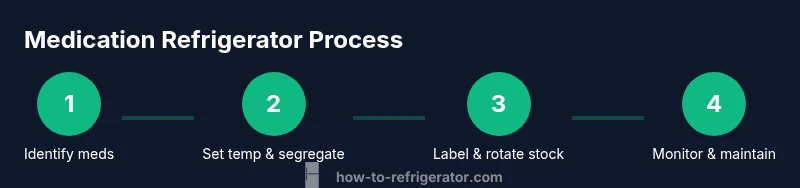
A structured daily routine saves time and reduces errors when accessing medications. Start by reviewing the current inventory: check expiry dates, confirm that each item has intact packaging, and separate any items that require strict handling (e.g., rapid insulin or biologics). Use clearly labeled bins or dividers to create zones for different medication types, preserving order and minimizing cross-contamination. When loading the fridge, place items with the soonest expiry date toward the front for easy rotation (first-expire, first-out).
Labeling is essential. Each item should display name, dosage, expiry, and storage notes. Keep an organized “access path” so caregivers or family members can locate meds without rummaging through other items. If you routinely retrieve medications at night, consider low-illumination labels or a small bedside tote to reduce the time the door remains open. Finally, never mix food and medications on the same shelf. This separation minimizes accidental contamination and simplifies cleaning campaigns.
A practical habit is to conduct a quick daily temperature check when you retrieve meds. If you notice temperature excursions, investigate the cause immediately—door left ajar, thermometer drift, or a fan obstruction—and record the incident in your log. Remember that some medications require refrigeration at all times; do not leave them exposed to room temperature for extended periods while handling other items.
The goal is consistent access without compromising safety. Clear labeling, deliberate organization, and routine checks minimize waste and keep medications effective when you need them most.
note”:null},
Maintenance and Cleaning Best Practices
Regular maintenance ensures the medication refrigerator performs reliably. Set a recurring reminder to clean the interior monthly and inspect door seals for gaps or cracks. Wipe shelves with a mild soap solution and rinse with clean water; avoid harsh chemicals that could leave residues on surfaces that come into contact with medicines. Remove and sanitize removable bins and shelves; dry completely before returning items. A quick quarterly wipe-down of gaskets and the interior light can prevent odor buildup and help the unit stay fresh.
Keep the door gasket clean and pliable. A stiff or cracked gasket can lead to temperature drift, which is especially problematic for insulin or vaccines. If the seal is compromised, replace it promptly or contact a professional technician. Use a dedicated bottle of thermometer-grade sanitizer for touchpoints only, to avoid cross-contamination of medicine storage areas.
Document cleaning dates and any observations in your log. If you notice persistent frost buildup, frost-free models often provide easier maintenance; if frost remains a recurring issue, you may need to defrost manually or consult a technician. A clean, well-maintained unit reduces the risk of spoilage and gives you confidence during medication management tasks.
note”:null},
Troubleshooting Common Problems
When your medication refrigerator isn’t performing as expected, start with simple, systematic checks. If items feel warmer than expected, confirm the door is sealing properly and that the fridge isn’t overloaded, which can restrict airflow. Frost buildup or ice on shelves may indicate a faulty defrost cycle, a dirty condenser coil, or a door left open for too long. Listen for unusual noises that may signal a failing fan or compressor—the cause could be a simple mechanical issue or a sign that professional service is needed. If the thermometer reads consistently out of range, reposition the appliance, check the ambient room temperature, and verify the thermometer itself is accurate.
Record each incident in your log, noting date, readings, and corrective actions. If you observe frequent excursions, do not attempt to improvise a temporary fix; instead, schedule service or consult the manufacturer’s guidance. For power outages, keep doors closed and relocate essential meds to a backup unit if available or to a cooler with ice packs for short interruptions. By keeping a careful log and following a consistent diagnostic approach, you can quickly identify recurring problems and reduce the risk of medication spoilage.
If you aren’t confident in diagnosing issues or replacing parts, seek professional help. The How To Refrigerator team emphasizes that timely intervention preserves medication quality and patient safety. Always prioritize professional support for issues that involve temperature control, seals, or electrical components.
note”:null},
Safety, Storage Rules, and Alerts
Safety rules for a medication refrigerator are straightforward but essential. Store medicines away from food and drinks, and use a separate unit or clearly labeled zone to avoid accidental consumption of non-medication items. Keep medications out of reach of children and pets, and ensure the storage area remains clean and organized. Maintain a running list of medications, dosing schedules, and expiry dates so caregivers can act quickly in emergencies. Use tamper-evident containers for certain prescriptions when recommended by your pharmacist, and dispose of expired items per local guidelines.
For immunizations and biologics, consider partnering with your healthcare provider to confirm storage requirements and update guidelines as needed. If you share a refrigerator with other household items, implement a strict labeling protocol and enforce a policy of no food in the medication zone. In case of label confusion or misplacement, contact the pharmacist for clarification before administration. Always document any changes to storage conditions or medication status to support ongoing safety and efficacy.
The core rule remains simple: consistent storage conditions, clear labeling, and disciplined inventory management protect health outcomes and reduce risk. If you’re ever unsure about a medication’s storage needs, consult your clinician or pharmacist rather than guessing. The goal is simple: reliable protection for every dose stored in your medication refrigerator.
note”:null},
Long-Term Planning: Backups, Power, and Insurance
Building a resilient system for medication storage begins with forward planning. Consider what you would do during a power outage or if the refrigerator fails unexpectedly. A small backup cooler with ice packs or a secondary backup unit can bridge short outages for critical meds like insulin or certain biologics. Maintain a digital inventory or a well-organized paper log that records item name, dosage, expiry, and storage notes. This makes it easier to conduct regular audits, reorder needs, and provide clinicians with accurate information during visits.
Establish a routine for monthly checks of seals, thermostat accuracy, and airflow. Consider a service contract or extended warranty for the refrigeration unit if you store high-value medications or require strict temperature control. Review your homeowner’s or renter’s insurance to confirm coverage for medication losses due to appliance failure, and keep receipts and model numbers handy for claims. If you’re storing insulin, vaccines, or other temperature-sensitive products, align your plan with local guidelines and your healthcare provider’s recommendations.
By integrating a robust backup plan with everyday best practices, you minimize risk and preserve medication integrity over the long term. The How To Refrigerator team recommends documenting contingency steps and periodically testing them to ensure you’re always prepared for unexpected events. This proactive mindset helps families maintain safety and continuity of care during busy seasons or emergencies.
note”:null},
Tools & Materials
- Thermometer with min/max memory(Digital probe with readout placed in the middle shelf; log daily readings.)
- Labeling supplies(Permanent marker, waterproof labels for expiry and dose notes.)
- Shelf organizers/bins(Clear bins to separate insulin, vaccines, and non-insulin meds.)
- Inventory tracking sheet(Digital or paper log to record items, dates, expiries.)
- Spill containment mats(Optional, helps keep shelves clean if a spill occurs.)
- Power surge protector(Useful for protecting the unit during spikes.)
- Backup cooler or mini-fridge(For outages or high-risk meds needing extra protection.)
Steps
Estimated time: 1-2 hours
- 1
Identify meds and requirements
Review every item that needs refrigeration by reading labels and patient information sheets. Create a quick inventory list and mark items that require strict cold-chain storage, such as insulin, vaccines, or certain biologics. This step clarifies scope before you start reorganization.
Tip: Record any special handling notes (e.g., avoid light exposure) next to the item on your inventory log. - 2
Choose placement and aisles
Select a location away from heat sources, direct sunlight, and foods. Use a dedicated shelf or bin for medications, ensuring enough air circulation around items. Keep the door closed as much as possible to minimize temperature fluctuations.
Tip: Avoid stacking items on the door shelves where temperature variation is greatest. - 3
Set and verify temperature controls
Set the fridge thermostat to the recommended range for general medicines and establish a routine check with a thermometer placed in the middle of the shelf. Confirm the thermometer reads within range for at least 24 hours before storing any meds.
Tip: Use a second thermometer during the first week to verify accuracy. - 4
Load meds with order and labeling
Organize items by expiry date (first-expire, first-out) and label each with the date opened, expiry, and dosage instructions. Use bins to prevent items from touching each other and to simplify cleaning.
Tip: When in doubt, prioritize items with shorter shelf lives at the front. - 5
Implement daily monitoring and logging
Check temperature once per day and log readings, noting any excursions and corrective actions. Keep the log accessible to caregivers or family members.
Tip: Set a reminder on your phone to ensure consistency. - 6
Schedule regular maintenance
Plan monthly interior cleanings, gasket inspections, and quarterly thermostat checks. Replace faulty gaskets and consult a professional for any electrical issues.
Tip: Use the same cleaner for all interior surfaces to avoid residue buildup.
FAQ
What is a medication refrigerator?
A medication refrigerator is a dedicated space or unit used to store medicines that require controlled cooling. It minimizes temperature fluctuations, protects drug potency, and supports safe access. Always follow manufacturer and clinician guidance for storage rules.
A medication refrigerator is a dedicated space for medicines that need cool storage to stay effective. Always follow the manufacturer’s guidance and your clinician’s advice.
Ideal fridge temperature for medications?
Most medications that need refrigeration benefit from a stable, cool range maintained within the manufacturer’s guidelines. Check each label, as some items may require tighter controls. Regularly verify with a thermometer and log results.
Most meds like to be kept cool at a stable temperature; check the label for specifics and monitor with a thermometer.
Can I use a regular kitchen fridge for meds?
A regular kitchen fridge can be used if it maintains a stable temperature and has a dedicated medical shelf or zone. Avoid storing medicines in moist fruit drawers and ensure the door isn’t opened frequently. For high-risk meds, consider a specialized medical fridge.
A kitchen fridge can work if it stays steady and has a dedicated space for meds; avoid frequent door openings.
How often should I check the temperature?
Do a quick daily check at the same time each day. Use an external thermometer and log the reading. If you notice excursions, investigate the cause and adjust placement or sealing as needed.
Check the temperature once a day, then log it and act quickly if you see any drift.
What to do during a power outage?
Keep the door closed to preserve cooling. If outages are long, move critical meds to a backup cooler with ice packs or use another refrigerated space if available. Recheck temperatures when power is restored.
During a outage, keep the door closed and use a backup cooler for critical meds if you have one.
Is insulin storage different from other meds?
Insulin typically requires refrigeration between 2°C and 8°C and should not be frozen. Always follow the insulin product’s label and consult your clinician if you’re unsure about storage conditions.
Insulin needs reliable cold storage and should not be frozen; follow the label and ask your clinician if you’re unsure.
Watch Video
Top Takeaways
- Keep meds in a dedicated space with clear labeling
- Monitor temperatures daily and log results
- Rotate stock using expiry dates to prevent waste
- Regularly clean and inspect seals to prevent drift
- Prepare for outages with backups and a documented plan