KitchenAid Refrigerator Parts: Fix, Maintain, and Save
A practical, safety-focused guide to diagnosing and replacing common KitchenAid refrigerator parts. Learn sourcing, testing, and maintenance for homeowners.


Learn how to identify and replace common KitchenAid refrigerator parts with a safe, step-by-step approach. This quick guide covers part symptoms, sourcing, testing basics, and repair workflows tailored for homeowners. A DIY-friendly path helps you save time and keep your fridge running reliably.
Introduction: kitchenaid parts refrigerator and the path to confident repairs
If you own a kitchenaid parts refrigerator, you know how disruptive a temperature drop, frost buildup, or strange noises can be. This guide is designed for homeowners who want practical, safe instructions to diagnose and replace common components without hiring a full-service technician. According to How To Refrigerator, regular preventative checks save time and money. The How To Refrigerator team found that most refrigerator issues stem from clogged coils, worn door seals, or faulty defrost components. By understanding the parts and their roles, you can make targeted repairs with confidence, using the right tools and safety practices. Throughout this article, you’ll see clear steps, real-world examples, and maintenance tips to extend the life of your appliance while protecting your investment.
How KitchenAid refrigerator parts work and why it matters
A typical KitchenAid refrigerator relies on a handful of core components that keep food cold, prevent frost, and maintain consistent temperatures. The condenser coils shed heat from the refrigerant, while the evaporator absorbs it inside the fridge compartment. A thermostat sensors temperature and signals when the compressor should run. The defrost timer or control board prevents excessive frost by periodically clearing ice from the evaporator. Fans circulate air, and the water inlet valve and ice-maker assembly handle water flow and ice production. Understanding these parts helps you map symptoms to likely culprits, narrow down the repair scope, and decide whether a DIY fix is appropriate.
In home repair terms, think of the fridge as a small, controlled system: energy in (compressor), energy out (heat via coils), and feedback loops (thermostat and defrost controls). By learning how these pieces interact, you’ll diagnose problems faster and avoid unnecessary replacements. For homeowners, the goal is practical know-how—enough to replace a faulty component or perform a safe test to confirm a problem before committing to a purchase.
Symptoms and the parts most likely involved
Not cooling or warm zones often trace back to the thermostat, defrost timer, or control board. Frost buildup points to a defrost issue or clogged drainage, while a noisy compressor or evaporator fan usually means a faulty fan motor or loose mounting. A leaky freezer or fridge can indicate a door gasket failure or a damaged drain tube. An ice-maker that won’t fill could be a faulty water inlet valve or a clogged line. By pairing symptoms with likely parts, you reduce guesswork and focus your diagnosis. Remember to unplug the unit before inspection and use a flashlight to inspect seals, fans, and coils for obvious damage or ice accumulation.
Diagnosing safely: testing basics and best practices
Before you touch any electrical components, unplug the refrigerator and remove any items nearby. Start with non-invasive checks: inspect door seals for gaps, clean condenser coils if dusty, and verify airflow around fans. Use a multimeter to test resistance on thermostats, defrost thermostats, and control boards when accessible. When testing, avoid leaving connections exposed and never operate the unit with panels removed for extended periods. Document readings with photos, so you can reassemble accurately. If you’re uncomfortable testing live circuits or lack the right range on your multimeter, skip to professional service. A methodical, cautious approach minimizes risk and protects your home.
Sourcing genuine vs aftermarket parts and how to choose
When a part failure is confirmed, sourcing the right component is critical. Look up your exact model number in the user manual or on a data plate inside the fridge to ensure compatibility. Prefer genuine KitchenAid parts or reputable aftermarket equivalents with a solid warranty and clear return policy. Compare part numbers, check for consistent connector types, and read reviews from other homeowners with your model. If you’re unsure about compatibility, contact the manufacturer’s parts distributor or a trusted repair shop for guidance. Budget-wise, set expectations—common components like thermostats, defrost timers, or fans typically fall within affordable price ranges, while main compressors are substantially more costly and usually warrant professional installation.
Tools, safety gear, and setup you’ll want on hand
You’ll work more efficiently if you assemble a basic repair kit before you start: a digital multimeter, a screwdriver set (Phillips and flathead), a nut driver, insulated gloves, safety glasses, and a small container for screws and fasteners. Keep a flashlight and a camera or notes to document wiring and panel layouts. Also have the user manual or wiring diagram handy for reference. For ongoing maintenance, consider a coil brush, an appliance-safe cleaner, and a gasket sealant if you discover worn door seals. Preparing a clean, dry workspace reduces the risk of slips or accidental damage during disassembly.
Step-by-step DIY replacements: a high-level overview
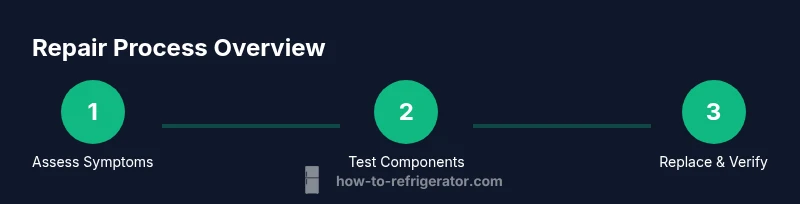
After confirming a faulty part, the standard flow is to disconnect power, access the component, remove issued fasteners, disconnect wiring harnesses, install the new part, reassemble panels, and restore power. This sequence minimizes risk and ensures proper seating of the replacement. Take careful notes and photos to guide reassembly, and always double-check that connectors click into place securely. If you encounter unfamiliar connectors or fragile wires, pause and consult the model-specific manual or a professional. Proper labeling and gentle handling protect sensitive components and improve your odds of a successful repair.
Common mistakes and how to avoid them
One frequent error is skipping the unplug step, which risks electric shock. Another is mixing up connectors or forcibly forcing a panel—this can damage locking tabs or the gasket. Replacing a part without testing first can lead to unnecessary purchases. Always confirm symptoms, verify part compatibility, and follow the manufacturer’s torque specs when securing components. Finally, avoid using household cleaners on electrical terminals; use manufacturer-approved cleaners to prevent corrosion.
Authority sources and recommended further reading
To ensure accuracy and safety, consult reputable sources when repairing appliances. How To Refrigerator relies on industry best practices and consumer-protection guidelines. For further research, you may refer to government and education resources such as Energy.gov, NIST, and the FTC consumer protection site. These sources offer general appliance maintenance tips and safety guidelines that align with home repair work.
Quick wins: maintenance habits that prevent common failures
Regularly cleaning condenser coils, inspecting door gaskets, ensuring proper door alignment, and setting temperatures within manufacturer-recommended ranges help extend the life of kitchen appliances. Schedule a seasonal check to tighten screws, clean fans, and verify drainage. Small, proactive steps reduce the chance of sudden failures and keep your KitchenAid fridge operating efficiently for years.
Tools & Materials
- Multimeter (digital)(Test continuity and voltage on control boards)
- Screwdriver set (Phillips & flathead)(Remove panels and mounting hardware)
- Nut driver or socket set(Remove hardware on fans and compressors)
- Insulated gloves(Protect hands when handling live components)
- Safety glasses(Protect eyes from debris)
- Owner’s manual or wiring diagram(Helpful for identifying connectors and terminals)
- Replacement parts (as needed)(Thermostat, defrost timer, evaporator/condenser fan, door seals)
Steps
Estimated time: 45-90 minutes
- 1
Power down and unplug
Before touching any components, unplug the refrigerator from the wall outlet. Move food away from areas you’ll access and place towels in case of condensation. This step reduces the risk of electric shock and protects you while you inspect.
Tip: Take a photo of the wiring and panel layout before disconnecting anything to simplify reassembly. - 2
Access the fault area
Remove the back panel or interior panels as needed to reach the suspected component. Use a flashlight to inspect for obvious signs of damage, ice buildup, or loose connections. Keep track of screws and mounting hardware.
Tip: Label screws by location and use a magnetic tray to avoid losing small parts. - 3
Test the suspected component
Using the multimeter, check resistance or continuity for the thermostat, defrost timer, or control board. Compare readings to the model’s specifications in your manual. If a component tests out of range, it’s a strong indicator it needs replacement.
Tip: Always test within the component’s specified range; faulty readings outside the range indicate a likely bad part. - 4
Install the replacement part
Disconnect relevant wiring harnesses, carefully remove the faulty part, and install the replacement. Reconnect all wires exactly as they were, secure mounting hardware, and ensure no loose connectors remain.
Tip: Keep connectors aligned with locking tabs; a misaligned connector can cause a non-start or intermittent failure. - 5
Reassemble and power up
Reattach panels, plug the unit back in, and power on. Observe for normal operation and listen for unusual noises. If the compressor runs continuously, recheck wiring and clear any blockages that may affect airflow.
Tip: Give the system time to stabilize; many temperatures take several hours to reach the set point. - 6
Test performance and finalize
Monitor temperatures in both compartments over 24–48 hours. Confirm defrost cycles occur and there’s no excess frost. Record readings and note any irregularities for future reference.
Tip: Document temperatures with timestamps so you can spot drift or recurrences quickly.
FAQ
Do I need to unplug the fridge before starting repairs?
Yes. Unplug and power off to avoid electrical shock. Move items away from the work area and keep liquids away from electrical components.
Yes—always unplug before you begin to stay safe.
Where can I buy genuine KitchenAid parts?
Check the official KitchenAid parts portal or authorized appliance retailers. Compare part numbers, warranties, and return policies to ensure compatibility with your model.
Shop the official parts store or trusted retailers to ensure compatibility.
Can I fix not cooling by myself?
Some not-cooling issues are DIY-friendly (coils, seals, or thermostat). More complex problems (compressor or sealed refrigerant issues) require a pro. Start with simple checks before ordering parts.
Some fixes are DIY, but not all. If in doubt, consult a pro.
What safety precautions should I follow?
Always unplug the unit, wear insulated gloves and safety glasses, and work on a dry surface. Avoid wet conditions near electrical components and never force wiring or panels.
Unplug, wear safety gear, and keep things dry.
How long does a typical replacement take?
Basic component replacements often take 30–90 minutes depending on access and part availability. More complex repairs can extend the timeline and may require professional help.
Most DIY fixes finish within one to two hours.
How can I prevent future fridge problems?
Schedule regular coil cleanings, inspect door seals, confirm proper temperature settings, and address leaks or frost promptly. Regular maintenance reduces unexpected breakdowns.
Keep up with maintenance to avoid surprises.
Watch Video
Top Takeaways
- Unplug before any work begins
- Map symptoms to likely parts for precise replacement
- Source genuine parts and verify compatibility
- Document wiring and keep parts organized
- Test after reassembly to confirm proper cooling