Is It Okay to Marinate Chicken Without a Refrigerator?
Learn safe, practical guidance for marinating chicken when a refrigerator isn’t available. This How To Refrigerator guide covers temperature control, safe timeframes, cooling strategies, and actionable steps to cook safely, with expert tips and real-world scenarios.


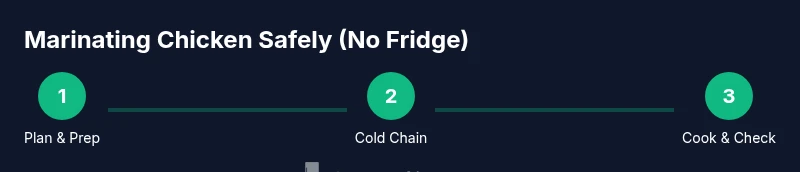
Is it safe to marinate chicken without a refrigerator? The quick answer is that it’s only advisable under strict cooling controls and short timeframes. If you must proceed, use a sealed container inside an insulated cooler with ice packs and cook the chicken promptly. Avoid room-temperature marinating for extended periods, and discard any marinade that touched raw chicken if it cannot be kept cold.
Why Temperature Control Matters for Marinating Chicken
Temperature control is the cornerstone of safe marinating. When you marinate chicken, you are not just infusing flavor; you are providing a time window during which microbes can grow if the meat is warm. The danger zone for bacterial growth is commonly understood to be between 40°F (4°C) and 140°F (60°C). If you ask is it okay to marinate chicken without refrigerator, the answer depends on how long the meat stays in that zone and how cold the environment remains. According to How To Refrigerator, the safest approach is to minimize the exposure time of raw chicken at room temperature and to keep everything cold until you’re ready to cook. In practical terms this means planning your steps, choosing a marinade that won’t encourage rapid bacterial growth, and using a reliable cooling method if a fridge isn’t available. Even small differences in temperature can change risk levels, so if you are outdoors, in a warm kitchen, or traveling with a cooler, you must tighten every control you have. In addition to temperature, cleanliness matters: wash hands and utensils, sanitize surfaces, and avoid cross-contamination by keeping raw chicken separate from ready-to-eat foods. The intent of this guidance isn't to scare you away from marinating; it’s to empower you to make safe choices when refrigeration isn’t possible.
Safe Marinating Windows and Temperatures
Safe marinating without a refrigerator requires discipline. The core rule is to limit the time raw poultry spends in the heat danger zone and to maintain the cold chain as much as possible. If you don’t have reliable refrigeration, plan to marinate only for short windows, ideally under one to two hours depending on ambient temperature. In moderate-room temperatures (around 68-72°F / 20-22°C), two hours may be acceptable, but in warmer environments (above 80°F / 27°C) you should aim for one hour or less. When you're using a cooler, fill it with ice and keep the bags of chicken fully submerged in cold packs, checking the temperature with a thermometer if possible. If the ambient temperature is guaranteed to stay above 90°F (32°C), the window shrinks even further. The marinade itself should be kept under 40°F when possible; if you are marinating in a cooler, ensure the ice packs are replaced as needed to maintain cold conditions. Remember that the marinade is likely to become contaminated after contact with raw chicken, so treat it as raw juice and discard or boil thoroughly if you plan to reuse. These practical checks align with recommended practices from How To Refrigerator Analysis, 2026.
Choosing Marinades That Ride the Line Safe Without Refrigeration
When refrigeration isn’t available, the ingredients you choose can either help you stay safe or increase risk. Salt-based or oil-rich marinades with a stable emulsion can slow microbial activity, but they do not eliminate bacteria, so timing matters. Avoid dairy-heavy marinades at room temperature and be wary of high-protein bases that spoil quickly. Acidic components like lemon juice or vinegar can slow surface growth temporarily, yet they won’t render raw poultry safe if kept warm for long. If your marinade contains dairy, raw egg, or dairy-based sauces, consider skipping them when a fridge isn’t available. Use non-reactive containers such as glass, ceramic, or BPA-free plastic to avoid chemical reactions with salty or acidic marinades. Portion control helps, so marinate smaller amounts at a time rather than one large batch. Finally, ensure your cooking plan stays aligned with temperature guidelines: marinate only as long as you can keep the meat cold, and cook until the internal temperature reaches 165°F (74°C). These recommendations reflect the cautious approach recommended by How To Refrigerator Analysis, 2026.
Practical Strategies When You Have No Refrigerator
You can still marinate chicken safely without a refrigerator by combining careful planning with reliable cooling. First, buy the freshest chicken you can find and keep it in a sealed container until you’re ready to marinate. Second, use an insulated cooler with ice packs; fully submerge the marinating bag and replace ice as needed to maintain a cold environment. Third, set a strict marinating window based on ambient temperature and avoid extending beyond the recommended limits. Fourth, cook the chicken promptly after marinating; do not leave marinated chicken sitting out after the recommended window. Fifth, if you must reuse marinade, boil it for several minutes to kill surface bacteria, or discard and prepare fresh marinade. Finally, keep all surfaces and utensils clean and separate from ready-to-eat foods to prevent cross-contamination. By following these steps, you’ll align with best practices and keep safety front and center, even when refrigeration isn’t available. Recognize that conditions vary; if you’re in a warm kitchen or outdoors, shorten marinating times and prioritize cooking. How To Refrigerator’s guidance emphasizes practical, safety-first decisions that protect your family.
Tools & Materials
- Food-grade zipper bags(Place chicken and marinade in bag; double-bag for extra safety)
- Insulated cooler with ice packs(Maintain cold environment; check temperature regularly)
- Digital thermometer(Check chicken internal temp and, if possible, surface temp of the marinade)
- Cutting board and sanitized knife(Dedicated to raw chicken; sanitize after use)
- Non-reactive container (glass/ceramic) or BPA-free plastic(Alternative to bags; ensure sealed)
- Fresh chicken (whole or cut pieces)(Keep cold until ready to marinate)
- Marinade ingredients (salt, oil, spices, acids)(Keep safety in mind; avoid dairy-heavy bases without fridge)
- Ice packs or extra ice(To maintain cold environment in the cooler)
Steps
Estimated time: 2-3 hours
- 1
Assess environment and plan timing
Evaluate whether you have a reliable cooling method. If the ambient temperature is high or you cannot maintain cold conditions, shorten the marinating window and plan to cook promptly. Decide on the marinade type and portion size to minimize exposure to warmth.
Tip: Start with a clearly defined time window before you begin, and stick to it. - 2
Prepare chicken and marinade ingredients
Wash hands, sanitize surfaces, and gather chicken, marinade components, and containers. Cut chicken into uniform pieces to ensure even marination and faster cooking later. Label the bag or container with the marinating time window.
Tip: Keep raw chicken cold during preparation to reduce bacterial growth risk. - 3
Pack chicken in marinade in bag/container
Place chicken in a sealed bag or non-reactive container and pour the marinade over it. Remove as much air as possible from the bag to ensure even contact with the meat.
Tip: Seal securely; double-bag if you’re using a bag system to prevent leaks. - 4
Chill in cooler with ice packs
Submerge the sealed bag or container in the cooler, surrounded by ice packs. Monitor temperature with a thermometer if possible and replace ice as needed to keep the environment cold.
Tip: Keep the bag fully submerged; avoid letting it rest on warm surfaces. - 5
Cook promptly and verify doneness
Transfer the marinated chicken to a preheated pan or grill and cook until the internal temperature reaches 165°F (74°C). Use a thermometer for accuracy and allow resting time if needed.
Tip: Do not leave marinated chicken at room temperature after cooking; serve promptly. - 6
Handle marinade and leftovers safely
If you plan to reuse marinade, boil it for several minutes to kill surface bacteria, or discard it. Clean all utensils and surfaces thoroughly to prevent cross-contamination.
Tip: Dispose of any marinade that touched raw chicken if you’re unsure about safety.
FAQ
Is it safe to marinate chicken at room temperature?
Not ideal; there are risks of bacterial growth. If you cannot refrigerate, limit the time in the danger zone and use a cooler with ice, cooking promptly.
Marinating at room temperature isn’t ideal. If you must, keep it brief and cook the chicken promptly.
Can I reuse marinade that touched raw chicken?
Do not reuse raw-marinated marinade unless you boil it for several minutes to kill surface bacteria. If in doubt, discard.
Don’t reuse raw marinade unless you boil it first to kill bacteria.
How long can chicken marinate without refrigeration?
Aim for under 1-2 hours at room temperature; shorter in hot weather. If possible, marinate in a cooler with ice.
Keep it short: under one to two hours at room temp, shorter if it’s warm.
What containers are best for marinating without a fridge?
Use non-reactive containers like glass, ceramic, or BPA-free plastic. Avoid reactive metals with acidic marinades.
Glass, ceramic, or BPA-free plastic works best; avoid metal that can react with acidic marinades.
What should I do if the room is very warm and I have no fridge?
Use a cooler with ice, marinate only briefly, and cook immediately. If in doubt, discard the marinade and start fresh.
In a very warm room, keep marinating very short and cook right away.
Watch Video
Top Takeaways
- Keep chicken cold at every step.
- Limit room-temp marinating to safe windows.
- Cook to 165°F (74°C) and verify with a thermometer.
- Discard or boil used marinade; avoid cross-contamination.