Move a Refrigerator in Tight Spaces: Step-by-Step Guide
Learn how to safely move a refrigerator out of a tight space with a practical, step-by-step plan. Prep, gear, techniques, and safe reinstallation tips from How To Refrigerator.


You’ll learn how to safely move a refrigerator from a cramped corner by planning the route, prepping the appliance, and using proper equipment. This guide covers power and water disconnects, protective gear, and a clear, step-by-step plan to get the fridge out without damage. Safety and planning come first for a smooth relocation.
Why moving a refrigerator out of tight space matters
Moving a refrigerator from a cramped corner isn’t just about making the house look easier to navigate. It’s about safety, preserving the appliance’s seals and components, and preventing collateral damage to floors, walls, and doorframes. A miscalculation can cause the unit to tip, crush cords, or gouge baseboards, especially if it’s a heavier model or has a water line or ice maker. The How To Refrigerator team emphasizes that planning a safe extraction plan reduces risk and stress. A deliberate approach also minimizes the chance of refrigerant issues or compressor strain that can occur when an appliance is forced through a narrow opening. With the right mindset and preparation, you can relocate most standard refrigerators from tight corners without professional help, provided you follow a proven sequence and keep the work area clear and dry. This section sets the foundation for a safe move by detailing why care matters and what you’ll gain from a methodical plan.
Assess the space and plan your route
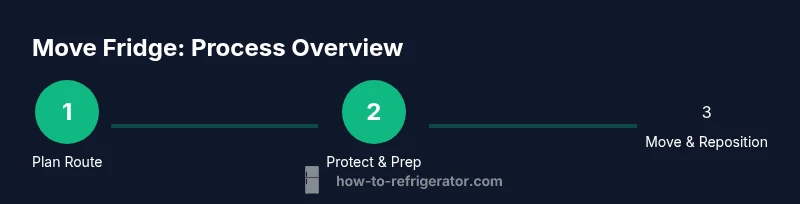
Before touching the fridge, measure and map the area. Note the fridge’s width, height, and depth, then compare to doorway and hallway clearances. If possible, sketch a simple path from the current position to the destination, marking obstacles such as cabinets, shelves, or decorator trim. Consider door swings and whether you can pivot the unit to pass through openings; allow a few inches of clearance around the appliance for hands, straps, and moving sliders. It’s not just the fridge you must protect—your floors, walls, and nearby furniture matter too. According to How To Refrigerator analysis, precise measurements and a clearly defined turning sequence reduce the need for repositioning mid-move. Prepare a Plan B in case the object won’t fit through a doorway, such as temporarily removing a door from its frame or disassembling a hinge if you’re confident in the technique.
Protect the fridge and your home during the move
Disconnect power and water lines if you have an ice maker or water dispenser, and remove all contents to reduce weight and prevent spills. Clean up any frost buildup or residual condensation to prevent slipping or staining during transport. Protect the floors with thick moving blankets or contractor-grade mats, and place a layer of cardboard or painter’s tape to minimize scuffing. Use corner guards or plywood shields where the appliance could contact baseboards or walls. If shelves are loose, remove them or secure them so they don’t shift during movement. Enlist a second pair of hands if possible, and communicate clearly to avoid sudden pulls or turns. The goal is a clean path, secure grip, and minimal friction—sliders or an appliance dolly can dramatically reduce effort and protect the finish.
Tools, equipment, and setup for a safe move
Set up a clear, dry workspace with ample lighting. Lay down protective coverings across every surface the fridge will contact. Have a helper ready to guide and a spotter to watch for obstacles. Prepare a dolly rated for appliance weight, several moving sliders or furniture sliders, thick protective pads, and sturdy ratchet straps if needed. Tape and marker can help label cords and straps. A broom or mop can remove dust, keeping the path clear. For homes with narrow doors, consider a flexible tool such as a strap-around handle to maintain a solid grip without fingers slipping. The right combination of equipment reduces risk and makes the move smoother, especially when weight shifts occur during turning.
Step-by-step extraction strategy (high-level)
Plan a two-person approach with defined roles: one guides the movement while the other monitors the path and protects walls. Remove doors or trim if needed to gain width, then position the dolly or sliders under the fridge from the side to maintain balance. Secure the appliance with straps, ensuring even weight distribution. Test a small forward/backward motion to confirm stability before full movement. Move slowly, pausing to check for obstructions and floor protection. If resistance increases at a threshold, stop, reassess, and adjust your route or technique. Finally, maneuver the fridge out of the cramped area and set it on a prepared surface or along the intended path. The emphasis is on control, communication, and maintaining a straight line to prevent tipping.
After-move checks and reinstall
Once the fridge is clear of the tight space, inspect the area for scratches or damage and remove any protective coverings. Reposition the appliance on the new floor area, and ensure it’s level and stable. Reconnect power and water lines only after you confirm there are no kinks or leaks and the floor is dry. Allow the compressor to settle for 2–4 hours before loading contents back in and plugging in if you moved the unit a long distance. Clean the exterior and check door seals for gaps. If you moved the fridge through a doorway, re-check the door swing and ensure ventilation clearances meet manufacturer recommendations. After this process, monitor the fridge for normal operation and any unusual noises or temperature fluctuations.
Common mistakes to avoid
- Rushing through corners or forcing the fridge through tight spaces without clearance. This increases the risk of tipping and floor damage. - Not unplugging or disconnecting water lines where applicable, which can lead to leaks or water damage. - Skipping floor protection, leading to scratches or marks on wood, tile, or carpet. - Lifting with a curved back or using poor posture that strains the spine. - Wrapping cords or hoses around the unit, which can snag and cause a fall. Following a cautious, measured plan and using the right protective gear dramatically reduces these risks and helps preserve your fridge’s integrity.
Tools & Materials
- Appliance dolly (rated for fridge weight)(Prefer a dolly with wide base and locking wheels)
- Heavy-duty moving sliders or furniture sliders(Avoid cheap plastic sliders that skid on slick floors)
- Thick moving blankets or floor mats(Cover doors and top edges to prevent dings)
- Cardboard or plywood sheets(Place under sliders for additional floor protection)
- Protective door props or wedges(Useful to prevent doors from swinging when moving through doorways)
- Tape, markers, and labels(Label cords and straps; mark the planned path)
- Gloves and non-slip footwear(Protect hands and improve footing on slick surfaces)
- Screwdriver or basic tool kit(Optional for removing doors or panels if needed)
Steps
Estimated time: 60-90 minutes (excluding heavy planning or disassembly needs)
- 1
Power off and unplug
Locate the appliance’s cord and unplug it from the wall outlet. If there’s a water line, shut off the supply valve to prevent any leaks during the move. This step protects both the electrician and your floors from accidental contact with live current or water.
Tip: Keep the plug and cord away from the moving path to avoid tripping or snagging. - 2
Empty and secure the interior
Remove all perishable items and loose shelving. If the fridge has ice in the freezer and you’ll be moving a long distance or over a bumpy surface, consider a brief defrost, then wipe down any moisture. Secure doors with tape or rope so they don’t swing.
Tip: Avoid loading hot foods; keep the interior cool to prevent condensation during transport. - 3
Disengage water lines and ice maker
If your model has a water line or ice maker, disconnect the line at the back of the unit and cap the line to prevent leaks. Have towels ready for any residual drips. If you're not confident, consult the user manual or a professional.
Tip: Always turn off the water supply first to prevent backflow. - 4
Remove doors if necessary for width
If the fridge is too wide to pass through the doorway, carefully remove the doors or loosen hinge screws (only if you’re comfortable). Label parts and keep the screws in a bag for reassembly. This step creates extra clearance without forcing the unit.
Tip: Take photos of the hinge alignment before removing parts for easier reinstallation. - 5
Set up the moving route with protective gear
Lay down the blankets, mats, or cardboard along the entire path. Position the dolly at the front or side as appropriate and attach sliders under the fridge. Communicate clearly with your helper and verify the path is free of obstacles.
Tip: Test balance with a gentle nudge before applying full force. - 6
Move slowly and maintain balance
Roll the fridge out of the tight space with controlled, short pushes. Keep a low center of gravity by bending at the knees and using leg strength. If the fridge binds, reassess the route and pivot angles carefully rather than forcing movement.
Tip: Have a spotter watch corners and door frames for contact and clearance. - 7
Reposition and reinstall after exit
Once the unit is clear, remove any protective coverings and re-check the level. Reconnect power and refill water lines only after the floor is dry and the area is clean. Allow a stabilization period before placing contents back inside.
Tip: Check door seals and adjust leveling feet to prevent springing or rocking.
FAQ
Do I need to unplug the refrigerator before moving it?
Yes. Unplug the unit and, if present, disconnect any water lines to prevent leaks during transport. Make sure the area is dry and free of clutter before starting.
Yes. Unplug the fridge and disconnect water lines if you have an ice maker. Keep the area dry and clear before moving.
Can I move a fridge without removing its doors?
It’s possible if you have enough clearance to pass through all doorways. If not, removing doors or hinges can provide the needed width, but only if you’re comfortable and have a plan to reassemble correctly.
It can be done with doors on if there’s enough clearance; otherwise, removing doors may be necessary.
What should I do if the fridge doesn’t fit through a doorway?
Pause and reassess. You may need to remove doors, trim, or re-route via another opening. If you’re unsure, consult a professional to prevent damage.
If it won’t fit, stop and reassess. Consider removing a door or seeking professional help.
How long should I wait before plugging the fridge back in after moving?
Wait 2–4 hours to allow refrigerant oils and fluids to settle after movement. Then plug in and monitor for proper operation.
Wait a couple of hours after moving before plugging back in to let things settle.
What safety gear is recommended for moving a fridge?
Wear non-slip shoes, gloves, and use protective pads or blankets. Clear communication with your helper is also essential.
Wear non-slip shoes, gloves, and protect the floor; talk through each step with your teammate.
Watch Video
Top Takeaways
- Plan the route before touching the fridge
- Protect floors and walls with blankets and mats
- Disengage water lines and unplug safely when applicable
- Use a dolly and sliders to reduce effort and risk