How to Move a Refrigerator: A Safe Step-by-Step Guide
Learn step-by-step how to move a refrigerator safely, from planning and gear to reinstalling in a new spot. Practical tips, safety warnings, and maintenance after relocation from How To Refrigerator.


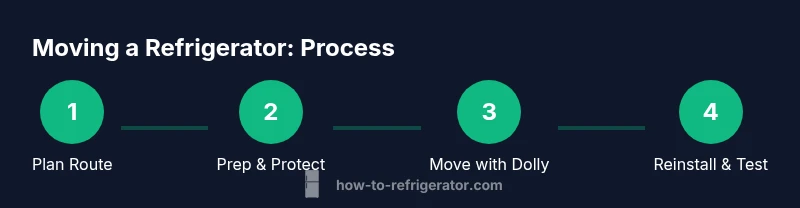
Goal: Move a refrigerator safely by planning the route, emptying and securing the unit, and reinstalling it level in the new space. Start with measurements of doorways and the path, unplug the appliance, and defrost if needed. Use a dolly or moving straps and recruit a helper for heavy lifts. Follow this step-by-step guide to avoid damage or injury.
Planning Your Move
Planning ahead is the foundation of a safe relocation. Before any physical action, map out the route from start to finish. Measure doorway widths, stair heights, and hallway turns to determine whether the fridge will fit upright or if you need to remove doors. Check the weight distribution and sketch a rough plan for lifting points. According to How To Refrigerator, thorough planning reduces risk and helps you choose the right moving equipment. The How To Refrigerator team found that space constraints and insufficient preparation are the most common culprits during relocation, so start with a solid plan that covers every turn and doorway.
Gearing Up: Tools and PPE
Equip yourself and your helper with the right tools and PPE. Wear closed-toe shoes with good grip and use gloves for a secure grip. A two-person approach is ideal for heavy lifting; use a sturdy appliance dolly, moving straps, and thick moving blankets. Keep a tape measure handy for final clearance checks, and have a screwdriver set (Phillips and flathead) ready in case you need to remove doors or hinges. Using the appropriate gear reduces back strain and minimizes the risk of damaging walls, floors, or the fridge itself.
Preparing the Fridge: Unplug, Empty, Secure
Before moving, unplug the fridge and allow interior moisture to settle if it has any. Remove shelves and heavy items from drawers to prevent shifting during transport. Secure doors with reusable straps or painter’s tape to keep them closed, but avoid tying through handles in a way that could damage gaskets or decor. If your model has an ice maker or water dispenser, disconnect the water line according to the manufacturer’s instructions and drain excess water to prevent leaks. This preparation helps protect both the appliance and your surroundings.
Protecting Floors and Surfaces
Protect floors and surfaces along the path to the new location. Lay down thick moving blankets, cardboard, or plywood to create a smooth barrier between the fridge and floor. Use tape or non-slip mats at stair landings and door thresholds to prevent shifting. When turning corners, keep the dolly’s casters aligned with the path and move slowly to maintain balance. Proper protection minimizes scratches, scuffs, and accidental damage to the fridge and home.
Lifting and Moving Techniques
Move the fridge with a planned two-person lift pattern: one person guides while the other supports the base with the dolly. Always keep the load close to your body to minimize back strain and never twist your torso while lifting. Use moving straps to stabilize the unit and prevent tipping as you roll over small thresholds or carpets. Communicate clearly with your helper and take breaks as needed to maintain control and safety.
Handling Doors and Hinges
If the fridge won’t fit through a doorway, removing one or both doors can be the difference between a successful move and a failed attempt. Prior to removal, unplug the unit and document any wiring or hinge hardware for reinstallation. Use a screwdriver as needed to detach hinges, then label parts for easy reassembly. Reattach doors on the other side or in the new location, ensuring smooth operation and proper gasket alignment.
Reinstalling in the New Location: Leveling and Spacing
Position the fridge in the final spot with at least a few inches of clearance on all sides for air circulation and door swing. Use a level to check that the unit sits evenly on the floor; adjust the leveling legs as needed. Reconnect the water line if applicable and ensure no leaks. Keep the refrigerator away from heat sources and direct sunlight, and verify that there’s adequate ventilation around the condenser coils.
Electrical and Ventilation Considerations
Before plugging in, confirm the power outlet is convenient and capable of handling the fridge’s load. Do not plug in immediately after moving; allow the appliance to settle upright and the coolant to re-stabilize. When power is restored, listen for a consistent hum and check that the compressor runs smoothly without unusual noises. Adequate ventilation around the condenser coils helps maintain energy efficiency and prevents overheating.
Testing and Final Checks
After reconnecting power, run a normal cycle and listen for odd noises. Check door seals for tightness and ensure there are no leaks in the water line if you have an ice maker. Confirm that the unit cools to the desired temperature within a reasonable time. If you notice issues, unplug and reassess the installation before continuing to use the fridge.
Common Pitfalls and How to Avoid Them
Common mistakes include rushing through doorways, skipping floor protection, and failing to secure doors properly. Always plan a clear route, protect surfaces, and two-person lift where possible. Double-check that doors and hinges are properly reattached, and avoid tipping the fridge onto its side, which can cause compressor or coolant damage.
Maintenance After the Move
Once in place, wipe down the exterior and interior, and reorient the fridge to allow for proper airflow. Clean the condenser coils if accessible to maintain efficiency. Monitor performance for the first 48–72 hours and adjust temperature settings if needed. Regularly inspect door seals and water connections to prevent leaks and ensure long-term reliability.
Tools & Materials
- appliance dolly(Sturdy, rated for fridge weight; use two people)
- moving straps(For stabilization and lifting assistance)
- moving blankets / furniture sliders(Protects floors and fridge surfaces)
- floor protection (cardboard/plywood)(Lay along entire route)
- tape measure(Final clearance checks)
- screwdriver set (Phillips & flathead)(Door/hinge removal if needed)
- gloves and closed-toe shoes(Personal protection)
- level(Ensure proper leveling after move)
- padded straps or rope (optional)(Extra securing option if needed)
Steps
Estimated time: 90-120 minutes
- 1
Assess the route
Measure all doorways, hallways, stairs, and landing widths. Identify potential chokepoints and plan alternate paths if needed. Confirm the fridge fits upright through every obstacle before moving.
Tip: Mark a clear path with tape to prevent last-minute detours. - 2
Gather helpers and equipment
Assemble your two-person team and gather the dolly, straps, blankets, and floor protection. Brief your helper on the plan and assign lifting points for balance.
Tip: Do a quick dry run with an empty box to rehearse the move. - 3
Prepare the fridge
Unplug the unit and remove shelves if possible. Secure doors with tape or straps, and disconnect any water line following manufacturer guidance.
Tip: Keep the fridge upright during prep to avoid internal damage. - 4
Protect the floor
Lay down moving blankets and cardboard along the entire route and at each turning point. Ensure a smooth surface for the dolly wheels.
Tip: Pad sharp corners and thresholds to avoid snagging or tipping. - 5
Begin moving
Position the dolly under the fridge base, tilt slightly, and slide onto the wheels. Keep the load close to your body and maintain a slow, steady pace.
Tip: Keep communication constant with your partner. - 6
Navigate turns
Roll slowly around corners, with one person guiding and the other stabilizing. Stop if you feel resistance or a wobble.
Tip: Take small increments when turning to prevent tipping. - 7
Door removal (if needed)
If space is tight, carefully remove one or both doors per hinge. Recheck alignment and note how hinges were attached.
Tip: Label hardware to simplify reassembly. - 8
Position and level
Place the fridge in its final spot, then level the unit and verify clearance around vents.
Tip: Avoid placing directly against walls; allow airflow. - 9
Reconnect power
Reconnect any water line if used, and plug the fridge back in. Avoid powering on until the interior has stabilized.
Tip: Listen for normal compressor sounds and check for leaks. - 10
Test operation
Run a cooling cycle and monitor temperatures. Inspect seals and doors for proper closure.
Tip: Keep a short term log of temperatures for the first 24 hours. - 11
Final checks
Inspect for leaks, ensure level, and confirm spacing from walls. Clean surfaces and store tools.
Tip: Take photos of final setup for future reference. - 12
If issues arise
If you notice unusual noises, heat, or leaks, stop and reassess before continuing.
Tip: When in doubt, consult a pro for safety.
FAQ
Do I need to unplug the fridge before moving?
Yes. Unplug the fridge before moving and disconnect any water lines per the manufacturer’s instructions. Let interior items settle and remove shelves to reduce weight.
Unplug the fridge and disconnect any water line before moving. Remove shelves to reduce weight.
Can I move a fridge by myself?
Moving a refrigerator alone is risky due to weight and balance. If you have a solid plan and a secure path, you may manage with a dolly, but a second person greatly improves safety and control.
Moving a fridge alone can be risky; two people is best for safety.
Should I remove doors for narrow passages?
If clearance is tight, removing doors can help. Follow hinge removal steps, label all parts, and reattach in the new location with proper alignment.
Door removal can help fit through tight spaces. Label parts and reattach properly.
How long should I wait before plugging in after moving?
Wait until the unit is upright and settled; avoid powering on immediately after the move to prevent compressor strain. Follow the manufacturer’s guidance if available.
Let the fridge settle upright before plugging in. Don’t power it on right away.
What if the fridge doesn’t fit the new space?
Reassess the route and final position. If clearance remains insufficient, consider professional disassembly or alternate placement to avoid damage.
If it won’t fit, reassess and consider professional help to avoid damage.
Is it safe to tilt during moving?
Only tilt as needed to pass obstacles; avoid tipping more than necessary, as excessive tilt can harm the compressor and coolant lines.
Tilt only as needed; avoid excessive tilt to protect internal components.
Watch Video
Top Takeaways
- Plan before lifting to prevent surprises
- Use proper gear and a helper for safety
- Protect floors and surfaces throughout
- Secure doors and remove obstacles before moving
- Level the fridge after relocation for best performance