Boson Side by Side Refrigerator: Troubleshooting & Maintenance Guide
Step-by-step troubleshooting and maintenance for Bosch side by side refrigerators to keep temperatures stable, seals tight, and water/ice dispensers working reliably.


With this guide, you will learn how to diagnose common issues, perform routine maintenance, and safely restore performance on a Bosch side by side refrigerator. You'll verify temperature accuracy, inspect seals, and clear drainage with step-by-step actions. By following these Bosch-focused steps, homeowners can save time and avoid unnecessary service calls.
Understanding Bosch Side by Side Refrigerators
Bosch side by side refrigerators are designed to balance generous storage with convenient access. In these models, the fridge and freezer are positioned side by side, often featuring adjustable shelves, humidity-controlled drawers, LED lighting, and integrated water and ice dispensers. Model variations determine whether features such as dual evaporators, smart sensor cooling, or energy-saving modes are included, but the core goals remain the same: precise temperature control, reliable airflow, and easy organization. If you own a Bosch side by side, knowing your model number helps when checking maintenance intervals and ordering filters or replacement parts. Look inside the refrigerator wall, on the crisper drawer, or on a label near the door hinge for the serial/model information. The How To Refrigerator team emphasizes that regular care—like keeping the doors fully closed, avoiding overpacking shelves, and cleaning coils or vents as needed—greatly improves performance. Bosch’s reputation for robust build quality means attentive routine maintenance often yields long service life with lower energy use.
Diagnosing Temperature Issues
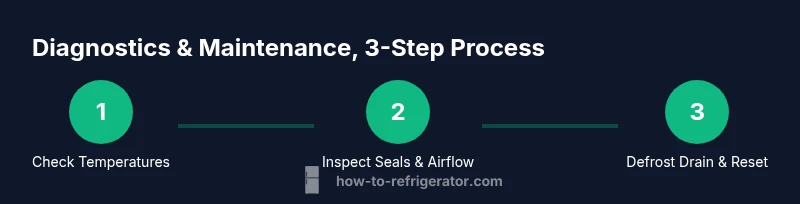
Temperature problems are common and often easy to fix with basic checks. Start by confirming the thermostat is set to a typical cooling range and that the control panel is responsive. Next, inspect the door seals for gaps, tears, or debris that might let warm air in. Make sure air vents inside the refrigerator are not blocked by tall containers, and that the freezer and fridge compartments have adequate airflow. Check the condenser coils on the back or bottom of the unit and clean any dust or lint that reduces heat transfer. If you have a digital thermometer, place it in the middle of the fridge and monitor over 24 hours; note if readings drift higher or lower than the target range. Also verify the door is fully closed and the gasket forms a tight seal when the door is pressed. If temperatures remain off after these checks, the issue may involve a faulty sensor, a failed fan, or a control board, in which case professional service is recommended.
Water Dispenser and Ice Maker Troubleshooting
Water and ice functionality is a common pain point. Start by verifying the water supply line is on and the valve under the sink or behind the fridge is open. If water flow is weak or absent, check the water filter and replace if needed, following Bosch’s guidelines for your model. Inspect the ice maker bin and the fill cup for obstructions; remove ice cautiously if it appears stuck. Ensure the ice maker arm or paddle moves freely and is not blocked by frost. If your dispenser dribbles or leaks, inspect the door dispenser area for a loose panel or misaligned cover. After any filter change or ice maker service, run a full cycle to verify proper function and check for leaks or unusual sounds.
Defrost Drain and Frost Buildup
Frost buildup in the freezer or moisture inside the fridge can block airflow and cause uneven cooling. Locate the defrost drain behind the back wall of the freezer or under a removable panel. If you see frost around the drain, gently warm the area with a hair dryer on a cool setting or run warm water through the tube using a funnel; catch drips in a tray to avoid spills. Do not force objects into tubes. After thawing, flush the drain with a small amount of warm water to ensure only a light film remains. Recheck the drain over the next 24 hours to confirm it remains open. In some Bosch models, automatic defrost reduces frost but occasional manual attention is still helpful.
Door Seals, Gaskets, and Energy Efficiency
Inspect door seals for cracking, stiffness, or dirt that can impede a tight seal. Clean with a mild soap solution and a soft cloth, then dry thoroughly. If a seal is damaged, replace it following your model’s instructions or contact service. A loose seal can make the fridge work harder, increasing energy use and creating frost or moisture issues. For best results, close the door gently and ensure items near the door aren’t pushing against the gasket. This routine helps preserve energy efficiency and keeps temperatures more stable.
Routine Maintenance Schedule
Create a simple maintenance calendar to keep your Bosch side by side performing at its best. Monthly tasks include cleaning shelves, wiping gaskets, and checking the interior temperature with a thermometer. Every 3–6 months, inspect and clean condenser coils if accessible and replace the water filter according to the manufacturer’s recommendations. At least once a year, review the service manual for model-specific maintenance items, and have a professional inspect the cooling system if you notice persistent temperature issues. Keeping a log of maintenance activities makes it easier to spot trends over time.
Safety Considerations and Reset Procedures
Safety should guide every maintenance step. Always unplug the unit before removing doors, panels, or attempting any electrical inspection. If you perform a reset, first unplug for a few minutes to discharge capacitors, then plug back in and re-set the temperature controls. If the display is unresponsive after a power outage, follow the user manual’s reset procedure; avoid dismantling the control board. Keep children and pets away during maintenance, and use non-slip mats to prevent slips on wet floors. When in doubt, consult the Bosch support resources or a qualified technician.
Bosch Genuine Parts and Service Options
Using genuine Bosch parts helps maintain performance and warranty coverage. When replacing components such as door seals, fans, or sensors, source parts through official Bosch channels or authorized distributors. Document model and serial information to ensure compatibility. If your unit is under warranty or you’re unsure about the repair scope, contact Bosch support or a qualified appliance technician. Regular professional service complements homeowner maintenance and can catch issues early, reducing overall downtime and costly fixes.
Tools & Materials
- Phillips head screwdriver(for removing interior panels or hinge covers)
- Microfiber cloth(for cleaning seals and interior surfaces)
- Digital thermometer(to verify fridge/freezer temperatures)
- Soft brush(for dust and coil surfaces)
- Vacuum with brush attachment(to clean condenser coils if accessible)
- Bucket or shallow tray(to collect defrost water or drips)
- Warm water(mixed with mild soap for cleaning seals)
- Mild soap or non-abrasive cleaner(gentle cleaning of shelves and plastics)
- Baking soda (optional deodorizer)(odor control during maintenance)
Steps
Estimated time: 60-90 minutes
- 1
Unplug and prep
Safety first: unplug the refrigerator, remove all items from shelves, and open doors to equalize temperatures. Take photos of panel layouts to ease reassembly. This initial step prevents electrical hazards and helps you access panels and coils.
Tip: Always disconnect power before any internal work; use a dry cloth to wipe away moisture before reassembly. - 2
Check thermostat and temps
Verify the thermostat is set to a typical cooling range and ensure the control panel responds to changes. If temperatures drift, adjust gradually and monitor for 24 hours. Recording the readings helps identify slow trends.
Tip: Avoid rapid, large temperature changes—let the system stabilize after a setting adjustment. - 3
Inspect doors and seals
Examine gaskets for cracks, stiffness, and debris. Clean with a mild soap solution and dry completely. Perform a simple seal test by closing the door on a piece of paper or a dollar bill; if it pulls out easily, replace the gasket.
Tip: Clean seals regularly to maintain a tight seal and energy efficiency. - 4
Assess airflow and coils
Ensure interior vents are not blocked by stored items and that the condenser coils are free of dust. Use a soft brush and, if accessible, a vacuum to remove debris. Avoid using water directly on the motor area.
Tip: Free airflow equals consistent cooling; blocked vents can create hot spots inside. - 5
Clear drain and defrost path
Locate the defrost drain behind a freezer panel. If you see frost buildup, thaw gently with warm water and a funnel. Flush the line to remove any residue, then dry and recheck the area.
Tip: Never pry the drain with sharp tools; physical damage can cause leaks. - 6
Test water line and ice maker
Inspect the water supply valve and ensure it is fully open. Check or replace the water filter per the model’s instructions. If ice is not forming, inspect the ice maker arm and bin for obstructions.
Tip: After any service, run a full cycle to confirm proper operation and watch for leaks. - 7
Reset and verify operation
Plug the unit back in, reset the temperature controls, and allow the appliance to run for several hours. If a digital display is unresponsive after a power event, follow the model’s reset procedure and consult the manual.
Tip: Keep a log of temps and steps; it helps with future troubleshooting.
FAQ
Why is my Bosch side by side not cooling evenly?
Uneven cooling is often caused by blocked vents, a door seal issue, or frost buildup. Check airflow, inspect seals, and inspect for frost around evaporator areas. If temps remain uneven after these checks, consider service.
Check vents, seals, and frost around the evaporator if cooling is uneven.
How often should I replace the water filter on a Bosch side-by-side?
Water filters should be replaced according to the model’s recommendations, typically every few months. Refer to your manual for the exact interval and follow Bosch’s guidance for safe changes.
Replace the filter as the model manual recommends.
What should I do if the ice maker stops making ice?
First, check the water supply and filter. Then inspect the ice maker arm for movement and ensure there are no frost blocks. After adjustments, run a cycle to see if ice production resumes.
Check water supply and ice-maker arm; run a test cycle.
Is a reset necessary after a power outage?
Often a simple reset after a power outage resolves display or control issues. Unplug briefly, then plug back in and re-enter temperature settings if needed.
Unplug briefly, plug back in, and reset settings if needed.
Can I fix all issues myself or should I call a professional?
Many routine maintenance tasks can be DIY, but electrical or refrigerant concerns should be handled by a professional. Use official Bosch resources and warranty guidelines when deciding.
Some issues are DIY-friendly; others require a pro.
Watch Video
Top Takeaways
- Inspect door seals regularly and replace damaged gaskets
- Maintain stable temperatures to extend appliance life
- Use genuine Bosch parts for reliability and warranty
- Document maintenance and temps for future troubleshooting