Bosch French Door Refrigerator Troubleshooting Guide
This comprehensive How To Refrigerator guide covers the Bosch French Door refrigerator, with safe troubleshooting steps, common causes, and practical maintenance tips for homeowners.


You will diagnose and fix common problems in Bosch refrigerator french door models, focusing on not cooling, leaks, and door-seal issues. Begin safely by unplugging the unit, then inspect seals, defrost drain, coils, and temperature settings. This guide provides a step-by-step approach and practical maintenance tips to restore performance. Follow the sections below for safety, diagnosis, and fixes that homeowners can do themselves.
Safety First: Power, Access, and Immediate Checks
Before you begin any troubleshooting on the Bosch refrigerator french door, unplug the unit and remove the nearby cords to prevent shock. Move any stored items away from the top and sides to allow airflow for a quick visual check. Ground yourself with a metal object or anti-static wrist strap if you have one. Keep a towel handy in case of spills. If you smell burnt insulation or see damaged wiring, stop and call a professional. This section focuses on quick safety checks that protect you and preserve the appliance while you assess symptoms such as abnormal frost, unusual noises, or water leaks. Remember: working on refrigerant systems requires certification; do not attempt refrigerant recovery yourself.
Common Failure Modes in Bosch Refrigerator French Door Models
Not cooling, condensation leaks, and misbehaving ice or water dispensers are frequent complaints. For bosch refrigerator french door units, frost buildup can block defrost drains, seals can lose elasticity over time, and improper door alignment can prevent correct sealing. Dusty or dirty condenser coils reduce heat rejection, raising energy use and shortening compressor life. This block explains typical root causes and how to verify them with simple at-home checks before proceeding to deeper diagnostics.
Diagnosing Temperature, Leaks, and Seal Problems in a Bosch French-Door
Temperature inconsistencies, leaks, and door-seal failures are common signs homeowners notice. Start with a quick temperature check inside the fridge and freezer compartments and compare against the manufacturer’s recommended ranges. Inspect door gaskets for cracks or gaps and test the seal by closing the door on a dollar bill; if the bill pulls out easily, the seal may be worn. If you observe frost buildup, inspect the defrost drain path for blockages and ensure the evaporator coils are clear from dust and ice. This section guides you through practical at-home checks to determine whether the issue is simple wear or something that needs professional service.
Maintenance and Seasonal Care for Bosch French Door Refrigerators
Regular cleaning and airflow management prevent many common problems. Clean the condenser coils at least twice a year, vacuuming away dust and debris. Check door alignment and seals after door-heavy seasons (holidays and family gatherings) when the doors are opened more often. Keep the interior at a stable temperature and avoid overloading shelves near the air vents. This maintenance routine helps sustain cooling efficiency and extends the life of the Bosch refrigerator french door model.
Tools & Materials
- Power outlet tester(Verify that the outlet is live before starting; ensure no shared circuits causing voltage drop.)
- Phillips-head screwdriver(For panel screws on most Bosch French Door models.)
- Flat-head screwdriver(Assist prying and fasteners; use gently to avoid plastic trim damage.)
- Multimeter(Check continuity and electrical connections to the compressor and fans.)
- Soft cloth or towel(Clean seals and wipe spills; avoid abrasive cleaners on gaskets.)
- Bucket or shallow pan(Contain defrost water or spills during drain checks.)
- Vacuum with brush attachment(Clear dust from condenser coils and behind rear panel.)
- Owner’s manual for Bosch French Door refrigerator(Model-specific specs and safe handling guidance.)
Steps
Estimated time: 60-120 minutes
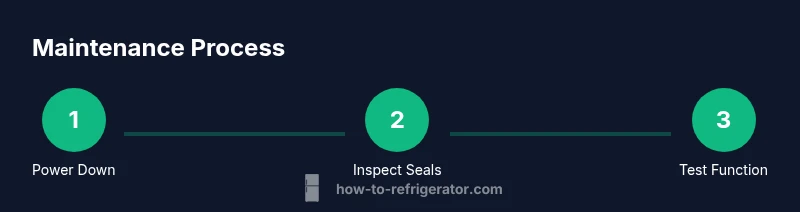
- 1
Power Down and Safety Check
Unplug the refrigerator and switch off power at the circuit breaker for added safety. Verify no power is reaching the unit with a tester before opening any panels. This step prevents shocks when you inspect electrical components.
Tip: Always work on a non-energized appliance; use insulated tools when handling panels. - 2
Inspect Doors, Seals, and Alignment
Close the doors slowly and watch for gaps around the gasket. Perform the dollar-bill test along multiple sections of the seal to assess tightness. If misalignment is evident, adjust the door hinges per the user manual.
Tip: A loose seal often causes not cooling and frost issues; minor hinge adjustments can restore proper sealing. - 3
Clear the Defrost Drain and Inspect Coils
Locate the defrost drain in the freezer compartment and flush with warm water to remove ice blockages. While you’re there, check the condenser coils for dust and debris, using a brush or vacuum. A blocked drain or dirty coils reduces efficiency and can lead to leaks or frost.
Tip: Keep towels handy to catch water; never use hot water that could damage plastics. - 4
Test Temperature Controls and Fans
Power the unit back on and set the temperature to the manufacturer’s recommended range. Listen for evaporator and condenser fan operation; if the fans don’t run, there may be motor or relay issues. Use a thermometer to verify actual internal temperatures against the setpoint.
Tip: If fans are noisy or fail, do not operate the unit for extended periods; faulty fans can overheat components. - 5
Check for Water Leaks and Drainage Paths
Inspect the area under and behind the refrigerator for pooling water and trace sources to hoses or drainage paths. Ensure water line connections are tight and not kinked. Clear any food debris that could block drainage holes at the back.
Tip: A small leak can signal defrost drain blockage or improper leveling; fix early to avoid mold growth. - 6
Reassemble, Power Up, and Monitor
Reconnect power and allow the unit to run for 24–48 hours, monitoring temperatures and door performance. If issues persist, consider scheduling professional service or consult Bosch support with your model details.
Tip: Keep a quick notes log of temperatures and any noises to share with a technician.
FAQ
What are the most common causes of a Bosch French Door refrigerator not cooling?
Not cooling is usually due to a door seal issue, blocked defrost drain, dirty condenser coils, or incorrect temperature settings. Inspect seals, clear the drain, clean coils, and verify temperatures to identify the likely cause before seeking professional help.
Most cooling problems stem from door seals, a blocked drain, dirty coils, or wrong temperature settings.
How do I fix a leaky defrost drain in a Bosch fridge?
Locate the defrost drain at the back of the freezer, flush with warm water to melt ice blockages, and ensure the drain path is clear. Dry the area and monitor for new leaks.
Flush the defrost drain with warm water to clear blockages, then watch for future leaks.
Is it safe to clean condenser coils myself?
Yes, with the unit unplugged. Use a coil brush or vacuum to remove dust and debris. Avoid bending fins and never use water directly on electrical components.
Yes, unplug first and gently clean the coils with a brush or vacuum.
What does a clicking noise indicate in a Bosch French-door model?
A recurring clicking sound can indicate a relay or fan issue, a misaligned door, or temperature regulation cycling. If the noise persists after checks, consult support.
A clicking sound can mean a relay or fan issue or a temperature cycling.
When should I call a professional for Bosch refrigerator issues?
If you hear burning smells, refrigerant concerns, or if basic checks don’t restore cooling, contact a licensed technician. Also, consult customer support if your unit is still under warranty.
Call a professional if there’s burning odor, refrigerant concerns, or unresolved cooling problems.
Watch Video
Top Takeaways
- Unplug before inspection and safety checks
- Check door seals and alignment to prevent cooling loss
- Clear defrost drain to avoid leaks and ice buildup
- Keep condenser coils clean for optimal efficiency