Bar Under Counter Refrigerator: Installation, Troubleshooting, and Maintenance
Comprehensive guide to selecting, installing, and maintaining a bar under counter refrigerator for home bars and entertaining spaces. Learn sizing, electrical needs, ventilation, maintenance, and safety with expert tips from How To Refrigerator.


By the end of this guide, you will be able to choose the right bar under counter refrigerator, install it in a dedicated bar or kitchenette space, and diagnose common faults. You'll need basic hand tools, an outlet that matches the unit's plug, proper ventilation clearance, and a level. This article also covers routine maintenance to extend cooling performance and reduce energy use.
What is a bar under counter refrigerator?
A bar under counter refrigerator is a compact, self-contained cooling unit designed to fit beneath a bar counter or island. It is sized to align with standard bar-height cabinetry and can handle beverages, mixers, and small snacks at arm's reach. The goal is to maintain consistent cooling while preserving the sleek look of a home bar. When installed correctly, a bar under counter refrigerator blends with cabinetry, reduces clutter, and supports efficient entertaining workflows. According to How To Refrigerator, choosing the right size and ensuring adequate ventilation are crucial for long-term performance and energy efficiency.
This appliance is different from a stand-alone beverage cooler in that it often integrates with other cabinetry and may require trim work to achieve a seamless appearance. Common configurations include single-drawer or standard-door models, with adjustable shelves and door racks to maximize organization. Understanding these basics helps homeowners plan a plug-and-serve solution that fits both space and lifestyle.
Choosing the right model for your space
Selecting a bar under counter refrigerator starts with footprint, capacity, and features that match how you use the space. Consider whether you primarily store bottles, cans, mixers, or a combination, and how many shelves you need for quick access. Look for adjustable shelves, a stable door seal, and a temperature range suitable for beverages and perishables. Noise level matters in a relaxed living area, so review decibel ratings if available. Energy efficiency should be a priority; models with solid insulation and efficient compressors reduce running costs over time. The How To Refrigerator team recommends checking cabinet opening compatibility and door swing direction to avoid surprises after delivery. A well-chosen model will feel integrated, not parked at the edge of the room, and will require minimal trimmer work or cabinetry changes to look built-in.
Sizing, placement, and clearance planning
Before buying, measure the available space with precision: width, height, and depth, and account for ventilation clearance around the unit. Under-counter installations benefit from at least a few inches of space behind and to the sides to prevent overheating and ensure proper airflow. If your bar area has a tight corner, consider models with door swing that clears nearby cabinetry and allows easy access. Plan for a slight door clearance so the door can open fully without fouling on drawers or lighting fixtures. Good planning reduces the risk of scratches during installation and helps maintain an airtight seal for energy efficiency.
Electrical and ventilation considerations
A bar under counter refrigerator requires a suitable electrical outlet that matches the unit’s plug and a dedicated circuit when possible. Avoid using extension cords, which can cause voltage drop and fire hazards. Ensure the outlet is protected and easily accessible for maintenance. Ventilation is equally important; most under-counter models need enough air intake and exhaust space to prevent overheating. Keep the rear grille clear of dust and obstructions, and avoid placing the unit behind tight corners or heavy appliances. When in doubt, consult the manufacturer’s ventilation guidelines and your local electrical code for compliance.
Cabinetry integration and trim planning
To achieve a clean, professional look, align the refrigerator with surrounding cabinetry using carefully selected trims, panels, or toe-kicks. Decide whether the unit will be fully recessed, semi-flush, or surface-mounted. If you're using a panel-ready model, ensure the cabinet panels extend to meet the refrigerator face and hide any gap lines. Don’t forget to account for levelness; even a small tilt can affect door sealing and energy efficiency. If your bar setup includes lighting, plan for under-cabinet LEDs that illuminate the top surface without causing glare on beverages.
Step-by-step installation overview (high-level)
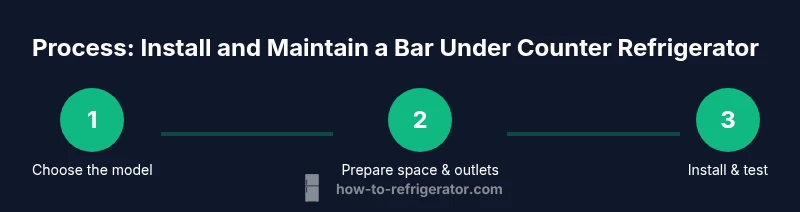
This section provides a concise overview of the installation flow: first, prepare the space and pre-check measurements; next, unbox and inspect the appliance for shipping damage; then, install any required trim or panels and level the unit; finally, connect power, verify door alignment, and test cooling. While this block previews the process, the Step-by-Step section contains detailed, action-by-action instructions with tips and warnings. A well-executed install minimizes vibration, noise, and energy waste, and leads to reliable long-term performance.
Maintenance routines to extend life
Regular maintenance keeps a bar under counter refrigerator running efficiently. Clean the door seals with mild soap and water to maintain a tight seal, vacuum the condenser coils if accessible to prevent overheating, and check the interior shelves for stability. Periodically verify that the airflow around the unit remains unobstructed, and schedule a quick inspection of the drain if you have a model with defrost or water features. A clean, organized interior reduces energy usage and makes it easier to find items during lively gatherings.
Troubleshooting common issues
If the bar under counter refrigerator isn’t cooling adequately, first check the door seal and ensure the gasket is intact. Verify that the unit is level and that the condenser coils, if exposed, aren’t dusty. If temperature control is erratic, confirm the thermostat setting and consider a factory reset or recalibration per the manual. Unusual noises may indicate loose components or fans hitting obstructions; inspect mounting screws and shelves for proper seating. When issues persist, consult the manufacturer’s diagnostics or contact a professional technician.
This block emphasizes practical, safe troubleshooting without voiding warranties. Remember to unplug the unit before inspecting electrical components and to follow local electrical code.
Energy efficiency and cost considerations
Bar under counter refrigerators that are Energy Star-rated or similarly efficient tend to minimize running costs and heat output in compact spaces. Focus on insulation quality, compressor efficiency, and door seal integrity as primary drivers of energy use. Keeping doors closed as much as possible and avoiding overcrowding the interior also helps maintain even cooling and energy efficiency. Compare running cost estimates from manufacturers or independent reviews to determine which model may offer the best long-term value for your bar area.
Customization ideas for a bar setup
Customize your bar under counter refrigerator with thoughtful touches that enhance usability and ambiance. Add adjustable lighting inside the cabinet to highlight bottles and glassware, install programmable shelves for flexible storage, and use labeled bins to organize mixers and garnishes. Consider panel-ready models to match cabinetry or opt for a contrasting front panel for visual interest. Small touches like a magnetic bottle opener or integrated glass rack can elevate the look while maintaining practicality.
Safety, warranty, and service options
Always review the warranty terms and maintenance requirements for your bar under counter refrigerator. Follow safe handling practices during installation and avoid blocking vents or electrical outlets. Keep a record of service visits and any part replacements. If you’re unsure about wiring or cabinet modifications, hire a licensed technician. For most homeowners, basic installation and routine maintenance fall within DIY scope, but professional service is recommended for complex electrical work or defrost-line issues.
Final planning checklist and next steps
Before finalizing your purchase, verify the dimensions, door swing, and ventilation clearances for the bar under counter refrigerator. Confirm that the chosen model fits the cabinet enclosure, and prepare your electrical outlet plan, trim approach, and lighting needs. Create a maintenance calendar and keep essential spare parts on hand. With thorough planning and careful installation, your bar under counter refrigerator will deliver reliable cooling and a polished, integrated look.
Tools & Materials
- Measuring tape(Measure width, height, depth; check clearance around the unit)
- Level(Ensure the appliance sits perfectly flat for door alignment)
- Screwdriver set(Phillips and flathead; for mounting brackets and trim)
- Pencil and maskant tape(Mark cut lines and placement before trimming)
- Electrical tester or outlet tester(Check outlet condition and grounding)
- Non-slip mat or padding(Prevent damage to cabinetry during installation)
- Trim kit or paneling (optional)(For panel-ready models to match cabinetry)
- Cleaning supplies(Mild soap, water, soft cloth for seals and interior)
Steps
Estimated time: 2-3 hours
- 1
Prepare space and measure
Clear the installation area and measure width, height, and depth. Compare to the bar under counter refrigerator’s specifications and confirm there’s clearance for ventilation. This prevents fit issues and future door misalignment.
Tip: Double-check corner clearances and ensure a level base before proceeding. - 2
Unbox and inspect
Carefully remove the unit from its packaging and inspect for shipping damage. Look for dents, loose parts, or damaged seals. Report any issues to the retailer before installation proceeds.
Tip: Photograph any damage for warranty claims and keep packaging until the install is complete. - 3
Prepare trim or panels
If panel-ready, remove the factory door panels as instructed by the manual and prepare any matching cabinet panels. This step ensures a seamless appearance with surrounding cabinetry.
Tip: Keep hinge screws organized; you’ll reuse them during reattachment. - 4
Position the unit and level
Slide the bar under counter refrigerator into place and use a level to confirm it sits evenly on the floor and cabinet face. Adjust shims if needed.
Tip: A perfectly level unit prevents door misalignment and improves seal efficiency. - 5
Secure trim and panels
Attach any trim strips or paneling to achieve a flush look with adjacent cabinetry. Ensure no gaps that could trap dust or cause alignment issues.
Tip: Avoid overtightening screws to prevent warping of panels. - 6
Connect power safely
Plug the unit into a dedicated outlet or ensure the existing outlet is adequate for the fridge’s power draw. Do not use extension cords. Verify ground continuity.
Tip: If the outlet is behind cabinetry, route cords safely and avoid pinching. - 7
Set initial temperature and load
Turn on the unit and set the thermostat to the manufacturer’s recommended starting point for beverages. Arrange shelves so airflow isn’t blocked and items are easy to reach.
Tip: Avoid overpacking the shelves to maintain consistent cooling. - 8
Check door alignment and seals
Close the door and inspect the seal around the entire perimeter. If gaps appear, reseat the door or adjust hinges for an airtight seal.
Tip: Clean door seals monthly to prevent energy waste. - 9
Test run and listen for issues
Run the unit for several hours and listen for unusual noises. Confirm there’s consistent cooling across shelves and zones.
Tip: If you hear rattling, recheck door alignment and shelving seating. - 10
Plan drainage and defrost paths
If your model has a defrost or drainage feature, ensure the drain line is clear and routed to a proper collection tray. Test any drainage features during the initial run.
Tip: Keep the drain area clean to prevent clogs and odors. - 11
Document setup and maintenance cadence
Create a simple maintenance calendar for cleaning seals, coil access, and seasonal checks. Record model specifics and warranty terms for future service.
Tip: Set reminders in your phone or calendar to stay ahead of issues. - 12
Review safety and warranty details
Read the warranty and compliance guidelines to understand coverage for components and service. Follow safety precautions to protect yourself during future maintenance.
Tip: Keep receipts and manuals in a dedicated home project folder.
FAQ
Do I need a dedicated electrical outlet for a bar under counter refrigerator?
Yes, a dedicated outlet is recommended to prevent voltage drops and ensure safe operation. Do not rely on extension cords for continuous use.
Yes, a dedicated outlet is recommended to prevent voltage drops and ensure safe operation. Avoid extension cords.
Are bar under counter refrigerators plumbed for beverage dispensers?
Most models are self-contained and do not require plumbing. If your setup includes a beverage dispenser, confirm compatibility with the unit’s drain and drainage options.
Most models don’t need plumbing. Check compatibility if you plan to add a beverage dispenser.
What sizes do these refrigerators come in?
Bar under counter refrigerators vary in width and depth, typically designed to fit common bar cabinetry. Check your cabinet opening and panel compatibility before selecting a model.
Sizes vary by model; measure your opening and verify panel compatibility.
How often should I inspect door seals?
Inspect door seals monthly and clean with mild soap and water to maintain an airtight seal and reduce energy use.
Check seals monthly and clean them to keep energy use down.
Can I install a bar under counter refrigerator myself?
Many homeowners can install with basic tools and careful measurements, but electrical and trim work may require professional help if you’re unsure.
DIY is possible for many, but don’t hesitate to hire a pro for electrical or trim work.
What maintenance tasks are essential year-round?
Regularly clean seals, monitor coil cleanliness, and verify airflow around the unit. Schedule a seasonal check to keep performance consistent.
Clean seals, check coils, and ensure airflow; do a seasonal check.
Watch Video
Top Takeaways
- Measure accurately before buying.
- Choose energy-efficient, properly sized models.
- Ensure adequate ventilation and a level installation.
- Use a dedicated outlet and avoid extension cords.
- Maintain door seals and coils for efficiency.