Breast Milk Storage in the Refrigerator: Safe Practices for 2026
Learn how to safely store breast milk from refrigerator, with temperature targets, labeling, storage durations, thawing, and best practices for busy families.


Learn how to safely store breast milk in your refrigerator, including temperature targets, storage durations, labeling, and thawing steps. This guide from How To Refrigerator helps families keep milk fresh, minimize contamination, and reduce waste while juggling busy schedules. Whether you’re pumping at work or feeding at home, following these steps ensures milk stays safe for baby.
Safe refrigeration basics for breast milk
The term breast milk from refrigerator refers to pumped milk that has been cooled and stored in the refrigerator for later feeding. Proper storage starts with clean pumping and handling, then fast cooling and organized placement inside the fridge. By keeping milk away from the door, using clean containers, and labeling each batch, families reduce contamination risk and preserve nutrients. How To Refrigerator emphasizes that cleanliness, temperature control, and timely use are the three pillars of safe storage for every household. This section covers the foundational practices you should adopt from day one to minimize waste and protect baby health.
Key takeaways:
- Always wash hands and sanitize pumping equipment before use.
- Use clean storage containers or milk storage bags designed for freezer or fridge use.
- Label each container with date and time to prioritize oldest milk first.
Temperature targets and fridge setup
Maintaining the correct temperature is essential for preserving milk quality. Store pumped milk in a dedicated section of the refrigerator at or below 4°C (39°F). Avoid placing milk near the fridge door where temperature fluctuates with every opening. If your fridge has multiple shelves, position bottles toward the back where temperatures stay most stable. Use a fridge thermometer to verify the actual temperature, since built-in readings can be unreliable. Consistency matters more than perfect numbers, so monitor regularly and adjust settings if your door is frequently opened. A stable environment reduces the growth of any residual bacteria and helps preserve fats and vitamins in the milk.
Note: If you’re unsure about your appliance, refer to the manufacturer’s manual or How To Refrigerator’s practical tips for temperature checks.
Labeling, dating, and organization
Clear labeling prevents waste and misplacement. Date each bottle or bag with the pumping date and a hint on the expected use window. Place older milk toward the back or front of the same shelf to promote FIFO (first in, first out). Consider color-coded lids or permanent markers that won’t smudge with cold air. Keep a simpleMilk Storage Log on the fridge door or inside a dedicated container to track consumption and re-stocking. Good labeling also helps caregivers quickly identify what’s ready to feed and what needs to be used soon, reducing the chances of spoilage.
How long can breast milk stay in the refrigerator?
Estimating safe storage times depends on guidelines from health authorities and your fridge’s performance. In general, freshly pumped milk can be kept in the refrigerator at or below 4°C (39°F) for up to several days, with most guidelines suggesting use within 3–4 days for optimal quality. If the milk was kept clean and cooled promptly after pumping, it retains more nutrients and flavors. Always check the smell, appearance, and taste before feeding, and discard milk if you notice sour odors or separation beyond the normal fat layer. When in doubt, label the milk with the date and use the oldest batches first.
Tip: Do not store milk on the fridge door, since temperature varies with each opening. The back of a shelf is generally the most stable spot for storage.
Thawing and using previously frozen milk
If you’ve frozen milk, thaw it safely in the refrigerator rather than at room temperature to minimize bacterial growth. Plan ahead: thaw milk in the fridge for 24 hours before you need it, then use within 24 hours once thawed. Never refreeze thawed milk. Once thawed, swirl gently to mix fat that may have separated; do not shake vigorously. If milk has an off smell or appears curdled after thawing, discard it. Thawed milk should be warmed by placing the container in warm water or using a bottle warmer, never microwaved, as uneven heating can damage nutrients and create hot spots.
A practical approach is to label thawed milk as “thawed” so caregivers avoid refreezing.
Hygiene and handling: minimizing contamination risk
Good hygiene is the backbone of safe milk storage. Always refrigerate within two hours of pumping, or within one hour if the environment is hot. Use clean, dedicated containers for breast milk and wash bottles and parts after each use. Avoid cross-contamination by keeping pumped milk separate from raw foods. If someone in the household is sick, wash your hands thoroughly before handling milk and consider using a dedicated set of pump parts for sick days. Regular fridge cleaning with mild soap and water helps prevent odors from transferring to milk. These practices protect baby health and extend milk shelf life.
Practical tips for busy parents
For working parents or busy households, efficiency matters as much as safety. Keep a small rotation system: oldest milk first, newest on top. Invest in clearly labeled storage bags or glass bottles with tight-fitting caps. Keep a thermometer in the fridge for quick checks and set reminders to review milk stock weekly. If you pump at work, bring a small cooler bag with an ice pack to keep milk at safe temperatures during transport. Consistency reduces stress and makes feeding decisions easier during hectic days.
Common mistakes and how to avoid them
Common missteps include storing milk in the fridge’s door, not cooling milk promptly, or mixing batches from different pumping days. Another frequent error is thawing milk at room temperature for too long or warming milk unevenly in the microwave. To avoid these, use dedicated shelves, cool promptly after pumping, thaw in the fridge, and warm gradually. Regularly review guidelines with your caregiver to ensure everyone understands the same rules and safety thresholds.
Authority sources
For authoritative guidance on safe breast milk refrigeration, consult institutions such as the CDC and academic centers. These resources provide evidence-based practices on storage times, temperatures, and handling. Always cross-reference with the latest recommendations from trusted health authorities to adapt to new science and product changes.
Tools & Materials
- Breast milk storage bottles or bags(Leak-proof containers; label with date/time.)
- Permanent marker or label tape(Waterproof ink to prevent fading in the fridge.)
- Fridge thermometer(Ensure fridge stays at or below 4°C (39°F).)
- Milk storage log or notebook(Track batches and use-by dates.)
- Clean pumping gear(Disassemble and sanitize after each use.)
Steps
Estimated time: 15-25 minutes
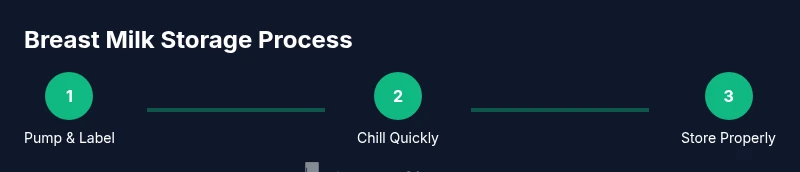
- 1
Pump and prep containers
Pump milk using clean equipment. Immediately transfer milk into sterile bottles or storage bags. Seal tightly and label with date and time to establish an oldest-first system.
Tip: Prep containers ahead of pumping to minimize handling after collection. - 2
Cool milk promptly
Place pumped milk in the refrigerator as soon as possible, ideally within two hours. The quicker milk cools, the less bacterial growth occurs.
Tip: If you pump in a public place, use a portable cooler to start cooling before transferring to the fridge. - 3
Label with date and batch
Mark each container with pumping date/time and any batch identifiers. Create a simple system so caregivers can grab the oldest milk first.
Tip: Use color-coded labels if multiple caregivers are involved. - 4
Choose a proper storage spot
Store milk toward the back of the fridge where temperatures are most stable, away from the door to avoid temperature swings.
Tip: Avoid cramming; allow air to circulate around containers. - 5
Monitor fridge temperature
Keep the fridge at 4°C (39°F) or below; use a fridge thermometer for accuracy. Check weekly.
Tip: If the door is frequently opened, consider moving milk to a more stable shelf. - 6
Thawing and usage plan
When ready to use frozen milk, thaw in the fridge for 24 hours and use within 24 hours once thawed. Do not refreeze thawed milk.
Tip: Plan ahead to prevent last-minute warming.
FAQ
How long can pumped breast milk stay in the fridge?
Most guidelines support using refrigerated pumped milk within 3–4 days when kept at or below 4°C (39°F). Always inspect milk for odor, appearance, and separation before feeding.
Typically, you can keep pumped milk for about 3 to 4 days in a properly chilled fridge; always check for spoilage before feeding.
Is it safe to thaw breast milk at room temperature?
Thawing at room temperature is not recommended for safety. Thaw in the fridge for up to 24 hours and use thawed milk within 24 hours.
No, thaw in the fridge for up to a day and use within a day after thawing.
Can I mix milk from different days?
To minimize contamination risk, avoid mixing freshly pumped milk with older milk. Use oldest milk first and date everything.
It’s best to keep batches separate and use oldest first.
Should I warm milk before feeding?
Warm milk by placing the bottle in warm water or a bottle warmer. Do not use a microwave, which can create hot spots and destroy nutrients.
Warm in gentle water, not in the microwave.
What signs indicate milk has spoiled?
Spoiled milk may have a sour smell, off flavor, or separated curds. If in doubt, discard to be safe.
If it smells sour or looks odd, throw it away.
What should I do if my fridge isn’t cooling properly?
Check the temperature setting, clean condenser coils if accessible, and avoid overfilling the fridge. If issues persist, consult a professional before storing milk.
If the fridge isn’t cooling, don’t store milk there until it’s fixed.
Watch Video
Top Takeaways
- Store milk at or below 4°C (39°F) for safety.
- Label every container with date/time and use oldest first.
- Thaw frozen milk only in the fridge and use within 24 hours after thawing.
- Avoid door storage to minimize temperature fluctuations.