Wine Refrigerator Dual Zone: The Complete Guide
Discover how to select, install, and maintain a wine refrigerator dual zone. Learn optimal temperatures, storage layouts, and maintenance tips to ensure red and white wines age gracefully in one cabinet.


A wine refrigerator dual zone is a dedicated wine storage cooler with two independent temperature compartments, letting red and white wines mature at their ideal temps simultaneously. It protects aroma, color, and texture by keeping each zone within the precise range required for different varietals. This guide explains how to choose, install, and maintain a dual-zone unit for reliable wine storage.
Understanding Dual Zone Wine Refrigeration
A wine refrigerator dual zone combines two cooling zones in a single cabinet, each with its own thermostat and airflow path. This design lets you store red wines warmer and whites cooler without sacrificing one bottle for another. The typical benefit is flexibility: you can serve a bottle at the perfect temperature without moving it to a different appliance. According to How To Refrigerator, dual-zone units use separate cooling circuits or strong zoning controls to prevent heat creeping from one zone into the other, preserving distinct temperature targets for different varietals. When you plan placement, also consider ventilation, door swing, and energy use. With the right cabinet, you can optimize aging for long-term storage and ready-to-serve wine without compromises.
Key Features to Look For in a Dual Zone Unit
When shopping for a dual zone wine refrigerator, focus on independent temperature control, reliable humidity management, and solid construction. Look for two clearly labeled temperature dials or digital thermostats, ideally with a wide operating range (roughly mid-30s to mid-60s Fahrenheit) to accommodate sparkling, white, and red wines. Favor units with vibration-reducing shelves, energy-efficient compressors, and efficient seals around the doors. Consider interior materials—wood or metal racks with adjustable spacing help you fit varying bottle shapes. Also check for interior lighting that won’t heat the cabinet, and ensure the unit has a clean drainage path for condensation. How To Refrigerator recommends verifying that the shelves can be adjusted without disturbing adjacent bottles and that the door seals remain tight after opening.
Sizing, Capacity, and Layout for Wine Collections
Your wine collection dictates capacity. Start by counting bottle types and sizes you own or expect to acquire, then translate that into bottle-equivalent capacity per zone. If you frequently host gatherings, a larger footprint with more shelves and wider aisles improves accessibility. Consider staggered racks for longer bottles and tiered shelves for standard 750 ml bottles. Leave some space for air to circulate around each bottle, especially near the condenser area. For long-term aging, we'll discuss temperature stability and airflow in the next sections, but practically, a dual-zone cabinet that fits your current collection with a bit of room to grow is the most sustainable choice. How To Refrigerator emphasizes choosing a model with flexible shelving you can adapt as your storage needs evolve.
Temperature Ranges and Wine Type Guidance
Different wines benefit from different temperatures. Whites typically perform best around the mid-40s to mid-50s Fahrenheit, while reds are often preferred in the mid-50s to mid-60s, depending on the grape and aging goals. Sparkling wines and dessert wines can require slightly cooler or warmer settings, so a model with broad zone ranges is advantageous. If you plan to age wine for several years, aim for a stable temperature closer to 55°F with consistent humidity to protect cork integrity. Avoid frequent temperature fluctuations, as these can accelerate chemical changes in the wine. This is where true dual-zone control shines: you can keep each zone within its ideal band without compromising the other.
Installation, Placement, and Ventilation
Position the unit on a level, solid surface away from heat sources like ovens or direct sunlight. Leave at least a few inches of clearance behind and on the sides for airflow, and ensure the door has a full-range swing without hitting nearby cabinetry. Electrical considerations matter: use a dedicated outlet, preferably GFCI-protected in kitchens, and avoid extension cords. If the room is humid or dusty, seal any gaps and clean the condenser coils periodically. For built-in installations, confirm the cabinet’s dimensions, ventilation requirements, and clearance recommendations from the manufacturer. How To Refrigerator notes that proper placement minimizes energy use and extends the life of the compressor.
Maintenance, Cleaning, and Troubleshooting
Keep the interior clean with a mild, non-abrasive cleaner and a soft cloth. Check door gaskets for tightness and replace them if you notice air leaks. Vacuum dust from the condenser coil (usually at the back) every 6–12 months, more often in dusty environments. If you notice unusual noises, temperature drift, or frost buildup in one zone, troubleshoot by inspecting airflow, seals, and fan operation. Never block the vents or overcrowd shelves, which can impair cooling balance. Keep the drain tube clear to prevent moisture buildup, especially in humidity-prone rooms. Regular checks help prevent costly repairs and ensure consistent performance.
Common Pitfalls and How to Avoid Them
Common mistakes include setting both zones to the same temperature, which defeats the purpose of dual zones, and placing the unit in a hot kitchen corner. Overfilling shelves restricts airflow and causes temperature instability. Relying on a single alarm or sensor in one zone can give a false sense of security; ensure each zone has independent monitoring where possible. Avoid frequent door openings during peak service hours—this can introduce warm air and humidity that affect corks and preservation. Finally, neglecting routine maintenance leads to coil buildup and reduced efficiency. By planning layout, using proper shelving, and performing regular checks, you maximize the dual-zone benefits for your collection.
Tools & Materials
- Screwdriver (Phillips #2)(For mounting hardware and panel screws)
- Adjustable wrench(Use for leveling feet and drain fittings)
- Level(Ensure cabinet sits perfectly horizontal)
- Measuring tape(Check clearance and slot widths)
- Pencil and masking tape(Mark wall clearance and handle alignment)
- Silicone sealant (optional)(Seal gaps if cabinet sits against walls)
- Power outlet with grounding(GFCI preferred in kitchen environments)
Steps
Estimated time: 60-90 minutes
- 1
Prepare space and safety
Clear the installation area, unplug any nearby units, and verify the wall clearance and electrical outlet availability. Take measurements to confirm the cabinet will fit between existing cabinetry and doors. This ensures a safe, straightforward setup.
Tip: Double-check floor level before moving the unit into place to avoid later adjustments. - 2
Unbox and inspect the cabinet
Carefully remove packaging and inspect the interior for any transit damage. Remove protective film from doors and shelves, then recheck the two zones for any loose components. This step prevents surprises after power is connected.
Tip: Keep packaging until you confirm full functionality in case you need to reseat parts. - 3
Position and level the cabinet
Move the unit into place and set it on a level surface. Use a level to adjust the feet until the cabinet sits perfectly flat both front-to-back and side-to-side. Proper leveling avoids misalignment of doors and airflow issues.
Tip: Shim under one foot if necessary to compensate for a slightly uneven floor. - 4
Connect electrical supply
Plug the cabinet into a dedicated grounded outlet. Avoid extension cords. If the room is particularly humid or dusty, consider a small door vent and keep the cord away from heat sources.
Tip: If you must use a cord, ensure it is heavy-duty and rated for appliance use. - 5
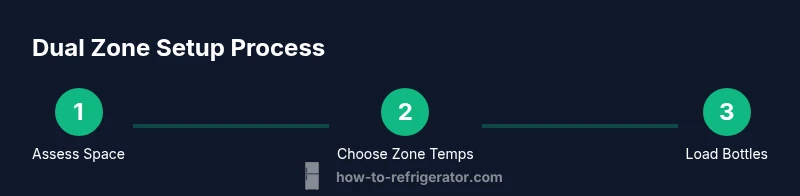
Configure zones and temperatures
Set the upper and lower zone thermostats to your target ranges. Allow a 24–48 hour stabilization period before loading wine to ensure steady temperatures, particularly if the cabinet was moved a long distance.
Tip: Start with conservative temperatures and adjust gradually after monitoring for a day. - 6
Load and organize bottles
Place bottles by zone and type, using adjustable shelves to maximize airflow. Keep corks dry by avoiding long open-door periods and ensure label visibility for quick inventory checks.
Tip: Avoid overcrowding shelves; allow space for air to circulate around each bottle. - 7
Test operation and verify balance
Run both zones for several hours and verify that each holds its target temperature within a narrow margin. Check for odd noises or vibrations and adjust placement or shelving if needed. Confirm door seals are intact after closing.
Tip: Take initial readings at multiple points in each zone to confirm even cooling.
FAQ
What is the ideal temperature range for a dual zone wine refrigerator?
Most whites store best in the mid-40s to mid-50s °F and reds in the mid-50s to mid-60s °F. Keep zones stable to protect aroma and cork integrity. If aging, aim for the lower end of your zone’s range with minimal fluctuations.
White wines around 45 to 50 degrees, red wines around 50 to 60 degrees. Keep both zones steady for aging and serving.
Can I convert a single-zone fridge into a dual-zone model?
Converting typically depends on the model and may require a second compressor or complex airflow separation. Most reliable results come from purchasing a true dual-zone unit designed with two independent controls.
Conversion isn’t guaranteed; it’s usually better to buy a dual-zone unit designed with two independent zones.
Is a dual zone unit energy efficient?
Dual-zone cabinets can be efficient, especially when they replace two appliances. Efficiency depends on insulation, compressor design, and door seals. Look for energy star ratings and good condenser maintenance to keep energy use reasonable.
Yes, efficiency varies by model; check for energy ratings and keep seals tight.
How long should I wait after installation before loading wine?
Most manufacturers recommend letting the unit stabilize for 24–48 hours before loading wine, especially if the cabinet has been stored or moved. This helps ensure both zones settle at their target temperatures.
Wait 24 to 48 hours before loading wine for proper stabilization.
What maintenance is essential for a dual-zone fridge?
Regularly clean shelves, check door seals, and vacuum the condenser coils every 6–12 months. Ensure drainage is clear and keep the interior dry. Address any unusual noises promptly to prevent longer-term damage.
Clean shelves, inspect seals, and keep coils free of dust.
What signs indicate a failing compressor?
If temperatures drift, the unit runs constantly, or you hear unusual buzzing or rattling, this can indicate compressor or fan issues. Arrange a service check if the problem persists after basic maintenance.
Temperature drift or constant running can signal compressor problems; call for service if it continues.
Should I age wine in a dual-zone unit or serve it right away?
Dual-zone units support aging by maintaining stable temps, but long-term aging depends on consistent humidity and cork integrity. For serving, you can adjust the zones to cooler temperatures for immediate consumption.
Use stable temps for aging; adjust zones for serving when needed.
Watch Video
Top Takeaways
- Choose a dual-zone cabinet with independent controls.
- Plan layout for airflow and accessibility.
- Stabilize temperatures before loading wine.
- Maintain consistent humidity and clean seals.
- Avoid overcrowding and monitor performance regularly.