How to Make Refrigerator Cake: A No-Bake Dessert Guide
Learn to craft a delicious no-bake refrigerator cake with simple layers and a creamy filling. This step-by-step guide covers ingredients and handling tips to keep it safe and tasty.


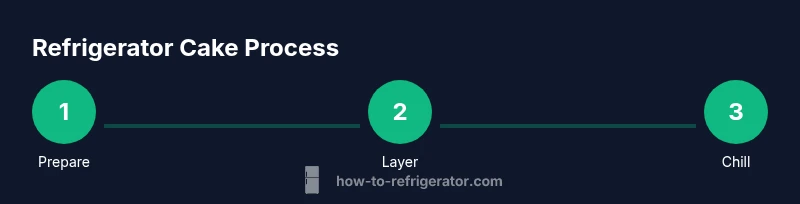
You will learn to make a refrigerator cake—a no-bake dessert built with layered crumbs, a creamy filling, and a chilling period. Expect to assemble quickly, chill for several hours, and slice cleanly. Gather basic ingredients, a pan or dish, and 4–6 hours of chilling time to complete the recipe.
What is a Refrigerator Cake?
A refrigerator cake is a no-bake dessert that relies on chilling to set rather than baking. It often uses a crunchy base (cookie crumbs, graham crackers, or sponge cake) layered with a creamy filling (cream cheese, whipped cream, mascarpone, or yogurt) and finished with fruit, chocolate, or candy toppings. According to How To Refrigerator, refrigerator cakes are popular because they are quick to assemble, customizable, and require minimal kitchen heat, which is especially helpful on hot days. The basic principle is to replace heat with cold to firm up the structure. How To Refrigerator analysis notes that chilling helps the flavors meld and makes slicing cleaner, which is particularly important for a dessert with soft layers. Always keep the cake refrigerated until service to maintain texture and food safety. This method also aligns with common food-safety guidance from federal resources that emphasize keeping perishable fillings cold and promptly returning leftovers to the fridge after serving.
Why a No-Bake Dessert Is a Great Choice
No-bake cakes are forgiving for beginners and busy households. They typically require fewer kitchen tools, less time in the oven, and a high degree of adaptability—you can swap fillings, adjust sweetness, or add fresh fruit and toppings. A refrigerator cake can be made with pantry staples, which helps when you want a dessert that comes together quickly for gatherings or last-minute celebrations. From a safety perspective, chilling is not only about texture but also about keeping perishable ingredients cold. In practice, you freeze or chill to set the filling and prevent soggy layers, making it a reliable option for warm climates or when you want to prepare a dessert in advance.
Essential ingredients and substitutions
The core ingredients usually include a crumb-based base, a creamy filling, and a topping or garnish. Common bases are crushed cookies, graham crackers, or biscuits. The creamy layer can be made with cream cheese, mascarpone, yogurt, or whipped cream. For a lighter version, mix whipped topping with a stabilized cream cheese blend. If dairy-free is needed, use coconut cream or almond cream cheese with a dairy-free yogurt substitute. Sweeteners like sugar or honey can be adjusted to taste, and flavorings such as vanilla, citrus zest, or coffee can elevate the profile. Always consider dietary restrictions and substitutions when planning your layers, and ensure that any fruit or toppings are compatible with chilling.
How To Refrigerator notes that ratio and texture matter more than exact ingredients—focus on achieving a stable, sliceable layer rather than chasing a perfect flavor on the first try.
Equipment and pantry basics
Gather a sturdy pan or loaf dish, a mixer or whisk, a spatula, parchment paper for easy release, and a chilling space in the fridge. A simple springform pan can be helpful for clean slices, but a loaf pan or an individual dessert cups setup works too. Stock spare cookie crumbs for crusts and a reliable cream filling mixture. For toppings, have fresh fruit, melted chocolate, or cocoa powder on hand. If you’re serving guests with dietary needs, prepare a dairy-free or gluten-free option using alternate bases and fillings. The key is having a practical setup: a place to assemble, a way to smooth layers, and ample chilling room.
Flavor ideas and layering options
You can customize your refrigerator cake by alternating bases and fillings. Try a coffee-infused cream with chocolate cookies, a strawberry-cream layer with vanilla cookie crumbs, or a lemon-yogurt filling with graham crackers. Add texture with chopped nuts, toasted coconut, or chocolate shavings. For a festive touch, tint portions with natural food colorings or swirl fruit purées into the filling. Layer order matters: start with the base, then a creamy layer, followed by fruit or a wafer layer, and finish with a topping that holds its shape when chilled.
Storage, safety, and make-ahead tips
Refrigerator cake should be stored in the fridge in a covered dish or wrapped tightly to prevent odor absorption and drying. If chilling overnight, use a tight cover to protect surface texture. Food safety guidelines emphasize keeping perishable fillings cold and avoiding long ambient exposure. If you plan to serve later, portion slices in advance and keep them capped in the fridge. When freezing is desired, consider freezing individual slices rather than the whole cake to retain texture after thawing. Remember to discard any leftovers after a few days if the texture or smell changes.
Testing for doneness and serving tips
The cake should feel firm to the touch and hold its shape when sliced. If a layer appears too soft or mushy, extend the chilling time by an additional 30–60 minutes and reassess. When ready to serve, use a sharp knife warmed under hot water for cleaner cuts, then wipe the blade between slices. For a crowd, you can pre-slice and plate slices on a tray, keeping the plate cold and covered until serving time. A light dusting of cocoa, zest, or powdered sugar can enhance presentation.
Common mistakes and fixes
Common issues include soggy bases, runny fillings, and uneven layers. To avoid sogginess, ensure the base is well chilled and not overly moist—crush evenly and press firmly. If the filling looks too loose, whip longer or add a stabilizer such as gelatin or a small amount of cream cheese to firm up. For even layers, use a flat spatula, and chill between layers to ensure each layer sets before adding the next. If fruit makes the cake watery, pat dry with a paper towel before adding it as a topping.
References for food safety and safe handling
For safe handling of dairy-based fillings and perishable ingredients, consult federal guidance. U.S. Department of Agriculture resources emphasize keeping perishables cold and avoiding cross-contamination. The U.S. Food and Drug Administration also provides tips on safe refrigeration. For basic food safety and keeping foods safe to eat, see: https://www.usda.gov/topics/food-safety, https://www.fda.gov/food-safety, and https://www.cdc.gov/foodsafety/keep-your-food-safe.html. Following these guidelines helps ensure your refrigerator cake is both delicious and safe.
Tools & Materials
- Mixing bowl(Prefer a medium-to-large bowl for cream mixtures.)
- Spatula or offset spreader(For smoothing layers and scraping sides.)
- Measuring cups and spoons(Accurate measuring improves texture and sweetness.)
- Food processor or rolling pin(Helpful for crushing cookies uniformly.)
- Pan or loaf dish (8x8 inch or similar)(A springform pan is optional but convenient.)
- Parchment paper(For easy release and clean edges.)
- Mixer or whisk(To whip cream or blend fillings smoothly.)
- Refrigerator or chill space(Ensure stable cold temperature for setting.)
Steps
Estimated time: Active 30-45 minutes; chilling 4-6 hours (or overnight)
- 1
Prepare pan and crust
Line your pan with parchment or lightly grease. Crush cookies or biscuits evenly, then press into the bottom to form a compact crust. This base should be firm enough to support stacked fillings without crumbling when cut.
Tip: Use a flat-bottomed glass to press crumbs evenly; chill the crust for 10 minutes before adding filling. - 2
Whip the filling
In a bowl, beat cream cheese or your chosen base with sugar and flavorings until smooth. If using whipped cream, fold it gently to maintain airiness. The goal is a thick, spreadable layer that won’t slide when stacked.
Tip: Chill the filling for a few minutes before layering to help it set faster. - 3
Assemble the first layer of filling
Spread a generous layer of filling over the crust. Smooth the surface with a spatula, creating an even plane for the next layer. If adding fruit or a secondary layer, ensure moisture levels are controlled to avoid sogginess.
Tip: Tap the pan lightly on the counter to release air pockets. - 4
Add a second layer (optional)
Repeat with a second crust layer or a crumb-based topping, then top with another layer of filling or a chosen topping. This adds texture and visual appeal, especially for layered presentations.
Tip: Keep layers cooler by partially chilling between steps. - 5
Finish with topping and chill
Place the final topping (fruit, chocolate, or a dusting) and refrigerate. The cake should chill for at least 4 hours, though overnight often yields the cleanest slices and best flavor melding.
Tip: For best slicing, wrap and chill overnight to fully set. - 6
Serve and store leftovers
Slice with a hot knife, wipe between cuts for clean lines. Serve cold and store leftovers in the fridge, covered, for up to a few days. If freezing, portion into individual slices for easier thawing.
Tip: Label with date and flavor to keep things organized.
FAQ
Can I use store-bought crust instead of cookies?
Yes. A store-bought crust can work, just ensure it’s sturdy enough to hold the layers. Press it firmly and chill to set before adding fillings.
Yes, store-bought crusts work if you press firmly and chill to set before filling.
How long does it take for the cake to set?
A typical refrigerator cake needs 4 hours of chilling to reach a sliceable consistency, though overnight is ideal for deep flavor and clean edges.
Most cakes set in about four hours; overnight is best for flavor and clean edges.
Can I make this dairy-free?
Absolutely. Use dairy-free cream cheese or coconut cream with dairy-free yogurt, and select a dairy-free crumb base. Keep in mind texture may vary slightly.
Yes, dairy-free options exist with cream cheese alternatives and coconut cream.
Is it okay to freeze refrigerator cake slices?
Yes, freeze individual slices in airtight containers. Thaw in the fridge or at room temp for a few minutes before serving.
You can freeze individual slices and thaw before serving.
What flavor combinations work best?
Classic combos include chocolate-cookie crust with vanilla cream, strawberry-yogurt with graham base, or lemon-cream with shortbread. Adjust sweetness to taste.
Classic combos like chocolate with vanilla cream or lemon with shortbread are great.
How should I store leftovers?
Keep the cake refrigerated in a covered container. Consume within 3-4 days for best texture and flavor.
Store leftovers covered in the fridge for a few days.
Watch Video
Top Takeaways
- Chill properly for clean slices.
- Layer thoughtfully for texture balance.
- Use dairy-free options if needed.
- Keep leftovers well refrigerated.