Refrigerator Sizes: How to Choose the Right Fit in 2026
Learn how refrigerator sizes affect capacity, fit, and energy use. This How To Refrigerator guide explains common configurations, precise measurement tips, and sizing mistakes to avoid.


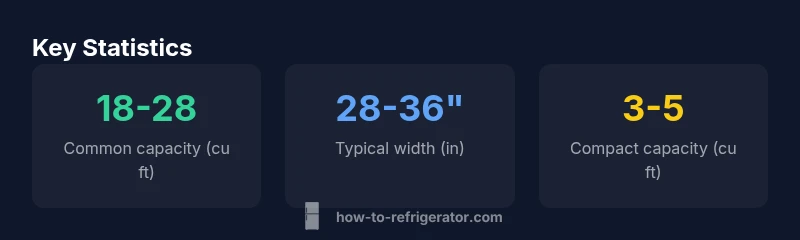
Refrigerator sizes generally span from compact 3-5 cu ft units to standard full-size options of 18-28 cu ft, with counter-depth and French-door models typically in the 20-24 cu ft range. Knowing these ranges helps you pick a model that fits both space and storage. Consider your weekly groceries, door swing clearance, and whether you need more freezer space.
What counts as a refrigerator size?
Understanding refrigerator sizes goes beyond the number on the box. In practice, size is defined by a combination of interior capacity, exterior footprint, and the configuration that governs how you use pantry and freezer space. Interior volume (cu ft) tells you how much you can store, while width, height, and depth determine whether the fridge fits through your doorway and into your kitchen alcove. The term 'refrigerator sizes' is confusing because manufacturers use different labeling conventions, which is why a tape measure is your best friend before shopping. According to How To Refrigerator, understanding refrigerator sizes helps homeowners select models that fit both space and storage. In this article, we break down the components that determine size, how to read product specs, and practical steps to choose the right fit for your home.
Size categories and typical capacities
When people talk about refrigerator sizes, they usually mean general capacity ranges by configuration. Here are the most common categories and typical capacities you’ll encounter in US stores:
- Compact / Under-counter: 3-5 cu ft. Ideal for small kitchens, bars, or dorm rooms.
- Standard top-freezer: 18-25 cu ft. A budget-friendly, space-efficient choice that remains very common in many homes.
- French door / counter-depth: 20-24 cu ft. A premium option that offers wide shelves while preserving a sleek silhouette.
- Side-by-side: 22-28 cu ft. Great for tall bottles and organized storage, but may have narrower shelves.
- Bottom-freezer: 22-28 cu ft. A traditional, comfortable layout with a roomy freezer.
Based on How To Refrigerator analysis, counter-depth models have grown in popularity in recent years, reflecting a preference for larger interior volumes without expanding the kitchen footprint. When comparing refrigerator sizes, remember that the stated cu ft is an interior capacity estimate and is not a direct map to the usable shelf space.
How to measure your space accurately
Measuring for a new fridge starts with the basics: width, height, and depth. Use a steel tape, and check both the entryways and the planned alcove where the fridge will sit. Allow at least 1-2 inches of clearance on all sides for ventilation and door swing. Don’t forget to measure the depth including handles. Compare your measurements to the appliance’s external dimensions and the interior capacity to ensure the model you want matches the actual space. Finally, consider the path to the kitchen—moving a large fridge through doors and around corners is easier if you know the maximum width you can pass through.
How configuration affects size and layout
Your chosen configuration dramatically changes the effective footprint. A French-door or counter-depth unit can feel more spacious inside but often requires the full doorway clearance and a deeper alcove. Side-by-side models offer wide pantry shelves but can limit door-opening space in smaller kitchens. Top-freezer models tend to be the most compact in exterior dimensions while bottom-freezer designs balance convenience and space. When planning, consider hinge style, door swing, and whether you can re-arrange cabinetry to accommodate the fridge’s width and depth. Reading exact size specs in product listings is essential because 'refrigerator sizes' vary by configuration and brand.
Practical sizing checklist for homeowners
Use a simple checklist to validate your choice before you buy:
- Measure the intended space, including clearance for doors and ventilation.
- List your weekly groceries and freezer needs, then translate to cu ft estimates.
- Compare at least three configurations that fit your space.
- Check doorway dimensions and path from the kitchen to the model’s location.
- Consider energy efficiency and long-term operating costs.
- Look for models with adjustable shelves and humidity controls to maximize usable space.
Common mistakes when selecting refrigerator sizes
Common sizing mistakes include underestimating freezer needs, assuming interior capacity equals usable shelf space, and ignoring doorway or alcove clearance. Another frequent error is choosing a visually slimmer unit that reduces actual usable interior volume. Finally, shoppers often focus on exterior dimensions while neglecting the depth added by handles and doors when the doors are open.
How to compare brands' size labels and choose
Different brands label sizes differently, so always compare the actual exterior measurements (H x W x D) and the interior capacity figures (cu ft). If you’re between sizes, choose the larger option to avoid overcrowding perishables or sacrificing freezer space.
Common refrigerator configurations and typical capacities
| Category | Typical Capacity (cu ft) | Notes |
|---|---|---|
| Compact / Under-counter | 3-5 | Ideal for small spaces or beverage centers |
| Standard Top-Freezer | 18-25 | Budget-friendly with efficient footprint |
| French Door / Counter-Depth | 20-24 | Premium style with wide shelves |
| Side-by-Side | 22-28 | Narrow shelves but tall storage |
FAQ
What is the most common refrigerator size for a family of four?
For many families, 18-28 cu ft is typical. This range provides enough fridge and freezer space for weekly groceries while keeping the footprint reasonable. Always assess your shopping habit to pick the best within this range.
Most families go with about 18 to 28 cubic feet to balance space and storage.
How do I measure space for a new fridge?
Start with the doorway width and the installation alcove. Measure height, width, and depth, including door handles. Leave ventilation clearance of at least an inch or two around the unit and ensure the door can swing fully in the intended path.
Measure your doorway and the space; add clearance for doors and ventilation.
Are counter-depth refrigerators worth it for small kitchens?
Counter-depth models deliver a built-in look and wider interior space per footprint, but they can be deeper and more expensive. For very tight spaces, balance aesthetics with actual usable capacity.
Counter-depth can save space visually, but check actual interior volume.
Is a larger cu ft rating always better?
Not always. A larger cu ft rating increases capacity but may not fit your kitchen or daily needs. Focus on usable space, configuration, and how you’ll use the shelves and crisper drawers.
More space isn't always better if it doesn't fit your layout or habits.
What configurations work best for small kitchens?
In small kitchens, counter-depth French-door or side-by-side models offer good space without a bulky footprint. Also consider under-counter or compact units when additional fridge space is not required.
In small kitchens, choose counter-depth or compact units.
“Size is the most practical factor in choosing a fridge; measure first, then compare by configuration to avoid wasted space.”
Top Takeaways
- Measure space before shopping for accuracy
- Know typical sizes by configuration
- Account for door swing and ventilation clearance
- Compare exterior dimensions, not just cu ft
- Prioritize energy efficiency to reduce operating costs