Cheesecake Shelf-Life: How Long It Lasts in the Fridge
Find out how long cheesecake lasts in the refrigerator, how to store it safely, and when to freeze for best quality. Practical home storage tips, spoilage signs, and a quick checklist for keeping your cheesecake fresh.


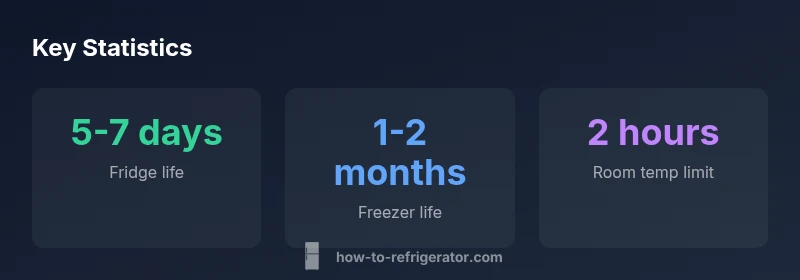
If you're asking how long does cheesecake last in refrigerator, the short, reliable answer is typically 5-7 days when kept cold and wrapped or sealed properly. Store it in an airtight container at 40°F (4°C) or colder. For longer storage, freeze for 1-2 months and thaw overnight in the fridge before serving. Avoid leaving it at room temperature for more than two hours to prevent spoilage.
Understanding cheesecake composition and shelf life
Cheesecake is a dairy-rich dessert that combines cream cheese, eggs, sugar, and occasionally sour cream or heavy cream. Its high moisture and fat content make it susceptible to bacterial growth if left in the temperature danger zone for too long. The exact shelf life depends on factors like ingredients, whether the cake is baked or frozen, toppings, and whether the cheesecake is stored in an airtight environment. According to How To Refrigerator, understanding the basic composition helps homeowners estimate how long cheesecake lasts in the refrigerator and how to maximize freshness. In practice, always err on the side of caution with dairy-forward desserts and use clean utensils to prevent cross-contamination. When stored properly, your slice or whole cake can maintain flavor and texture for several days, which is why a planned storage strategy matters for gatherings and leftovers.
Why temperature and containment matter:
- Temperature consistency controls microbial growth. A fridge set at or below 40°F (4°C) slows spoilage dramatically.
- Airtight sealing minimizes moisture loss and odor transfer, preserving texture.
- Cross-contamination from cutting boards, knives, or other foods accelerates spoilage signals.
- Fresh toppings (like fruit) can introduce moisture and sugars that alter shelf life. Keep toppings separate if possible.
In short, the key is steady cold storage and a protective seal to pack in the flavor while keeping safety intact.
How long does cheesecake last in refrigerator?
The question of how long does cheesecake last in refrigerator is best answered with practical ranges, not absolutes. When stored promptly and properly, most cheesecakes—whether classic New York-style or lighter mousse-inspired versions—stay best for about 5-7 days in the fridge at or below 40°F (4°C). Store in an airtight container or tightly wrap the cake to limit exposure to air and odors. If the cheesecake has a fresh fruit topping, consider adding that topping just before serving, as fresh fruit can quicken decay. For store-bought cheesecakes, the shelf life is often listed on the package; however, once opened, most should be eaten within 3-4 days for best quality. The exact window can vary with recipe and ingredients, but this range provides a reliable guideline for home use.
Practical note for homeowners:
- Always refrigerate promptly after serving or baking.
- Use clean storage containers or wrap tightly with plastic wrap and aluminum foil.
- Label with the date to track freshness easily.
- If in doubt, use senses (smell, texture, appearance) and err on the side of safety.
Temperature, storage, and containers that maximize freshness
Temperature control is the single most important factor in preserving cheesecake in the refrigerator. A consistently cold environment slows bacterial growth and maintains the cake’s texture. Use airtight containers or wrap the cheesecake securely to prevent moisture loss and odor absorption from other foods. Place the cake on the middle shelf where temperatures are most stable, away from the door where warm air enters when it’s opened. If your fridge has multiple zones, consider a dedicated, consistently cold area for dairy desserts. When transporting or storing leftovers, carry them in a cooler bag with a cold pack to keep the cheesecake cold until you reach the fridge. How To Refrigerator emphasizes stable temperatures and airtight storage as the foundation of a reliable storage plan for cheesecake and other dairy desserts.
Tips for nestling cheesecake in the fridge:
- Use a shallow, wide container to maximize air circulation around slices.
- Avoid stacking heavy items on top; pressure can crack or deform the surface.
- If you must cut corners, cut slices before storing to reduce surface area exposure.
What affects shelf life: fillings, toppings, and moisture
Different fillings and topping combinations can alter how long cheesecake lasts in the refrigerator. Rich, dairy-dense fillings hold up for longer under cold storage, whereas cakes with high moisture content or delicate toppings may spoil faster. Fresh fruit toppings add sugars and moisture that can promote microbial growth if left soaked on the surface. Creamy ganache or chocolate toppings tend to be more forgiving, but still depend on storage conditions. Additionally, the presence of eggs in the batter means the cake should be refrigerated promptly and not left out for extended periods. The balance of moisture, fat, and acidity influences the rate of spoilage, so a prudent plan is to keep the cake sealed and avoid frequent temperature fluctuations.
What to monitor daily:
- Any off-smell or sour notes
- Visible mold on the surface or edges
- Changes in texture, such as separation or sliminess
- Surface moisture pooling within the container
How to store different cheesecake styles and toppings
Different styles of cheesecake can respond differently to fridge storage. A classic New York-style cheesecake, with dense cream cheese, tends to retain its texture well for several days if kept cold and sealed. Lighter cheesecakes with whipped cream or fruit layers may require more careful handling to prevent moisture from seeping into the cake. Plain, baked cheesecakes often tolerate refrigeration longer than versions with dairy-free or non-dairy substitutes, though the presence of fruit or caramel sauces can shorten the window. If you regularly entertain, consider portioning the cheesecake into individual slices before refrigerating; this minimizes handling and reduces the surface area exposed to air with each serving. Label each container with the date and contents to track freshness more accurately.
Storage strategy by style:
- Dense, traditional cheesecakes: 5-7 days'
- Light, mousse-based cheesecakes: 4-6 days
- Cheesecakes with fresh fruit: 2-4 days
Freezing cheesecake for longer storage
Freezing cheesecake is an excellent way to extend its shelf life beyond the refrigerator window. Wrap the whole cake tightly in plastic wrap, then in a layer of aluminum foil, or place individual slices in airtight freezer bags to minimize moisture loss and prevent freezer burn. Freeze at a consistent temperature to preserve texture. When you’re ready to serve, thaw the cake in the refrigerator for several hours or overnight; avoid thawing at room temperature, which can promote bacteria growth and texture changes. Note that freezing can slightly alter texture, especially for lighter or fluffy cakes, but it preserves flavor well when done properly. For best results, plan ahead and freeze only the portions you won’t eat within the fridge window.
Steps for freezing and thawing:
- Freeze in portions for easy thawing
- Label with date and contents
- Thaw slowly in the fridge, not at room temperature
- Gently refresh the surface with a light dusting of cocoa or powdered sugar after thawing, if desired
Signs of spoilage and safe disposal
Even with careful storage, cheesecake will eventually show signs of spoilage. Look for an off smell, sour dairy notes, visible mold growth, or a slimy surface. If your cheesecake shows any of these indicators, discard it to avoid foodborne illness. Mold on a dairy dessert can be hard to judge, so when in doubt, throw it out. If you’ve left a slice out for too long, it’s safer to skip tasting. Always practice proper disposal: wrap spoiled portions and dispose of them in a sealed trash bag to minimize odors and attract pests.
Preventative approach: if you’re ever uncertain about the safety of a cheesecake, it’s best to err on the side of caution and discard the cake rather than risk health issues.
Practical tips and quick-check checklist
- Refrigerate cheesecakes promptly after serving or baking.
- Keep the cake in an airtight container or wrapped tightly.
- Store at 40°F (4°C) or colder with minimal temperature fluctuation.
- Add fruit toppings just before serving to extend shelf life.
- Label with date and type of cheesecake to track freshness.
- When freezing, wrap well and thaw in the fridge overnight before serving.
Use this quick-check list before serving leftovers: color, texture, odor, and any mold. If any warning signs appear, discard the portion.
Putting it all together: a storage plan for parties and leftovers
A practical storage plan for parties and leftovers begins with a clear headcount and portioning strategy. Bake or purchase cheesecake well in advance and refrigerate promptly. After the party, cut the cake into slices that can be eaten in one sitting, or pre-portion and seal each slice for easy grab-and-go portions. For guests who want seconds, have a clearly labeled container with the date on display. If you anticipate leftovers lasting beyond the 5-7 day fridge window, freeze portions you don’t plan to eat within that period. By combining steady temperature, airtight sealing, and mindful topping choices, you’ll optimize the cheesecake’s shelf-life and preserve flavor. The How To Refrigerator team recommends a simple, repeatable plan: chill quickly, seal tightly, monitor, and use the leftovers within the recommended windows for best results.
dataTableKeyNoteNoteForConsistency
Shelf life scenarios for cheesecake by storage method
| Storage Scenario | Refrigerator Shelf Life | Notes |
|---|---|---|
| Oven-baked cheesecake (whole) | 5-7 days | Keep sealed in airtight container |
| Unopened store-bought cheesecake | 7-10 days | Check label for date |
| Opened store-bought cheesecake | 3-4 days | Refrigerate promptly after opening |
| Freezer storage (for best quality) | 1-2 months | Thaw in fridge overnight before serving |
FAQ
How long does cheesecake last in the refrigerator?
Typically 5-7 days when refrigerated at 40°F (4°C) or below in an airtight container. For homemade cheesecakes with dairy and eggs, avoid longer storage. Store away from strong-smelling foods. If topped with fruit, consider consuming that portion sooner.
Typically five to seven days in the fridge when stored properly.
Can cheesecake be left at room temperature?
No. Cheesecake should not sit out longer than two hours. Bacteria multiply quickly at room temperature, especially with dairy-based fillings.
No more than two hours at room temperature.
Does fresh fruit topping affect shelf life?
Fresh fruit can shorten shelf life due to added moisture and sugar. Keep toppings separate and add just before serving when possible.
Fresh fruit can shorten the fridge life; add at serving time.
Is freezing cheesecake safe?
Yes. Freezing is safe and preserves quality for 1-2 months. Wrap well and thaw in the fridge overnight before serving.
Yes, you can freeze it for 1-2 months.
How can I tell if cheesecake is spoiled?
Look for off smell, mold, or a slimy surface. If any signs appear, discard the cheesecake to stay safe.
If it smells off or looks moldy, discard it.
Does the baking method change shelf life?
Not significantly. Shelf life is mainly determined by storage temperature, moisture, and toppings rather than the exact baking method.
The method doesn’t drastically change shelf life; storage conditions matter more.
“Proper storage is the difference between safe leftovers and wasted dessert. When cheesecake is kept at the right temperatures and sealed properly, you maximize both safety and flavor.”
Top Takeaways
- Store cheesecakes cold and sealed to maximize life.
- Follow 5-7 day fridge window for best flavor and safety.
- Freeze portions for longer storage and thaw in fridge.
- Check for spoilage signs before serving leftovers.
- Label dates and use a simple portioning plan.