How to Use a Refrigerator to Dry Age Meat at Home
Learn how to safely convert a refrigerator into a controlled aging environment to dry age meat. Step-by-step setup, monitoring tips, and storage guidance for home cooks exploring rich, beefy flavors.


Understanding Dry Aging in a Home Refrigerator
Dry aging is a controlled process that concentrates flavor and tenderizes muscle by exposing the meat to a low-oxygen, humid environment over time. In a restaurant or aging room, specialized equipment and strict controls are used; at home, you’re aiming to approximate those conditions with a refrigerator that maintains consistent temperature, humidity, and air exchange. When you read about using a refrigerator to dry age meat, the key idea is to create a stable microclimate around the meat while minimizing contamination risks. According to How To Refrigerator, beginners should start with a high-quality, bone-in primal cut and a non-porous surface, then monitor changes daily. The goal is flavor development without encouraging spoilage or harmful bacterial growth. This approach emphasizes safety first, with adjustments based on your equipment, space, and comfort level.
Essential Variables: Temperature, Humidity, Airflow, and Time
The trio that matters most for home dry aging is temperature, humidity, and airflow. A steady, cold environment slows bacterial growth while allowing flavor compounds to concentrate. In practice, many hobbyists target a refrigerator temperature in the low 30s to mid-40s Fahrenheit range (about 1–5°C), avoiding temperatures that encourage rapid spoilage. Humidity should be kept relatively high to prevent surface drying too quickly, typically in the mid-to-high range of what your equipment can safely sustain. Airflow is equally important: some air movement across the surface prevents a stagnant rind and helps form the desirable crust. Time is the variable you control for flavor intensity; common home aging windows range from roughly 2 weeks to several weeks, with longer aging yielding deeper, more assertive notes. How To Refrigerator analysis suggests that longer aging elevates flavor complexity but also increases risk, so balance your goals with your setup.
Choosing the Right Meat and Preparing It
Selecting the right cut is crucial. For home dry aging, bone-in cuts with good marbling—such as ribeye, strip loin, or loin primal—offer the best balance of flavor, moisture, and structural integrity. Start with a whole primal or large sub-primal piece rather than thin steaks, which dry out unevenly. Trim only excess surface fat and silver skin to expose a clean, uniform surface that dries evenly. Do not trim all the fat away, as a protective crust forms during aging. Pat the surface dry and avoid washing the meat, which can introduce bacteria. Label the meat with date and cut information to track aging progress. The How To Refrigerator team emphasizes keeping surfaces clean and handling meat with sanitized tools to minimize cross-contamination.
Setting Up Your Refrigerator for Dry Aging
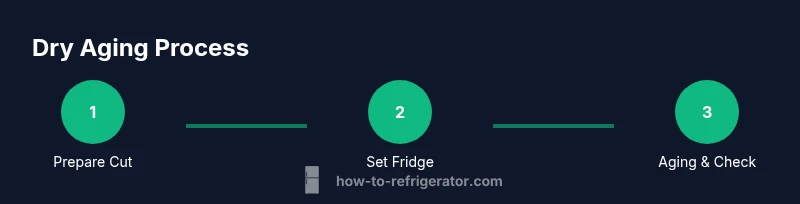
Turn your regular fridge into a controlled aging chamber with careful preparation. Start by cleaning and sanitizing every surface that will contact the meat. If possible, designate a dedicated fridge or a clearly separated zone inside the unit. Remove crisper drawers and shelves to reduce surfaces where condensation can collect. Place the meat on a wire rack or a shallow, non-absorbent tray to promote air circulation all around. Use a small fan aimed along the back area to create gentle airflow, but avoid direct, blowing air on the meat. Position a thermometer and a hygrometer to measure temperature and humidity; aim for stable conditions, and consider a shallow pan of water to help maintain humidity. Keep the fridge door closed as much as possible to maintain a steady environment. Regularly check for odors and condensation, which can indicate improper conditions.
The Aging Timeline: What to Expect
Aging meat in a home fridge is a balance between flavor development and safety. Shorter aging periods (around 2–3 weeks) yield subtler improvements, with a milder crust and closer texture to fresh beef. Longer aging (4–6 weeks or more) intensifies flavor and tenderness but requires stricter temperature and humidity control and more careful trimming of the rind. During aging, you may notice a natural crust forming on the surface; this rind blocks internal moisture loss and can be trimmed away before final portioning. Expect some moisture loss over time, which concentrates flavor but also reduces yield. If you observe strong off smells, sliminess, or unusual colors, discontinue aging and discard the affected portion. The How To Refrigerator team notes that home aging should be done conservatively, especially for first-timers.
Safety, Spoilage, and Quality Checks
Safety is paramount when aging meat at home. Spoilage can occur if temperature or humidity drifts, air exchange is insufficient, or cross-contamination happens. Signs of safe aging include a clean, earthy aroma, a firm crust, and no sliminess; however, any sour or rancid odor, sticky surface, or discoloration may indicate spoilage and should prompt disposal. Always handle meat with clean gloves and sanitize knives and boards between steps. After aging, trim away the crust and any discolored areas before cooking. If you are unsure about the safety of the product, it is better to err on the side of caution and discard. This approach aligns with practical food-safety principles supported by general guidelines from How To Refrigerator and public food-safety frameworks.
What You Can Do With Dry-Aged Meat
Once aged, dry-aged beef is prized for deep, nutty flavors and a concentrated texture. It shines when cooked using high-heat methods like searing and finishing with a quick roast or reverse-sear technique. Trim the aged crust, cut into steaks or roasts, and allow to rest before cooking. For best results, salt 40–60 minutes before cooking to enhance crust formation, then sear in a hot pan with a light coating of oil. Dry-aging also affects cooking time, so plan accordingly and use a meat thermometer to reach your desired internal temperature. With careful setup and careful cooking, a refrigerator-to-dry-age-meat project can yield restaurant-quality results at home.
How to Finish and Store After Aging
Finish by trimming away the hard outer crust and any heavily browned or discolored surface. Portion the meat and vacuum-seal or wrap tightly to prevent freezer burn if you plan to store. Label with date and cut, then refrigerate if you’ll cook soon, or freeze for longer-term storage. Proper wrapping minimizes exposure to air and odors while preserving the aged flavors. If you intend to reuse the aging fridge for other foods, thoroughly clean and sanitize after each aging session to prevent cross-contamination. The practical takeaway from How To Refrigerator is to treat home dry aging as a temporary, controlled process rather than a long-term storage solution.
Authority and Further Reading
For safety-focused guidance and context on meat handling, refer to U.S. government and university extension resources. These sources discuss temperature control, humidity management, and safe handling practices that apply to kitchen aging experiments and general meat preparation.