Difference Between Inverter Refrigerator and Normal Refrigerator: A Comprehensive Comparison
Explore the difference between inverter refrigerator and normal refrigerator with an objective, data-driven analysis. Learn how variable-speed compressors affect energy efficiency, noise, cost, and maintenance for homeowners.


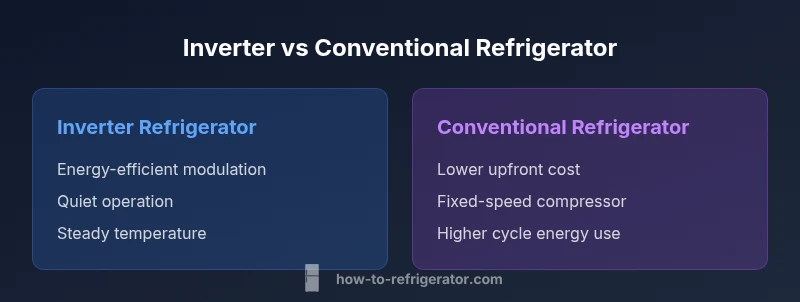
The difference between inverter refrigerator and normal refrigerator centers on the compressor. Inverter models use a variable-speed compressor to adjust cooling in real-time, delivering energy efficiency and smoother operation, while traditional models run a fixed-speed compressor and cycle on/off. This comparison outlines the practical impacts on energy use, temperature stability, noise, upfront cost, and long-term value for homeowners.
Understanding the Difference Between Inverter and Normal Refrigerators
The term inverter refrigerator describes a cooling system that relies on a variable-speed compressor to modulate cold air production based on demand. In contrast, a normal or conventional refrigerator uses a fixed-speed compressor that cycles on and off to maintain the set temperature. For homeowners evaluating kitchen appliances, the core distinction is not only the compressor type but also how that choice affects energy use, noise, temperature stability, and long-term costs. According to How To Refrigerator, this difference cascades into everyday experiences like faster temperature recovery after door openings, steadier internal conditions for perishables, and potentially lower electricity bills over the unit’s lifetime. This article will unpack the technology, performance trade-offs, and practical buying tips to help you choose the best fit for your home.
Core Technology: How the Compressors Differ
Inverter compressors adjust their speed smoothly from low to high, responding to changes in cooling demand without fully stopping. This modulation reduces energy waste and minimizes abrupt temperature swings. Traditional refrigerators rely on a binary on/off cycle: the compressor roars to full speed, then stops, only to restart when the temperature drifts. That cycling consumes more energy per cycle and can create noticeable temperature fluctuations inside the fresh-food and freezer compartments. The practical result is that inverter models tend to deliver steadier temperatures and quieter operation, especially when the doors are opened frequently. Homeowners often notice less gusty cooling and more consistent ice and dairy performance as a consequence.
Energy Efficiency and Long-Term Value
Energy efficiency is a central reason homeowners consider inverter refrigerators. The variable-speed compressor targets only the cooling you actually need, which can translate into measurable energy savings over time. The savings are most noticeable in households that routinely keep the doors open for longer periods, use multiple compartments, or live in climates with wide temperature swings. How To Refrigerator notes that while the upfront price of inverter units can be higher, the potential reduction in energy consumption may offset this premium across several years. When evaluating two models, compare not just the sticker energy rating but estimated annual usage under typical family patterns, like meal prep bursts, holiday gatherings, and pet care considerations that affect cooling demand.
Temperature Control and Food Freshness
A key benefit of inverter technology is tighter, more consistent temperature regulation. By continuously adjusting compressor speed, inverter refrigerators can maintain a near-constant environment, which helps preserve moisture, texture, and nutritional quality of produce, dairy, and meats. In conventional designs, the cycling compressor contributes to temperature fluctuations that, over time, can impact shelf life. For households that prioritize food quality and waste reduction, inverter models offer practical advantages by minimizing hot spots and cold spots across shelves. This stability also supports more reliable defrost cycles and more uniform humidity levels, which many users associate with fresher-looking produce.
Noise, Vibration, and User Experience
Noise and vibration are common consumer touchpoints when choosing between inverter and conventional fridges. Inverter systems typically run at lower speeds most of the time, producing less overall noise and reducing the likelihood of noticeable startup clanks. Conventional models may exhibit more pronounced cycling noises during compressor re-starts. For open-plan living spaces or homes with bedrooms near the kitchen, the quieter operation of inverter units can be a meaningful comfort factor. In addition, smoother cooling contributes to a calmer user experience during peak cooking times when the fridge is working harder to keep up with demand.
Durability, Maintenance, and Repair Considerations
Durability and maintenance are important for homeowners budgeting across appliance lifespans. Inverter refrigerators use sophisticated control electronics and a variable-speed compressor, which can mean more complex diagnostics if a failure occurs. However, modern service networks are well-versed in inverter tech, and many issues can be diagnosed remotely by manufacturers or trained technicians. Normal refrigerators, with simpler electrical systems, may be more approachable for basic troubleshooting but can suffer from more wear due to frequent on/off cycling. When planning service, check warranty terms, access to authorized service centers, and the availability of replacement parts for the compressor model used in your unit.
Upfront Cost Versus Long-Term Value
Upfront price often reflects the core design choice. Inverter refrigerators typically command a higher ticket than conventional models, reflecting the advanced motor control and electronics. The trade-off is the potential for lower ongoing energy costs and improved cooling performance. Homeowners should consider their electricity rates, usage patterns, and climate. If energy prices are high or the household frequently uses longer dwell times with the door open, inverter fridges may offer meaningful savings over the appliance’s life. If upfront cost is the most critical constraint, a conventional model could still meet basic needs while offering dependable cooling.
Real-World Scenarios: Choosing Based on Your Home
Consider the layout of your kitchen, the size of your household, and how you use the fridge day to day. Large families with frequent grocery runs benefit from steady temperatures and reduced energy spikes that inverter models often provide. Small households or renters may prioritize upfront price and simpler service options, where conventional fridges could be a sensible choice. Think about your proximity to service centers, warranty terms, and long-term ownership plans. For homes with solar installations or limited access to the grid, inverter-based systems can be especially advantageous due to potential energy savings during peak generation periods.
Buying Tips: What to Look for on Product Pages
When comparing models, look beyond the headline energy efficiency rating. Pay attention to the inverter technology type, the compressor design, and any advanced features like adaptive defrost, humidity-controlled drawers, and smart connectivity. Read the warranty language to understand what is covered and for how long, particularly for the compressor unit. Check consumer reviews for real-world noise levels and temperature stability. Finally, compare two or more reputable brands to gauge service quality and part availability in your region. How To Refrigerator recommends validating a model’s performance with real-world usage data and considering a return policy if the unit does not meet expectations.
Comparison
| Feature | inverter refrigerator | conventional refrigerator |
|---|---|---|
| Energy efficiency | high efficiency potential with variable speed | moderate efficiency with fixed cycles |
| Temperature stability | excellent stability due to modulation | adequate but less consistent |
| Noise level | lower noise due to gradual operation | noticeable cycling noises at startup |
| Upfront cost | higher upfront cost | lower upfront cost |
| Long-term savings | potential electricity savings over years | lower savings due to higher energy use |
| Repairability | more complex compressor tech, broader service network | simpler mechanics, widely available parts |
Strengths
- Better energy efficiency over time and lower operating costs
- Quieter operation and smoother cooling compared to traditional models
- More precise temperature control that helps preserve food quality
- Fewer temperature fluctuations during frequent door openings
Cons
- Higher upfront purchase price
- Potentially higher repair costs for complex compressor systems
- Availability varies by region and model selection
- Maintenance and service may require trained technicians
Inverter refrigerators generally offer better energy efficiency and quieter operation; conventional models remain viable for cost-conscious buyers.
Choose inverter if long-term energy savings and stability matter. Opt for conventional if upfront cost and broad availability are the primary concerns.
FAQ
What is the main difference between inverter refrigerator and normal refrigerator?
The main difference lies in the compressor: inverter models use a variable-speed compressor for continuous adjustment, while normal refrigerators use a fixed-speed compressor that turns on and off. This affects energy use, temperature stability, and noise. Both types perform cooling, but the inverter design is geared toward efficiency and smoother operation.
The main difference is the compressor; inverter fridges vary their speed for efficiency, unlike traditional models that switch on and off.
Do inverter refrigerators save energy?
Inverter refrigerators can save energy by modulating compressor speed to match cooling demand, reducing wasteful cycling. The extent of savings depends on usage patterns, climate, and model quality. Always compare real-world usage data and warranty coverage when evaluating energy claims.
Yes, inverter fridges tend to save energy by modulating cooling to demand, though savings vary by usage.
Are inverter refrigerators more expensive to buy?
Typically, inverter models have a higher upfront price due to the advanced compressor and control electronics. The long-term value should be weighed against projected energy savings and the owner’s willingness to invest in newer technology.
They usually cost more upfront, but may pay off with energy savings over time.
Is maintenance more challenging on inverter systems?
Inverter systems use newer technology, which can require specialized service. However, most manufacturers provide robust warranty coverage and have trained technicians. Regular cleaning and simple diagnostics can help prevent issues.
Maintenance can involve specialized services, but warranties and trained technicians help.
Should I buy inverter if I have solar panels?
Yes, inverter refrigerators can complement solar installations by reducing grid energy consumption, especially during peak sun hours. Check the total system efficiency and ensure the refrigerator’s energy patterns align with your solar production.
If you have solar, inverter fridges can better align with your energy production and save more.
What features should I look for beyond the compressor type?
Look for adaptive defrost, humidity-controlled drawers, good insulation, warranty terms, and service network availability. These features can influence overall performance and long-term satisfaction beyond whether the compressor is inverter-based.
Check defrost, humidity controls, insulation, warranty, and service options in addition to the compressor type.
Top Takeaways
- Assess your daily usage to estimate energy savings.
- Expect higher upfront cost with inverter models.
- Prefer inverter if noise sensitivity and temperature stability matter.
- Check warranty terms for compressors and electronics.
- Compare service availability before buying.