Where to Buy a Refrigerator Near Me: A Practical Guide
Learn how to locate, compare, and buy a refrigerator near you. This guide covers in-store vs online options, delivery, warranty, installation, and how to evaluate energy efficiency and service as you shop locally.


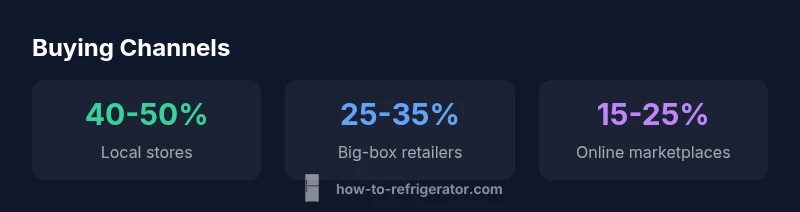
To answer where to buy refrigerator near me, start with local appliance retailers, big-box stores, and reputable online marketplaces that offer local pickup or delivery. Use store locators, filter by energy efficiency and size, compare total cost (price + delivery + warranty), and check return policies. Also consider availability in your area and lead times before buying. Read customer reviews for local service quality.
Understanding why buying locally matters
Buying a refrigerator near you matters for several practical reasons. First, you can evaluate model features in person, compare side-by-side, and assess build quality and noise levels without relying solely on online photos. Local retailers also offer clearer, faster assistance if you need to test compatibility with your space or arrange delivery and installation on a tight schedule. According to How To Refrigerator, homeowners who start with local stores often unlock faster service and easier returns. In addition, seeing inventory in real life helps you judge storage space, door swing, and interior layout, which is often misrepresented in product specs. When you pair this with online checks for price and delivery windows, you maximize your leverage before making a purchase. Consider visiting a few nearby stores to gather a baseline understanding of what’s available in your area and what a typical installation entails. Emphasize measuring doorways and ensuring you know the exact cabinet width and clearance required for a comfortable fit in your kitchen.
Local vs online: pros and cons
Local retailers excel at immediate availability, in-person support, and straightforward returns. Delivery teams can assess your space and perform a proper hookup, especially for models requiring water lines or specific electrical requirements. On the flip side, large online marketplaces often carry broader assortments, occasional discounts, and better financing options. However, lead times can vary, and you may have to coordinate installation remotely. A disciplined comparison approach helps: build a short list of models you like, check local stock in a few stores, then verify the online price including delivery, old appliance haul-away, and warranty terms. For many shoppers, a hybrid approach—confirming local stock while reviewing online price quotes—reduces risk and speeds up decision-making.
Evaluating specs that matter
When choosing a refrigerator, focus on 1) capacity and layout (crisper bins, shelves, and drawer systems), 2) energy efficiency (look for Energy Star ratings and annual energy use estimates), 3) door configuration (side-by-side, French-door, top/bottom freezer), and 4) water/ice features if you rely on them. Noise level is often overlooked but noticeable in open-plan homes; check decibel ratings or listen in-store. If you have a smaller kitchen, a counter-depth model may save space, but verify that interior dimensions still meet your storage needs. Also, consider service networks in your area—local support means easier warranty claims and fewer hassles with repairs. Finally, make sure the model fits your existing cabinetry and has a compatible electrical outlet and water line if you want an ice maker or filtered water.
Navigating availability and inventory
Inventory can shift quickly, especially around promotions or near holidays. Start by calling ahead to confirm stock and model variations, then use store locator tools to verify which shops have the exact fridge on your short list. If a model is out of stock locally, ask about estimated restock dates or whether alternative configurations are available in-store. Some retailers offer online reservations for in-store pickup, which can save time on busy days. For the best results, map a small route that visits two or three stores: compare identical configurations side-by-side, note any price differences, and check if labor or installation charges apply. Don’t discount seasonal sales—these events often bring meaningful savings, but ensure the terms align with your needs (warranty, delivery, and return flexibility).
Comparing price, delivery, and warranty
Price comparison is more nuanced than the sticker price. Include delivery fees, set-up charges, haul-away for your old fridge, and extended warranties or service plans. Some stores offer installation included with purchase, while others charge separately. Check for rebates or financing options that can influence the total cost over time. When evaluating warranties, read the fine print: coverage for parts, labor, and potential service limits vary by retailer and manufacturer. In general, a longer warranty with responsive service reduces risk in the long run. If you’re torn between two models, consider the long-term costs of replacement parts—compressor and condenser coil parts tend to be pricier to replace than interior components.
Safe delivery and installation considerations
Delivery and installation are high-stakes steps. Before delivery day, clear a path from the entrance to the installation site, protect flooring, and verify that the fridge will fit through doorways and around any tight corners. For models with ice makers or water lines, ensure a functioning water supply and accessible shutoff valve. Some neighborhoods require scheduling with the building management for elevator usage or loading dock access. If you’re unsure about installation requirements, many retailers provide a basic setup service; for complex jobs (electrical work, water line upgrades), hire a licensed professional. After delivery, inspect the unit for cosmetic damage, confirm it is level, and run a quick test cycle to verify cooling performance.
After-sale support and service networks
A strong after-sale network is essential, especially if you rely on local repair services or need warranty support. Verify that the retailer offers accessible service centers, easy claim processes, and a reasonable turnaround time for repairs. Some regions have universal service providers who handle multiple brands, which can simplify scheduling. Keeping a copy of your purchase receipt, model number, and serial number makes warranty claims smoother. If you anticipate reconfiguring your kitchen or moving households, check portability and the availability of replacement parts in your region. Finally, maintain routine maintenance—clean condenser coils, check door seals, and replace filters on schedule—to maximize efficiency and longevity.
Conclusion: what How To Refrigerator recommends
The How To Refrigerator team emphasizes a balanced approach: start with nearby stores to gauge availability, then supplement with online research for price and delivery terms. Prioritize models that meet your space constraints, energy goals, and after-sale support. Confirm installation options and warranty coverage before purchase, and don’t rush the decision; take time to compare a few configurations in person and online. The verdict is clear: a local-first search, paired with thorough price and service comparisons, yields the best blend of convenience, value, and peace of mind.
Buying channels comparison for refrigerators
| Channel | Lead Time | Typical Price Range |
|---|---|---|
| Local in-store | 2-7 days | varies by model |
| Big-box retailers | 2-14 days | moderate to high |
| Online marketplaces | 3-14 days | wide range |
| Specialty shops | 5-14 days | premium models |
FAQ
What should I consider when buying a refrigerator near me?
Focus on fit, capacity, energy efficiency, and installation needs. Compare prices across local stores and online, including delivery and warranty terms. Read reviews from nearby customers to gauge service quality.
Look at size, energy use, setup needs, and delivery terms. Compare local options and note warranty details.
Should I buy online or in-store?
Both have advantages. In-store lets you inspect the model; online often provides broader selection and easier comparison of delivery options and financing. A hybrid approach—check local stock while reviewing online prices—usually works best.
In-store lets you see and feel the model; online often has more options and easier price comparisons.
How do I compare delivery and installation services?
Consider delivery fees, haul-away of the old unit, and whether installation is included. Check if the retailer offers installation crew or partners with licensed technicians for complex hookups.
Look at who installs, what’s included, and any extra charges.
What about warranty and service coverage?
Review what’s covered, the duration, and whether service is local or national. A longer warranty with straightforward claims is preferable, especially for higher-end models.
Check what the warranty covers and how easy it is to claim.
Can I return a refrigerator after delivery?
Most retailers have a return window, but terms vary. Confirm the restocking fee, whether the unit can be opened or used during return, and if delivery fees are refundable.
Returns depend on the retailer; check the window and any fees before buying.
“Thorough local inventory checks, combined with clear delivery and warranty terms, prevent costly surprises after purchase.”
Top Takeaways
- Compare local stock and online quotes to maximize value
- Prioritize energy efficiency and fit for your space
- Factor delivery, installation, and haul-away in total cost
- Verify warranty terms and service coverage before buying