Rent a Refrigerator Dolly: How to Move a Fridge Safely
Learn how to rent a refrigerator dolly, choose the right model, prepare your move, and move your fridge safely with expert, actionable guidance from How To Refrigerator.


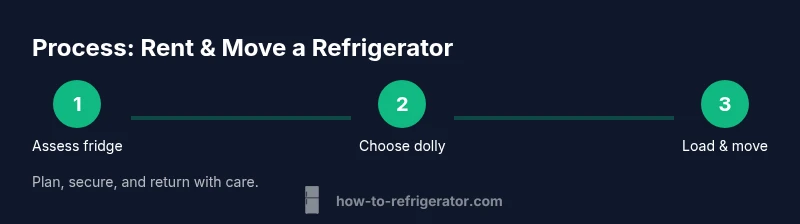
By the end of this guide, you will be able to rent a refrigerator dolly and move a fridge safely with basic tools. To start, identify a dolly that supports your fridge weight, reserve online or in-store, and secure the appliance during transport. You’ll also learn packing, lifting, and return steps to minimize damage.
Why rent a refrigerator dolly
Moving a heavy appliance like a refrigerator without the right equipment raises the risk of injury and floor damage. Renting a dedicated refrigerator dolly minimizes strain on your back and protects floors, doors, and corners during the move. According to How To Refrigerator, using a purpose-built dolly is safer and often more cost-effective than improvised carts or hand-wheeling the unit across slick surfaces. This block explains why a dolly matters, what to look for when you rent a refrigerator dolly, and how to plan a moves with confidence. By understanding capacity, wheel type, and platform dimensions, you can ensure the dolly fits your fridge and hallway constraints. The goal is a clean, safe move with minimal bending and no accidental fridge tipping. As you proceed, record measurements and note any tight spaces that could require extra planning. The How To Refrigerator team emphasizes safety and preparation as the foundation of a smooth relocation.
How to assess your fridge and dolly needs
Before you rent a refrigerator dolly, take stock of the fridge's dimensions and weight, plus the routes you must navigate. Measure width, height, and depth of the appliance, and note any protruding handles or doors. If the weight isn’t posted on the unit, estimate based on model size and doors; this helps you pick a dolly with an appropriate weight rating. Also assess your doorway widths, stair access, and hallway turns. Choosing a dolly with adequate load capacity and compatible wheel type is essential for safe transport. When you rent a refrigerator dolly, aim for a platform large enough to sit flush against the base and wheels that glide smoothly on your floor type. The goal is a snug, balanced ride that keeps the fridge upright throughout the move.
Where to rent a refrigerator dolly
You have several reliable sources for renting a refrigerator dolly. Local hardware stores, moving supply shops, and some equipment rental companies commonly stock appliance dollies. Online rental platforms can offer delivery or pickup options, which is convenient if you don’t have a vehicle to transport the dolly yourself. Compare daily or hourly rates, confirm the dolly’s weight rating, wheel type, and whether straps or blankets are included. If you’re moving a larger fridge or navigating tight spaces, look for a heavy-duty dolly with wide, rigid wheels and a broad platform. Plan to reserve in advance during peak moving periods to ensure availability. When in doubt, ask store staff about compatibility with your specific fridge model and home layout.
How to inspect and pick the right dolly
Inspect the dolly for visible defects before accepting it. Check the frame for cracks, ensure the wheels rotate freely, and test the handle for secure grip. The platform should be wide enough for the fridge’s base and have non-slip edges. If your fridge has a water dispenser or protruding doors, verify there’s ample clearance so the unit won’t hang off the edge during loading. Look for a dolly with a weight rating comfortably above your fridge’s estimated weight and with two or more straps to secure the appliance. If possible, bring a tape measure to confirm platform width matches your fridge’s base.
Preparing before you rent: measuring and planning
Preparation reduces the risk of surprises on moving day. Measure the fridge and doorways, plan your furniture-avoidance route, and clear the path of obstacles. Create a simple diagram if needed, mapping the route from kitchen to destination, noting turns and level changes. Check if you will need a helper and a second person to assist with loading and unloading. If your fridge is on a raised floor or carpet, consider a dolly with pneumatic wheels for smoother movement. Finally, verify rental terms, including pickup time, return policy, and whether the rental includes moving blankets or straps. A clear plan makes the actual move safer and faster.
Setting up the space and prepping the fridge
Prior to loading, unplug the fridge and allow any coils to settle, ensuring the interior is not hot. Empty the shelves and drawers or secure them with tape to prevent shifting. Place moving blankets around the fridge to protect the finish and nearby walls or furniture. If available, use edge guards or corner protectors to shield corners during turns. Check the path for reflective surfaces or glass doors that could be knocked. By preparing the space and the appliance, you reduce the chance of damage and make the dolly’s job easier.
Loading the fridge onto the dolly and securing it
With a helper, tilt the fridge slightly and slide the dolly’s platform under the unit, keeping it as upright as possible. Use a strap to secure the fridge to the dolly’s frame, pulling the strap tight enough to prevent shifting but not so tight you deform the doors. Place blankets between the fridge and the dolly if needed to cushion edges. Ensure the weight is centered over the dolly’s wheels and that the fridge remains upright during loading. Double-check that all straps are fastened and that there’s no loose debris on the platform that could cause slipping.
Moving through doorways and hallways safely
Plan your turns and adjust your path to avoid scraping walls, doors, or furniture. Have a second person guide the load and watch for clearance issues at door frames. Move slowly, keeping the dolly’s front wheels under control and the load balanced. If you encounter stairs, disassemble the move into smaller segments or seek professional help—the risk of tipping increases with steps. Keep feet apart for balance and bend your knees, not your back, while pushing or pulling. If the path narrows, back up and re-route rather than forcing the fridge through.
Unloading, returning the dolly, and post-move checks
Once you reach the destination, reverse the loading process: remove straps, slide the dolly away, and lower the fridge gently. Inspect the appliance for scratches or dents that may have occurred during transit and document them if needed for the rental provider. Return blankets and straps in their original condition and confirm the dolly is clean before returning. If you notice any functional issues upon arrival, report them to the rental company promptly. By following proper unloading and return steps, you protect your equipment investment and maintain a smooth rental experience.
Safety and common mistakes to avoid when renting a fridge dolly
Common mistakes include attempting to move a heavy fridge alone, skipping the use of straps, and ignoring floor protection. Always use two people for lifting, loading, and transport, and keep the appliance upright. Do not exceed the dolly’s weight rating or over-tighten straps. Unexpected turns or poorly padded surfaces can cause the fridge to shift, so take extra care on uneven floors. These practices reduce the risk of injuries and damage and align with best practices endorsed by How To Refrigerator.
Renting on a budget: tips and alternatives
If budget is a concern, compare rental durations and consider weekend rates or multi-day packages. Use moving blankets to cushion surfaces and reduce wear on walls and floors, and reuse straps from previous moves when they’re in good condition. If renting a dolly isn’t practical, you might borrow from a friend or hire a professional service for the move, especially for larger or heavier fridges. Always factor in time, effort, and safety when deciding between renting and hiring assistance. How To Refrigerator’s guidance supports choosing the more economical and safer option for your situation.
Tools & Materials
- Refrigerator dolly (appliance dolly)(Weight rating should exceed your fridge’s estimated weight; check wheel type and platform width)
- Moving straps(Two secure straps with strong buckles; never rely on rope)
- Moving blankets or edge guards(Protects finishes and walls; confirm availability with rental shop)
- Gloves(Non-slip grip; protects hands during loading and guiding)
- Tape measure(Helpful to verify doorway width and platform size)
- Clear path indicators (cones or markers)(Mark path to avoid tripping or collisions)
- Helper(A second person to stabilize and guide during loading and moves)
Steps
Estimated time: 45-90 minutes
- 1
Assess fridge size and weight
Measure width, height, and depth of the fridge. Estimate weight if the label is unclear and plan for two movers if needed. This helps you pick the right dolly and prevents overloading the wheels.
Tip: Take photos of the fridge and doorway dimensions for reference at the rental desk. - 2
Find a rental option
Check local hardware stores, moving supply shops, and online rental platforms. Confirm availability for your move date and ensure the dolly’s weight rating fits your fridge.
Tip: Call ahead to reserve and confirm pickup times to avoid delays. - 3
Check dolly capacity and features
Inspect the dolly you plan to rent. Ensure wheels rotate smoothly, the frame is intact, and there are straps or attachment points to secure the fridge.
Tip: Prefer wide platforms with sturdy wheels for stability on thresholds. - 4
Reserve and pick up the dolly
Finalize the rental and collect the dolly. Inspect it again on pickup and confirm any included accessories such as blankets or straps.
Tip: Test wheel movement and ensure you have a second person to assist. - 5
Prep the space and fridge
Clear the path, unplug the fridge, and remove detachable shelves if needed. Protect walls and floors with blankets and ensure the route is free of obstacles.
Tip: Secure loose items inside the fridge to prevent shifting during transport. - 6
Load the fridge onto the dolly
With a helper, slide the dolly under the fridge, keeping it as upright as possible. Use straps to secure the unit firmly to the dolly.
Tip: Center the weight and avoid tipping the fridge more than necessary. - 7
Move through the space
Push rather than pull to maintain better control. Navigate doorways slowly and have a guide assist to prevent collisions.
Tip: Take small, deliberate turns and watch for clearance at turns. - 8
Unload and return the dolly
Lower the fridge safely, detach straps, and return the dolly with all accessories in good condition.
Tip: Document any damage with photos and report promptly to the rental provider. - 9
Post-move checks
Inspect the appliance for scratches or dents after the move and verify no doors are misaligned. Reset shelves and test a quick function if needed.
Tip: Keep a small first-aid kit nearby in case of minor scrapes during the move. - 10
Review the experience
Note what worked well and what could be improved for next time. This will help when you rent again or help a friend move a fridge.
Tip: Share tips with neighbors or the community to streamline future moves.
FAQ
Is a fridge dolly really necessary for moving a fridge?
For most fridges, using a dolly reduces the risk of injury and damage. It provides a stable base and makes steering easier, especially through doorways and around corners.
Yes. A refrigerator dolly is generally essential for safe and efficient moving.
Where can I rent a refrigerator dolly?
Rentals are available at hardware stores, moving supply shops, and some equipment rental services. Online platforms may offer delivery or pickup. Check the weight rating and whether straps or blankets are included.
You can rent a refrigerator dolly from hardware stores or moving supply shops, often with options for pickup or delivery.
What capacity should I look for in a dolly?
Choose a dolly with a weight rating above your fridge’s estimated weight and a wide platform to fit the base. Ensure the wheels are appropriate for your floor type to prevent marring or sticking.
Pick a dolly with a weight rating higher than your fridge and a wide, stable platform.
Can I move a fridge by myself without a dolly?
Moving a refrigerator without proper equipment is risky. A dolly helps maintain balance and protects floors, walls, and doors. If you must move without one, hire professional help.
No, it’s risky to move a fridge without proper equipment; consider renting a dolly or hiring help.
What should I do if the fridge doesn’t fit through a doorway?
If a doorway is too narrow, re-route the path or temporarily remove doors to increase clearance. Sometimes a slightly smaller dolly or rotating the fridge at the entry can help, but do not force it.
If it doesn’t fit, reroute the path or remove obstructions instead of forcing the fridge through.
Are there alternatives to renting a fridge dolly?
Alternatives include using furniture sliders on a flat surface with multiple people, or hiring a professional moving service for heavier or oddly shaped fridges. However, a dolly is typically the safest and most cost-effective option for most homes.
Alternatives exist, but a dolly is usually the safest and most affordable option.
Watch Video
Top Takeaways
- Plan the route and measure all openings before renting.
- Choose a dolly with adequate weight rating and smooth wheels.
- Secure the fridge with straps and blankets to protect surfaces.
- Move slowly with a second person guiding for safety.
- Return the dolly promptly and document any damage.