How Much Refrigerator Costs in 2026: A Practical Budget Guide
Learn how much refrigerator costs in 2026, what drives the price, and how to budget for new, used, or refurbished units. How To Refrigerator explains size, features, energy ratings, and installation costs.


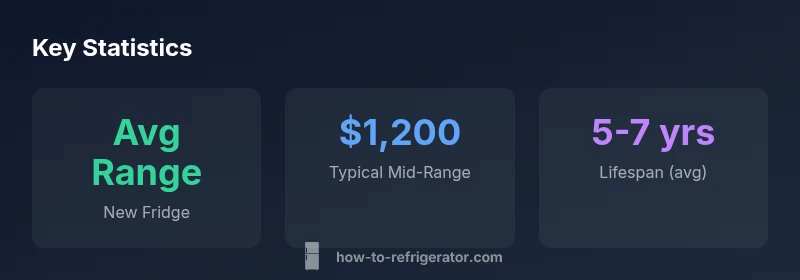
Across the market, a new refrigerator typically costs between $600 and $1,800 for standard models, with larger French-door or specialty units reaching $2,500 or more. Price largely reflects size, configuration (top/bottom/freezer, French doors), energy rating, and extra features such as smart controls or advanced ice dispensers.
How Much Refrigerator Price Depends on Size and Configuration
According to How To Refrigerator, price ranges reflect the size and layout you choose. In general, the rule is simple: bigger units and more complex configurations cost more upfront, but they may offer long-term savings on energy or food preservation. When you ask how much refrigerator costs, the first factor is capacity measured in cubic feet. A compact under-3 cu ft model will usually sit at the low end of the price spectrum, while a full-size French-door unit can push toward the high end. The configuration—whether a simple top-freezer, a bottom-freezer, or a multi-door arrangement with flexible shelves—also drives price. If you plan to store large families or bulk groceries, invest in capacity now to avoid future replacement costs. The goal is to balance immediate cost with usable space and reliability over time.
Another key determinant is the finish and interior features. Stainless steel or fingerprint-resistant finishes, along with interior lighting, door-in-door features, and smart controls, add to the ticket price. Yet these upgrades can improve daily usability and energy performance, reducing operating costs over the life of the appliance. When evaluating how much refrigerator to buy, consider not just the sticker price but the total cost of ownership (TCO).
For homeowners, a practical starting point is to map your kitchen footprint, estimate the required cubic feet, and set a rough budget. If you only need a basic model for a small apartment, aim for the low-to-mid range. If you’re upgrading for a larger family, you’ll likely invest in a mid-range or premium unit with added features. Budgeting in this way helps align expectations with real-world options.
Energy efficiency and added technology influence the cost
Energy efficiency is a major driver of refrigerator price. Models with high efficiency ratings typically use better compressors, improved insulation, and advanced refrigerants that reduce annual energy consumption. In practice, a more efficient unit may cost more upfront, but it earns back some of the premium through lower electricity bills over time. If you add features like smart connectivity, Wi-Fi controls, or advanced water/ice dispensers, you should expect a higher purchase price. However, these features can add convenience and, in some cases, improve food preservation and inventory management. When you compare prices, look for Energy Star ratings as a baseline; calculate potential savings using your local electricity rate and expected usage. Baseline efficiency gains may offset the premium on a multi-year horizon, particularly for larger families or households that run their fridge aggressively.
Budget tiers: what you can expect in entry, mid, and premium segments
Entry-level (basic function): Expect compact footprints and straightforward configurations. Price ranges tend to be at the lower end of the spectrum and are often adequate for singles, small apartments, or studios. Mid-range (balanced price and features): These models typically offer better energy efficiency, more doors or configurable storage, and fairly reliable performance. Premium (designer finishes, smart features, and large capacities): Expect higher upfront costs, but with enhanced convenience, durability, and potentially longer warranties. When budgeting, consider whether premium features solve a pain point for your daily use or simply add luxury. How To Refrigerator guidance suggests prioritizing features that reduce waste, save energy, and streamline maintenance.
Delivery, installation, and warranties
Delivery and installation can add a meaningful uptick to the total cost, especially for larger units or special installation requirements (like water lines). Some retailers include basic setup, while others charge separately for haul-away or disposal of the old refrigerator. Warranties vary widely by brand and model, with longer protection plans typically costing more upfront but offering potential long-term savings on repairs. Check whether in-home installation is included, whether the warranty covers parts and labor, and how long the coverage lasts. To avoid surprises, request a written price quote that itemizes product price, delivery, installation, and any add-ons.
New vs used vs refurbished: total ownership and risk factors
New refrigerators come with full warranties and the assurance of modern features and energy efficiency. Used or refurbished units are more affordable upfront but carry risks such as unknown wear, shorter remaining warranty, and potential performance issues. If buying used, insist on a working compressor test, interior inspection, and verification of the ice maker (if present). Refurbished units can offer a middle ground with a warranty from the refurbisher but may still require more maintenance down the line. When considering how much refrigerator to purchase, factor in the likelihood of future repairs and the cost of any parts that may need replacement sooner than you expect.
How to build a practical budget and avoid overspending
Start with a clear capacity target based on your family size and shopping habits. Compare at least three models in your target range and evaluate energy usage, capacity, and warranty terms side by side. Use price-per-cubic-foot as a quick heuristic to compare value across sizes. Don’t overlook delivery and installation costs, which can swing your total expenditure by hundreds of dollars. If you have time, watch for sales around holiday weekends and model year transitions, which commonly bring price reductions. Finally, read consumer reviews focusing on reliability and after-sales support to avoid getting saddled with frequent repairs.
Shopping tips to compare refrigerator prices effectively
To decide how much refrigerator to buy, create a simple decision matrix: rank capacity, energy efficiency, and must-have features, then fit these into your target budget. For quick comparisons, use price-per-cubic-foot and annual energy cost estimates. Price ranges vary by region and retailer, so check multiple sources and watch for bundled deals that include delivery or extended warranties. Remember that a higher upfront cost can pay off with lower operating costs and better reliability over a 5–10 year horizon, especially for busy households. The How To Refrigerator team recommends focusing on total cost of ownership rather than sticker price alone.
Price ranges by refrigerator type
| Category | Typical Price Range (new) | Typical Price Range (used) | Notes |
|---|---|---|---|
| Compact/Under 3 cu ft | $300-$600 | $100-$350 | Best for small spaces |
| Standard Top/Bottom Freezer | $600-$1,200 | $250-$900 | Most common family size |
| French Door / Side-by-Side | $1,500-$3,000 | $800-$2,000 | Premium features, larger capacity |
FAQ
What is the typical price range for a new refrigerator?
Prices vary by size and features, but new refrigerators generally span from budget to premium segments. Expect broader ranges for larger capacities or advanced technologies like smart controls.
Prices vary by size and features, but you’ll usually see budget to premium options depending on capacity and tech.
Are used refrigerators cheaper than new ones?
Used refrigerators are typically cheaper upfront but come with higher risk and potentially shorter remaining life. Inspect the unit thoroughly and verify the compressor and seals.
Used fridges are cheaper upfront but come with more risk; inspect thoroughly before buying.
Which features add the most cost?
Large capacity, French-door or side-by-side configurations, smart features, and high-end finishes generally add the most to upfront price.
Big capacity, premium configurations, and smart features tend to raise the price the most.
How long does a refrigerator typically last?
Most refrigerators last 10–15 years with proper maintenance. Older units may require more frequent repairs as components wear out.
Most fridges last about a decade and a half with good care.
Is it cheaper to repair or replace a failing fridge?
If repair costs approach 50% or more of a new unit’s price, replacement is usually more cost-effective over time, especially with energy-efficient models.
If repairs cost half or more of a new fridge, replacement often makes more sense.
What should I budget for installation and delivery?
Delivery and installation costs vary; plan for at least $100–$300 where allowed, and check if haul-away or water-line setup is included.
Set aside around $100 to $300 for delivery and setup, depending on the retailer and location.
“A smart budgeting approach starts with capacity needs and energy costs, then aligns features with daily use to avoid overspending.”
Top Takeaways
- Budget for total cost of ownership, not just sticker price
- Size and configuration are the primary price drivers
- Energy efficiency can offset upfront costs over time
- Delivery, installation, and warranties add to overall cost