How Many Refrigerators Do You Need? A Practical Guide
Learn how many refrigerators you really need for your home. This guide covers family size, space, energy use, and practical maintenance tips to save money and reduce waste.


The typical answer is that most homes need one refrigerator, with a second only for overflow, special spaces, or busy households. Your exact need depends on family size, kitchen layout, and lifestyle. How To Refrigerator analysis shows that a second unit is common among families with kids, frequent entertaining, or separate beverage and freezer zones.
Understanding the core question: how many refrigerators do you really need?
There isn’t a one-size-fits-all answer to this question, and the right number depends on how you live in your home. For most households, one refrigerator suffices for daily meal planning, family meals, and weekday routines. However, if you regularly host gatherings, have growing kids, or maintain separate beverage and prep zones, a second unit can improve organization and reduce cross-traffic during peak times. The decision should balance practicality with energy use, floor space, and maintenance workload. As you evaluate, think of a refrigerator as part of a broader system: storage, accessibility, and workflow all influence the total count you will actually need.
This article helps homeowners quantify the need using simple questions and concrete scenarios. The aim isn’t to push you toward owning more units, but to illuminate when a second fridge adds real value and when it’s better to optimize a single, well-organized system.
Core factors that influence your decision
Several factors determine whether one or two refrigerators makes sense:
- Family size and habitual patterns: Larger households or those with frequent meal prepping can benefit from extra storage.
- Kitchen and space layout: Is there a dedicated spot for a second unit, such as a garage, basement, or pantry? Is there an electrical circuit available, and can you accommodate door swing and ventilation space?
- Lifestyle and entertaining frequency: Regular gatherings, hobby-based food prep (baking, fermentation), or bulk buying can create overflow.
- Special needs and use cases: Beverage fridges, wine cellars, child-friendly zones, or seafood/beverage storage may justify dedicated units.
- Energy and maintenance considerations: More units mean higher standby load, more filters to replace, and more surfaces to clean. Energy-efficient models can mitigate the cost impact.
How To Refrigerator Analysis, 2026 finds that a second unit is most common in households with dedicated beverages, multiple dietary needs, or seasonal storage demands. In contrast, compact apartments or small kitchens often function best with a single, well-organized refrigerator and a smart backup strategy for overflow.
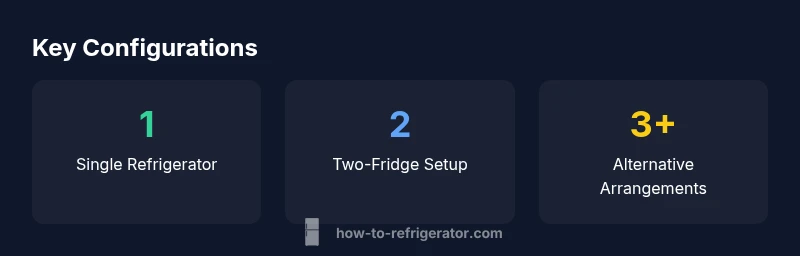
Typical configurations: one vs. two refrigerators
Here are common setups and when they work:
- Single refrigerator (standard): Ideal for small households or apartments with limited space. Focus on optimizing interior organization and door storage to maximize capacity.
- Two refrigerators (standard + secondary): Useful for families with kids, frequent entertaining, or seasonal storage needs. The second unit can be a compact model in a garage or basement to separate beverages and bulk items from daily groceries.
- Under-counter and integrated options: For homes with tight footprints, a small under-counter fridge can supplement a full-size unit, especially in kitchens with limited wall space or for dedicated beverage storage.
- Garage or outdoor fridges: Great for pooling bulk items, outdoor gatherings, or hobby spaces; ensure climate-appropriate placement and weather protection.
Each configuration carries trade-offs: more devices mean more maintenance tasks, potential temperature control challenges, and higher upfront and operating costs. The goal is to align the count with actual needs, not perceived convenience.
Energy, space, and maintenance considerations
Energy efficiency is a critical factor when contemplating multiple refrigerators. While a second fridge increases capacity, it also adds standby energy use. If you decide to add a unit, look for ENERGY STAR-rated models and consider features like manual defrost to reduce energy waste. In spaces with higher ambient temperatures (garages or sunlit kitchens), you may see slightly higher consumption and need for better insulation or a more efficient compressor.
Space planning matters as much as capacity. Assess door swing clearance, ventilation requirements, and proximity to heat sources (stove, dishwasher) to prevent performance drop. Use clear labeling and separate zones to keep temperatures stable across units. Regular maintenance—cleaning coils, sealing doors, and checking gaskets—extends the life of multiple fridges and saves energy over time.
If you’re unsure about the need for a second fridge, run a practical test: track your overflow items for two weeks and note how often you reach for the second unit. If overflow remains a chronic issue, a second fridge may offer measurable benefits. If overflow spikes only seasonally, better organization or a temporary chest freezer may be a more economical option.
A practical decision framework: 5-step checklist
- Map your current usage: List items that routinely need long-term storage (bulk meat, frozen produce, beverages) and identify peak weeks.
- Measure space and power: Confirm available floor area, door clearance, and electrical capacity for an additional fridge.
- Compare operating costs: Estimate annual energy use for your current fridge versus a proposed second unit and weigh against potential savings from reduced waste.
- Consider maintenance workload: More units mean more cleaning, defrosting (if not frost-free), and door seal checks.
- Decide with a time horizon: If you expect multiple years of use, a second fridge may be worth it; if not, consider alternatives like better organizing or using a chest freezer for overflow.
Configuration options for fridge setups
| Configuration | Typical Capacity | Best For | Energy Use (approx) |
|---|---|---|---|
| Single Refrigerator | 18-25 cu ft | Small households, apartments | 250-500 kWh/year |
| Second Refrigerator | 4-7 cu ft (backup) | Families with overflow | 200-400 kWh/year |
| Under-counter Refrigerator | 3-6 cu ft | Homes with limited space | 60-120 kWh/year |
| Garage/Outdoor Refrigerator | 5-20 cu ft | Recreational spaces, garages | 180-360 kWh/year |
FAQ
How many refrigerators do most households have?
Most households rely on a single refrigerator, with a second unit only in cases of overflow, frequent entertaining, or specific storage needs. The number should reflect actual usage patterns and space.
Most homes use one fridge; a second is only worth it if you regularly see overflow or specific storage needs.
Is it worth having a second fridge in a garage or basement?
A second fridge in a garage or basement can be worthwhile for overflow and seasonal storage, especially for households that stock bulk items or entertain frequently. Factor climate, energy use, and entry points for maintenance.
Yes, a garage fridge can be handy for overflow if you have space and energy efficiency is good.
What factors influence how many refrigerators I should own?
Family size, shopping habits, space availability, and how you store items (bulk vs. daily groceries) all influence the count. Also consider the maintenance burden and potential energy costs of multiple units.
Think about your family size, space, and how you shop; those decide the right number.
How does energy efficiency affect the decision?
Energy-efficient models reduce operating costs, which can offset higher upfront prices when you add a second fridge. Compare kWh ratings and consider proper placement to maximize efficiency.
Energy efficiency matters—it can make a second fridge affordable over time.
What maintenance tips help when you have multiple fridges?
Keep door seals clean and tight, defrost if needed, clean condenser coils, and monitor temperatures with a thermometer. Schedule periodic checks to prevent inefficiency and ensure safe storage.
Regular gasket checks and coil cleaning keep multiple fridges running smoothly.
“Choosing how many refrigerators to own comes down to practical space and daily workflow; energy-efficient models can reduce cost regardless of count.”
Top Takeaways
- Start with one fridge for most homes; add a second only for overflow.
- Evaluate space and door swing before buying a second unit.
- Factor energy use and potential payback when adding a second fridge.
- A second fridge adds maintenance; plan for gasket checks and defrosting cycles.
- Use a practical backup plan for repairs to minimize downtime during outages.