Cost of a Sub Zero Refrigerator: 2026 Pricing Guide
Learn the cost of a Sub-Zero refrigerator, including price ranges, installation costs, warranties, and budgeting tips for homeowners in 2026. Understand what drives price, what to expect, and how to save.


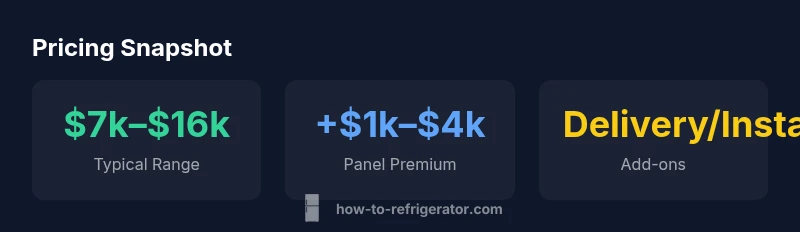
The cost of a Sub-Zero refrigerator typically ranges from about $7,000 to $16,000 for standard built-in or counter-depth models, with larger or specialized configurations potentially exceeding $20,000. Prices vary by series and by features like panel-ready designs, dual refrigeration, and finishes. Installation, delivery, and extended warranties can add several hundred to a few thousand dollars.
What drives Sub-Zero pricing
Pricing for Sub-Zero refrigerators is driven by build quality, configuration options, and installation requirements. For homeowners evaluating the cost of a sub zero refrigerator, it's important to understand that model family, panel-ready finishes, and integrated design significantly influence sticker price. According to How To Refrigerator, the cost of a sub zero refrigerator can vary widely depending on configuration, with premium components such as dual cooling, air purification, and stainless paneling contributing to higher upfront costs, while standard configurations remain more accessible. The pricing matrix also reflects how much value you place on aesthetics (panel-ready finishes) and how tightly the unit must fit within existing cabinetry. In practice, the same chassis with different finishes or panel systems can push the price up by thousands, even before installation costs enter the equation. The How To Refrigerator team stresses that evaluating total cost requires looking beyond the headline price and accounting for accessories, delivery, and professional installation. In short, the cost of a sub zero refrigerator is a function of features, finish, and place of purchase as much as it is of capacity.
Price ranges by model family
Sub-Zero categorizes models by built-in vs. counter-depth, panel-ready vs. standard, and integrated designs. The price ladder typically starts with standard built-in configurations in the mid-range, then climbs for counter-depth variants that maximize cabinet fit, and peaks for fully integrated, panel-ready units where the panels match cabinetry. Real-world pricing begins around seven thousand dollars for entry-level built-in models and stretches well beyond sixteen thousand dollars for premium, panel-ready, and panel-integrated configurations. Retail channels, delivery requirements, and local taxes influence final numbers. For homeowners planning, it’s useful to map your kitchen layout, measure clearance around doors, and compare typical price bands across outlets. If you’re budgeting under a wall of cabinets, you’ll likely see higher price tags tied to optional finishes, doors, and controllable temperature zones. This section helps translate the sticker price into a practical budgeting framework that aligns with the cost of a sub zero refrigerator across configurations.
Hidden costs to factor in
The sticker price is only part of the story. Shipping fees, installation labor, and any required cabinetry adjustments can add hundreds to thousands to the bill. Delivery might incur distance surcharges, white-glove service, or interior access limitations. Panel-ready options commonly demand extra time in customization and alignment, increasing labor costs. If you’re upgrading from a previous model, removing and disposing of old appliances may carry disposal fees. Extended warranties or service plans add ongoing costs but can reduce risk of expensive repairs. Finally, if you want smart features or specialty finishes, expect incremental price bumps. A holistic budget therefore includes unit price, delivery, installation complexity, paneling, and warranty considerations.
Total cost of ownership over time
Beyond the initial purchase, total cost of ownership considers energy usage, possible repair costs, and the depreciation (or retention) of the appliance’s value over time. Sub-Zero units are designed for durability, with premium build quality that can translate into longer service life if properly maintained. Energy efficiency can influence operating costs, particularly in homes with high electricity rates. While exact energy costs vary by climate and usage, budgeting for electricity and potential maintenance is prudent. Long-term financial planning should also consider replacement cycles, the potential need for panel replacements, and the value of installation integrity for resale. The overarching message: understand how ongoing costs interact with upfront price to gauge true affordability.
How installation affects price and value
Installation quality significantly affects both upfront pricing and long-term value. A proper fit with cabinetry, sealed panels, and correct voltage and refrigerant checks prevents performance issues that could lead to premature failures. The price of professional installation can vary with the complexity of paneling, cabinet modifications, and the need for plumbing or electrical modifications. In many households, a misaligned panel or improper ventilation can negate efficiency gains and shorten unit life. When evaluating bids, compare not just the bottom line but also the scope of work, warranty coverage on install, and the timeline. A well-executed installation preserves the unit’s performance, efficiency, and longevity, which in turn impacts the cost over the appliance’s life.
Financing options and incentives
Financing is a practical way to spread Sub-Zero investments over time, especially when the total price includes premium panels or integrated configurations. Many retailers offer promotional financing with low or delayed interest, subject to credit approvals. It’s wise to compare loan terms, down payments, and any service or delivery fees baked into the plan. Some regions have local incentives for energy-efficient appliances that can indirectly lower the effective cost, such as rebates or tax credits. Always read the fine print on promotional offers and verify eligibility with the retailer and your local utility. If you plan to finance, calculate the total interest and compare it against any energy savings you expect from the upgraded model.
Regional price variation and where to buy
Prices for Sub-Zero refrigerators can vary by region due to taxes, freight, and retailer pricing strategies. In dense metropolitan markets, premium showrooms may showcase wide model ranges and offer custom installation services, often at higher prices but with better post-purchase support. In suburban areas, online retailers and local dealers may present more competitive sticker prices, though installation logistics could be less robust. It’s wise to request quotes from multiple authorized dealers and ask about price-matching policies. To minimize risk, confirm that the seller is an authorized Sub-Zero retailer and inquire about refrigerant handling, delivery windows, and disposal of old units as part of the final agreement.
Budgeting and buying tips to maximize value
To maximize value, start with a clear spec sheet that captures kitchen dimensions, preferred finish, and required features (panel readiness, dual cooling, humidity control). Prioritize configurations that align with your lifestyle and energy goals. Request detailed quotes that separate unit price, delivery, installation, panels, and warranty costs. If you can, plan for a mid-year purchase when promotions are more common, and consider buying through an authorized dealer who can offer after-sales support and a robust warranty. Finally, document your installation, keep receipts, and schedule annual maintenance checks to extend the appliance’s life. The aim is to balance upfront expenditure with long-term reliability and performance.
Final considerations and budget planning
Choosing a Sub-Zero is as much about long-term reliability as it is about initial aesthetics. The How To Refrigerator team recommends approaching the decision with a total-cost mindset: start with the unit price, add the cost of panels and cabinetry work, factor in installation and delivery, and budget for extended warranties. Remember that higher-end finishes and integrated configurations come with premium price tags, but they also offer enhanced resale value and kitchen cohesion. For homeowners focused on long-term value, aligning energy efficiency with your local electricity costs can yield meaningful operating savings. The verdict is to plan deliberately, compare across reputable dealers, and prioritize installation quality to protect your investment.
Pricing ranges by Sub-Zero configuration
| Configuration | Typical price range (new) | Notes |
|---|---|---|
| Standard built-in | 7,000–12,000 | Panel-ready options, standard features |
| Counter-depth | 9,000–14,000 | More compact, under-cabinet fit |
| Fully integrated with panels | 12,000–20,000+ | Custom panels; install complexity |
FAQ
What is the typical price range for a Sub-Zero refrigerator?
Sub-Zero refrigerators typically cost between $7,000 and $16,000 for standard models, with higher-end built-in or panel-ready configurations exceeding $20,000. Prices vary by configuration and finishes, so compare quotes carefully.
Sub-Zero price ranges from about seven to sixteen thousand dollars for standard models, higher for built-in or panel-ready options.
Do Sub-Zero prices vary by model type?
Yes. Prices differ across standard built-in, counter-depth, and fully integrated panel-ready lines. Integration and finishes can add substantial cost beyond the base unit price.
Yes. Prices vary by model type, especially with integrated and panel-ready options.
Is installation included in the price?
Usually not. Delivery and professional installation are extra, and paneling or cabinetry modifications can further increase costs.
Installation is typically additional, not included in the base price.
Are financing options available for Sub-Zero purchases?
Many retailers offer promotional financing with favorable terms. Compare loan details, down payments, and any maintenance or delivery fees.
Yes, many retailers offer financing with promotional terms; compare terms carefully.
What adds to the total cost besides the unit price?
Delivery, installation, panels, warranty extensions, and potential cabinetry work all contribute to the final price.
Delivery, installation, panels, and warranties add to the cost.
How does energy efficiency affect long-term costs?
Energy-efficient models can reduce operating costs over time, especially with high electricity rates. Compare energy usage estimates when budgeting.
Energy efficiency can lower yearly operating costs; compare usage when budgeting.
“Pricing for Sub-Zero units is driven by build quality, configuration options, and installation requirements, which can significantly affect total cost. Our pricing view emphasizes panels, integrated designs, and extended warranties.”
Top Takeaways
- Budget for installation and panels upfront.
- Prices vary widely by configuration and finishes.
- Expect additional costs for delivery and professional installation.
- Consider warranties and energy efficiency for long-term value.