Buying Refrigerator: Your Comprehensive Homeowner Guide
Learn how to buy a refrigerator with confidence. This How To Refrigerator guide covers sizing, energy efficiency, features, warranties, and a practical buying checklist to compare models side-by-side.


This guide helps homeowners buy a refrigerator that fits their space and budget. You'll learn how to measure fit, compare energy efficiency, interpret labels, evaluate essential features (size, capacity, shelves, ice maker), and use a practical buying checklist to evaluate models side-by-side. We'll also discuss price ranges, warranties, and what to expect from delivery and installation.
Why Buying Refrigerator Right Matters
For homeowners, buying refrigerator is far more than picking a color or capacity. It touches daily food safety, energy bills, and how the kitchen flows during mealtimes. According to How To Refrigerator, the right refrigerator balances space, energy use, and long-term reliability. When you’re faced with a dozen configurations and feature names, a clear framework helps you stay focused on what actually matters: fit, efficiency, and value. The task starts with your needs—family size, grocery habits, door swing clearance, and whether you host frequent gatherings. A thoughtful approach to the buying process saves you from awkward deliveries, unnecessary upgrades, or regret after a few seasons of use.
Key Sizes and Configurations
Refrigerator sizes are typically described by width, height, and depth, plus overall capacity. Most households perform best with a model that fits comfortably in the available space while offering enough storage for weekly groceries. Capacity is commonly measured in cubic feet, but real-world storage also depends on shelf layout and door bin design. Configurations range from traditional top-freezer to bottom-freezer, French door, and side-by-side layouts. The choice should align with your kitchen layout, traffic patterns, and how you organize food. If you frequently stock wide platters or tall bottles, prioritize adjustable shelves and tall-crisper bins. For energy-conscious buyers, a compact footprint with efficient insulation can outperform a larger, poorly sealed unit.
Energy Efficiency and Labels
Energy efficiency is a key long-term cost driver. Look for energy labels and certifications such as Energy Star, which signal lower annual energy use. Beyond labels, consider how your usage affects efficiency: frequent door openings, long idle periods, and whether you use ice makers or water dispensers. In real-world terms, an energy-conscious model can reduce operating costs over the appliance’s life, which matters for households budgeting over several years. Remember to check compressor efficiency and insulation quality, because these influence durability and cooling stability in warm climates. How To Refrigerator analysis shows that choosing an efficient model generally pays off through lower electricity bills and fewer repairs over time.
Essential Features to Compare
Not all fridge features are created equal. Important considerations include adjustable shelves, humidity-controlled crisper drawers, and flexible door bins for tall bottles. Humidity control helps produce stay fresh longer, while crisper drawers with adjustable humidity are ideal for produce. Ice makers and water dispensers add convenience but can add upfront cost and potential maintenance. Look for LED interior lighting, temperature controls that are easy to read, and a reliable gasket seal to prevent warm air from entering. Energy-efficient models with thoughtful layouts will help you organize differently without sacrificing accessibility. If you have children or pets, consider ergonomics like door swing and reachability from your typical standing height.
Budgeting and Price Ranges
Set a realistic budget before you shop. Buying refrigerator options fall across broad price ranges, from budget-friendly basics to feature-rich premium models. In practice, your choice should reflect both how often you cook and how much you value features like smart connectivity or extended warranties. Avoid the trap of chasing bells and whistles you won’t use; instead, identify a few non-negotiables (size, energy efficiency, essential storage). Consider total ownership cost, including energy use, delivery, and potential service plans. If you’re unsure, begin with a mid-range model that meets core needs and offers a path to upgrades later on.
Delivery, Installation, and Warranties
Delivery timing varies with local availability and the complexity of installation. Before purchase, verify door swing clearance, stair access, and the path to the kitchen. Some models require professional installation for water lines or ice-maker connections; factor in a service window and any permits for installation. Warranties differ by model and retailer, so read the fine print. A standard warranty often covers parts and labor for a set period, with extensions available for purchase. Schedule delivery for a time you can inspect the unit, verify cooling performance in your home, and confirm that all accessories ship with the appliance. We recommend documenting serial numbers and keeping receipts for warranty claims later on.
How to Inspect Before You Buy
Before committing to a purchase, inspect a few practical details. Check door alignment and gasket seals—any gaps can let warm air in and increase energy usage. Open and close the doors to gauge smoothness, and verify the interior lighting works. Look at shelf supports and ensure they can bear the weight you plan to place on them. If you’re purchasing from a showroom, request an on-site demo of features you’re considering, especially ice and water options, temperature settings, and quick-access controls. For white-glove delivery, confirm the installer’s ability to remove packaging safely and test cooling performance once in your kitchen.
The Pros and Cons of Smart Fridges
Smart refrigerators offer Wi‑Fi connectivity, built-in cameras, and remote control via apps. They can help with meal planning and inventory management, but they come at a higher upfront cost and potential privacy concerns. Consider your comfort with technology, reliability of the app ecosystem, and whether smart features align with your daily routines. If you don’t anticipate using the smart features regularly, a traditional model with robust performance may be the more sensible choice. Always evaluate the long-term software support and update lifecycle when comparing smart models.
Buying Checklist You Can Use
- Determine space and door swing clearance; measure width, height, and depth with doors open.
- Decide on capacity needs based on family size and shopping habits.
- Compare energy labels and projected operating costs; prioritize efficiency.
- Evaluate essential features like adjustable shelves, humidity controls, and ice/water options.
- Check delivery, installation, and warranty terms; confirm return policies.
- Inspect on-site or showroom demos for build quality and cooling performance.
- Read reviews focusing on reliability and service experience.
- Establish a budget and a plan for future upgrades if needed.
What to Remember When You Buy
Keep your measurements handy, and compare models using a consistent checklist. Prioritize fit, efficiency, and essential storage over cosmetic features. If you’re unsure, start with a mid-range model that checks the critical boxes, then reassess after 12–24 months. Following these guidelines will help you avoid buyer’s remorse and ensure a fridge that serves your household well for years.
Tools & Materials
- Measuring tape(Flexible, at least 60 inches; measure width, depth, and height with doors closed and open if needed)
- Notebook or smartphone notes app(Record measurements, model specs, and price comparisons)
- Pen or pencil(Annotate floor plan and stacking/storage needs)
- Calculator or budgeting app(Estimate total cost including delivery and installation)
- Flashlight or flashlight app(Check interior lighting and dark corners inside the fridge)
Steps
Estimated time: 2-6 weeks
- 1
Measure the available space
Clear the area where the fridge will sit and measure the doorway and clearance. Note the width, height, and depth, and account for door swing and handles that may protrude. This ensures the new unit will fit through entryways and into the kitchen without damage.
Tip: Double-check measurements in inches and convert to millimeters if needed for supplier specs. - 2
Estimate capacity needs
Assess your household’s food volume and storage patterns. If you stock bulk groceries or prepare meals, aim for a higher usable interior capacity with flexible shelving and tall bottle accommodation.
Tip: Use a simple 3-month average of grocery purchases to estimate required cubic feet. - 3
Check energy efficiency and labels
Compare Energy Star ratings and theoretical operating costs. Remember that features like ice makers add complexity; ensure the energy savings justify the extra features.
Tip: Prioritize models with good insulation and a tight door seal to maximize efficiency. - 4
Compare configurations and layouts
Choose among top-freezer, bottom-freezer, French door, or side-by-side based on your kitchen layout and access needs. Consider how you organize items and how often you reach for staples.
Tip: If you cook often, a French door model can improve access but may require more space. - 5
Set a realistic budget
Outline a price range that fits your finances and the features you need. Remember to include delivery, installation, and any extended warranty costs in your total estimate.
Tip: Avoid sticker shock by focusing on core features first, then add nonessential perks if budget allows. - 6
Research features and warranties
List must-have features (adjustable shelves, humidity control, door alarms) and nice-to-have options (smart connectivity, built-in cameras). Check warranty length and what it covers.
Tip: Document model numbers and compare warranty terms across retailers. - 7
Read reviews and check delivery
Look for reliability and service quality in reviews. Confirm delivery windows, installation requirements, and whether haul-away of old appliances is included.
Tip: Ask about installation readiness, such as water line accessibility and angle attachment compatibility. - 8
Visit showrooms or wait for promos
If possible, see models in person to assess build quality and inside layout. Watch for demonstrations of key features and cooling performance.
Tip: Take notes and photos (where allowed) to compare later from home. - 9
Make the purchase and schedule delivery
Finalize the model and color, confirm delivery date, and arrange installation. Immediately test cooling and noise levels upon setup.
Tip: Keep the receipt and serial numbers handy for warranty claims.
FAQ
What size fridge do I actually need for a family of four?
For a family of four, you’ll typically want a refrigerator with enough usable capacity to store a week’s worth of groceries, plus some space for bulk items. Begin with a baseline and adjust up if you stock large quantities or entertain often.
Most families start with a mid-size model and adjust by season or shopping patterns; always check your space first.
Are energy-efficient models worth the extra upfront cost?
Energy-efficient models save operating costs over time and may fetch rebates or incentives. If your usage is high, the total cost of ownership tends to favor efficient units.
Yes, if you use the fridge a lot, energy efficiency pays off over several years.
What’s the difference between top-freezer and French door configurations?
Top-freezer is often cheaper and more compact, while French doors offer larger, flexible storage and better accessibility. The best choice depends on kitchen layout and how you organize food.
Top-freezer is simpler and cheaper; French doors are easier to access for bigger groceries.
Do I need a water dispenser or an ice maker?
Water dispensers and ice makers add convenience but can increase energy use and potential maintenance needs. If you rarely use ice or water from the fridge, you can save by choosing a model without these features.
They’re handy, but consider maintenance and usage before buying.
How long should delivery and installation take?
Delivery and installation windows vary by retailer and location. Expect a service window and allow time for setup, testing, and final checks.
Delivery times vary; schedule a window that lets you inspect the setup.
Should I buy an extended warranty?
An extended warranty can add peace of mind for expensive models, especially if you rely on a lot of features. Review what is covered and the cost relative to the appliance price.
Warranties help with long-term repairs; evaluate coverage versus cost.
Watch Video
Top Takeaways
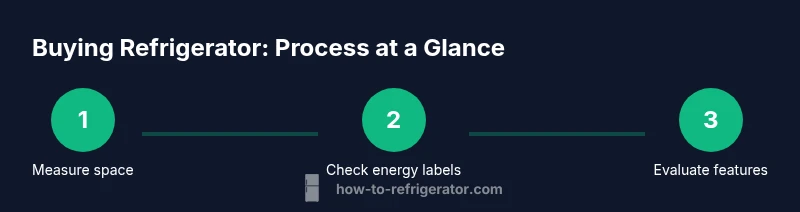
- Measure space and door swing first
- Prioritize energy efficiency and essential features
- Compare models with a consistent checklist
- Plan for delivery, installation, and warranty upfront